HeadPowder, a leading engineering firm based in Shandong, China, specializes in advanced pneumatic conveying solutions for sulfur handling. This article explores the fundamental principles, practical applications, and emerging trends in sulfur pneumatic conveying technology, providing a comprehensive overview for industry professionals.
Principles of Sulfur Pneumatic Conveying
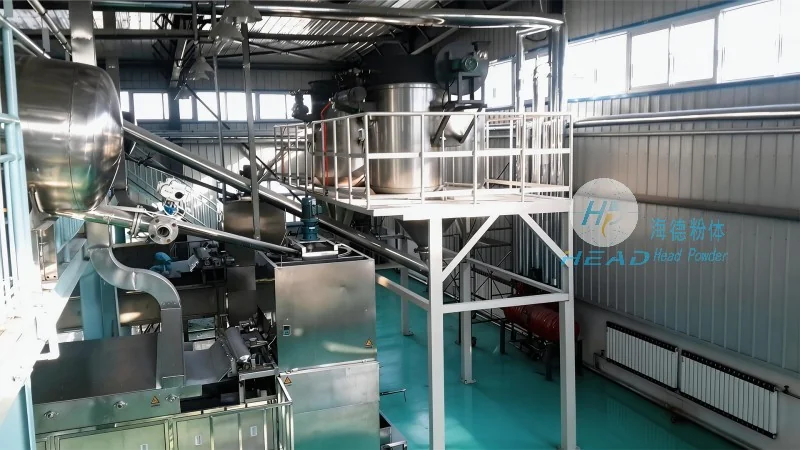
Sulfur pneumatic conveying technology relies on the use of air or gas to transport solid sulfur particles through a pipeline system. The core principle involves creating a pressure differential between the conveying line and the ambient environment, which generates the necessary force to move the sulfur. There are two primary modes of pneumatic conveying: pressure and vacuum systems. Pressure systems operate by compressing air and injecting it into the conveying line, while vacuum systems use a vacuum pump to draw material from the source. The choice between these modes depends on factors such as the distance to be covered, the material characteristics, and the desired flow rate. In sulfur applications, pressure systems are often preferred due to their ability to handle higher particle loads and maintain consistent flow rates, especially for long-distance or high-capacity transport. The conveying process typically involves a hopper or storage silo where sulfur is loaded, a conveyor line with appropriate diameter and material (e.g., stainless steel or special alloys to resist corrosion from sulfur compounds), and a receiver where the sulfur is deposited. The air velocity within the pipeline is critical; it must be sufficient to keep the sulfur particles suspended but not so high as to cause excessive wear or energy consumption. Proper design of the conveying system, including the selection of air flow rate, pipeline diameter, and pressure drop, ensures efficient and reliable transport of sulfur. Additionally, the use of specialized components like rotary valves, airlocks, and filters is essential to maintain system integrity and prevent material degradation or contamination.
Applications in Sulfur Handling
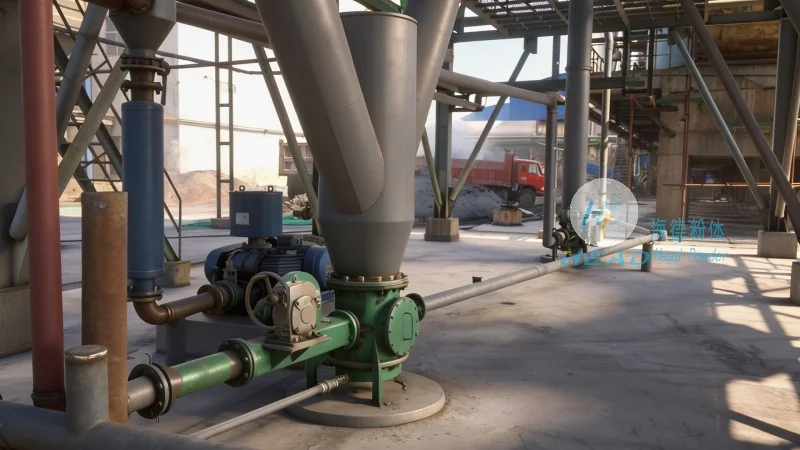
Sulfur pneumatic conveying technology is widely utilized in various industrial sectors that handle sulfur, including chemical manufacturing, fertilizer production, and petrochemical processing. In chemical plants, sulfur is often transported from storage silos to reactors or processing units, where it is used as a raw material for producing sulfuric acid or other sulfur-based compounds. The ability to handle large volumes of sulfur efficiently and safely is crucial in these applications, as it minimizes downtime and ensures consistent supply to production lines. For fertilizer manufacturers, sulfur is a key component in sulfur-based fertilizers, and pneumatic conveying enables the seamless transfer of sulfur from storage to mixing and packaging facilities. This technology also finds application in petrochemical plants, where sulfur is recovered from refinery processes and needs to be transported to storage or further processing units. The flexibility of pneumatic conveying allows for integration with existing plant infrastructure, reducing the need for extensive modifications and capital expenditures. Moreover, the technology is suitable for both bulk and small-scale operations, making it adaptable to a wide range of industrial needs. In addition to industrial applications, sulfur pneumatic conveying is also used in specialized processes such as sulfur recovery from flue gases in power plants, where the technology helps in the efficient collection and transport of sulfur compounds for recycling or disposal. The reliability and efficiency of pneumatic conveying systems make them a preferred choice for handling sulfur in these demanding environments.
Development Trends in Sulfur Pneumatic Conveying
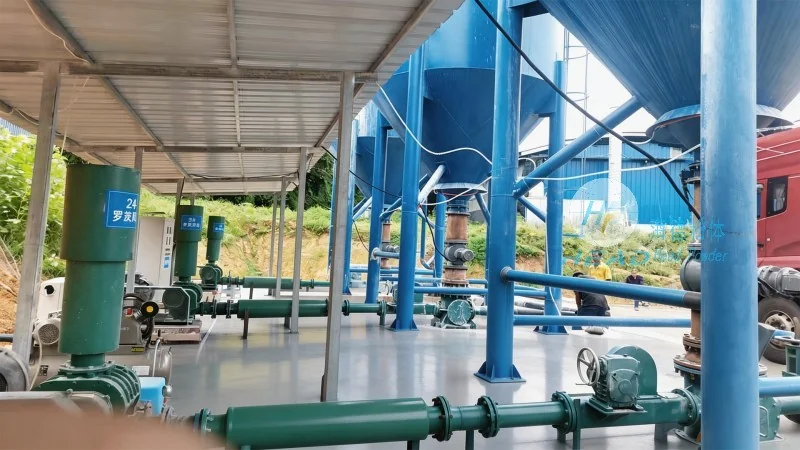
As industrial demands evolve, sulfur pneumatic conveying technology is undergoing continuous advancements to enhance performance, efficiency, and sustainability. One key trend is the adoption of advanced control systems and automation, which improve the precision of material flow and reduce human intervention. Modern systems now incorporate sensors and feedback mechanisms to monitor air pressure, flow rate, and particle concentration in real-time, allowing for dynamic adjustments to optimize conveying efficiency. This not only minimizes energy consumption but also enhances system safety by preventing overloading or blockages. Another significant development is the use of more durable and corrosion-resistant materials in pipeline construction. With sulfur being a corrosive substance, the choice of materials such as high-grade stainless steel or specialized alloys is critical to ensure long-term system integrity and reduce maintenance costs. Innovations in material selection and surface treatments are extending the lifespan of conveying components, making the technology more cost-effective over time. Additionally, there is a growing focus on energy efficiency in pneumatic conveying systems. New designs incorporate optimized air flow patterns and reduced pressure drop, which lower energy consumption without compromising transport capacity. The integration of variable frequency drives (VFDs) in air compressors allows for adjustable air pressure, further reducing energy waste. Furthermore, the trend towards modular and customizable conveying systems is gaining traction. Manufacturers are offering pre-engineered solutions that can be tailored to specific plant requirements, reducing installation time and costs. This modular approach also facilitates easier maintenance and upgrades, enabling plants to adapt to changing production needs. Finally, sustainability considerations are driving advancements in sulfur handling technologies. The development of more efficient systems that minimize material loss and reduce environmental impact is becoming a priority. Research is ongoing to improve the recovery rates of sulfur from industrial processes and to develop greener conveying methods that reduce emissions and energy use. These trends indicate a future where sulfur pneumatic conveying technology will continue to evolve, offering more reliable, efficient, and environmentally friendly solutions for the industry.




