HeadPowder, a leading engineering company based in Shandong, China, specializes in advanced material handling solutions, including pneumatic conveying systems tailored for slag transport applications. This article explores the critical role of pneumatic conveying in efficiently managing slag, a byproduct of industrial processes, and highlights the technical advantages and practical applications of such systems.
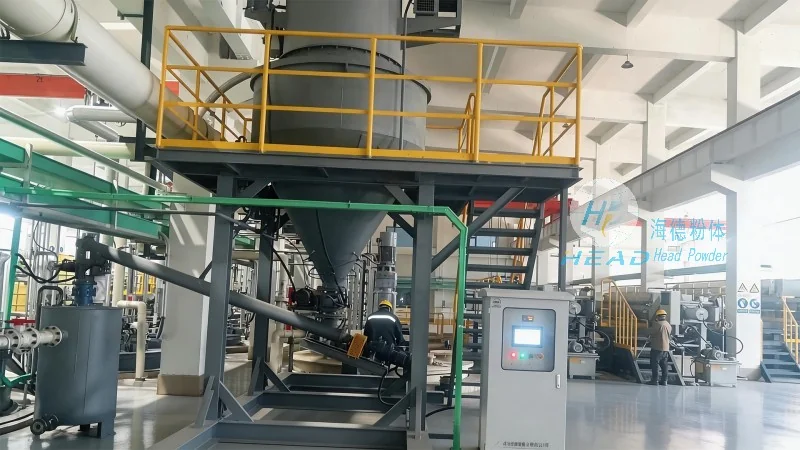
Understanding Pneumatic Conveying for Slag Transport
Pneumatic conveying, also known as air conveying, is a method of transporting bulk materials through a pipeline using pressurized or vacuum air. In the context of slag transport, this technology offers a highly effective solution for moving high-volume, abrasive, or hazardous materials. Slag, typically produced from steelmaking, cement production, or other industrial processes, presents unique challenges in terms of handling, such as its abrasive nature, varying particle sizes, and potential environmental impact. Traditional methods like belt conveyors or bucket elevators may struggle with these characteristics, leading to increased wear and tear, maintenance costs, and operational inefficiencies.
Key Advantages of Pneumatic Conveying in Slag Handling
One of the primary advantages of pneumatic conveying systems for slag transport is their ability to handle abrasive and corrosive materials without significant equipment damage. The enclosed pipeline system minimizes exposure to the environment and reduces the risk of dust contamination, which is crucial for maintaining safety and compliance with environmental regulations. Additionally, pneumatic conveying systems can transport materials over long distances with minimal loss of material quality, ensuring consistent product integrity from the source to the destination. The flexibility of these systems allows for easy integration with existing industrial processes, adapting to varying production rates and operational requirements.
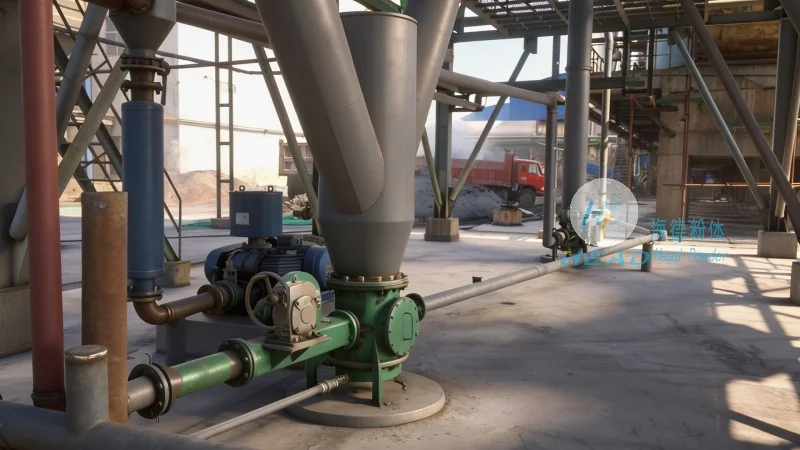
Technical Components and Operational Efficiency
The effectiveness of pneumatic conveying in slag transport relies on several key components, including the conveyor pipeline, air movers (blowers or vacuum pumps), and material feeders. The pipeline design, often made from corrosion-resistant materials like stainless steel or special alloys, is engineered to withstand the abrasive nature of slag particles. Air movers are selected based on the specific characteristics of the slag, such as particle size, density, and moisture content, to ensure optimal air flow and material transport. Material feeders, such as rotary valves or star feeders, control the flow rate of slag into the pipeline, preventing blockages and maintaining consistent operation. Advanced control systems further enhance operational efficiency by monitoring pressure, flow rates, and material levels in real-time, allowing for immediate adjustments to maintain optimal performance.
Application Scenarios and Practical Implementation
HeadPowder's pneumatic conveying solutions for slag transport are applied in various industrial settings, including steel mills, cement plants, and power generation facilities. In steel mills, for example, slag is often transported from the blast furnace to storage or processing facilities, where it can be recycled or disposed of safely. The high-temperature and abrasive nature of steel slag makes pneumatic conveying an ideal choice, as it minimizes the risk of equipment wear and ensures efficient material movement. In cement plants, slag is used as a supplementary cementitious material, and pneumatic conveying systems facilitate its transport from storage silos to the cement production line, maintaining consistent quality and reducing downtime. The flexibility of these systems also allows for the transport of slag to off-site disposal sites or recycling facilities, optimizing the overall material handling process.
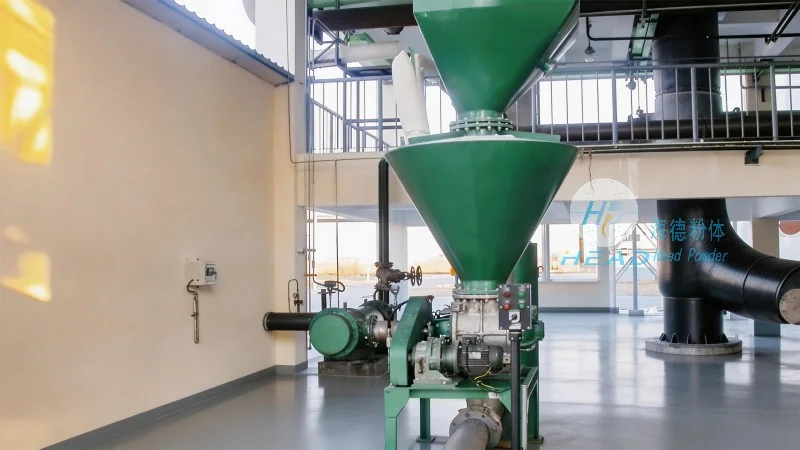
Maintenance and Long-Term Reliability
Ensuring the long-term reliability of pneumatic conveying systems in slag transport requires regular maintenance and proper system design. HeadPowder emphasizes the importance of using high-quality, wear-resistant materials for components like pipelines, valves, and feeders to extend the system's lifespan. Regular inspections and cleaning of the pipeline and air movers help prevent blockages and maintain optimal performance. The use of advanced monitoring systems allows for predictive maintenance, identifying potential issues before they lead to system failures and minimizing downtime. By adhering to these practices, industrial facilities can maximize the operational efficiency and cost-effectiveness of their pneumatic conveying systems for slag transport.
Conclusion
HeadPowder Engineering Co., Ltd., based in Shandong, China, provides comprehensive pneumatic conveying solutions that address the unique challenges of slag transport. By leveraging advanced technology and engineering expertise, these systems offer efficient, reliable, and environmentally friendly methods for handling slag, contributing to improved operational performance and reduced costs for industrial facilities. The company's commitment to quality and customer satisfaction ensures that its pneumatic conveying systems meet the highest standards of performance and durability, making them a trusted choice for slag transport applications worldwide.




