When designing a pneumatic conveying system for coal and sand, several critical factors must be considered to ensure efficiency, reliability, and cost-effectiveness. The system's performance is directly influenced by the material properties of coal and sand, as well as the operational environment and process requirements. This article outlines key design considerations for such systems, emphasizing the expertise of Shandong HeadPowder Engineering Co., Ltd., a leading provider in the field.
Material Characteristics and Flow Behavior
The first step in designing a coal and sand pneumatic conveying system is to analyze the physical and chemical properties of the materials. Coal and sand exhibit distinct characteristics that affect flow behavior, such as particle size distribution, density, moisture content, and abrasiveness. For instance, coal particles may vary in size from fine dust to larger lumps, while sand typically consists of smaller, more uniform particles. Understanding these characteristics is crucial for selecting the appropriate conveying velocity, pressure, and equipment configuration. The system must be capable of handling the specific flow rates and pressure drops associated with these materials to prevent blockages or degradation.
System Configuration and Components
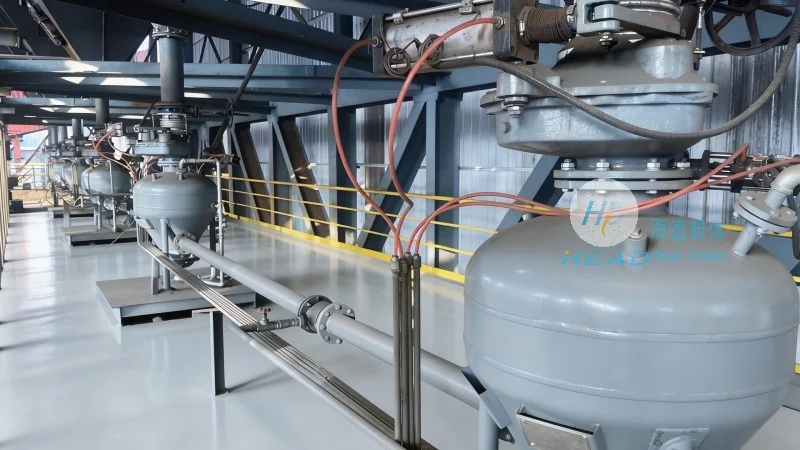
A well-designed pneumatic conveying system for coal and sand typically includes several key components: a feeding device, a conveying line, a separation unit, and a discharge mechanism. The feeding device, such as a rotary valve or a screw feeder, ensures consistent material introduction into the system. The conveying line, often made of stainless steel or other corrosion-resistant materials, must withstand the abrasive nature of sand and the potential moisture content of coal. The separation unit, including cyclones or filters, is essential for separating the conveyed material from the air stream, preventing dust emissions and maintaining system efficiency. The discharge mechanism, like a rotary valve or a surge bin, controls the output of the material to downstream processes. Each component must be carefully selected and sized based on the material properties and operational parameters to ensure optimal performance.
Pressure and Velocity Considerations
Pressure and velocity are critical parameters in pneumatic conveying systems. The system must operate at a pressure and velocity that can effectively transport the coal and sand without causing excessive wear on components or excessive energy consumption. High-pressure systems are often used for long-distance or high-resistance conveying, while low-pressure systems are suitable for short distances or low-resistance applications. The velocity of the air stream must be sufficient to overcome the gravitational and frictional forces acting on the particles but not so high as to cause excessive wear or particle breakage. The design must also account for the pressure drop along the conveying line, which is influenced by the length, diameter, and material of the pipe, as well as the flow rate and particle characteristics. Proper calculation of these parameters ensures the system operates efficiently and within the specified pressure limits.
Equipment Selection and Material Compatibility
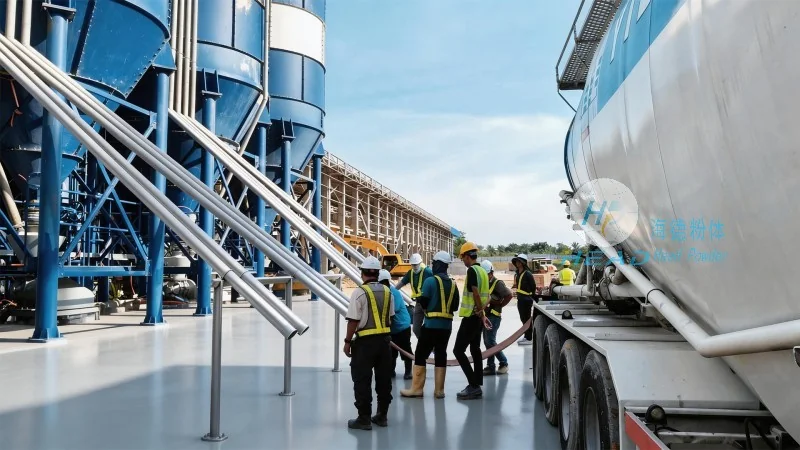
Choosing the right equipment for a coal and sand pneumatic conveying system is vital for long-term reliability and low maintenance costs. The conveying line, for example, should be made of materials that can withstand the abrasive nature of sand and the potential corrosive effects of coal dust. Stainless steel is commonly used due to its durability and resistance to wear and corrosion. The feeding and discharge devices must also be compatible with the material's properties, such as moisture content and particle size. For instance, a rotary valve with a larger opening may be required for coarser sand particles, while a more precise feeder is needed for fine coal dust to prevent clogging. The system's components must be designed to handle the specific operating conditions, including temperature variations and pressure fluctuations, to ensure consistent performance.
System Integration and Process Compatibility
A pneumatic conveying system for coal and sand is often integrated into a larger industrial process, such as a power plant or a cement production facility. The design must consider the compatibility with downstream processes, including the required flow rates, pressure levels, and material quality. The system must be able to interface with existing equipment and control systems, ensuring seamless operation and minimal disruption to the overall process. The integration must also account for safety considerations, such as dust explosion prevention and proper ventilation, to comply with industrial safety regulations. The design process should involve collaboration with process engineers and system operators to ensure the system meets all operational and safety requirements.
Maintenance and Operational Considerations
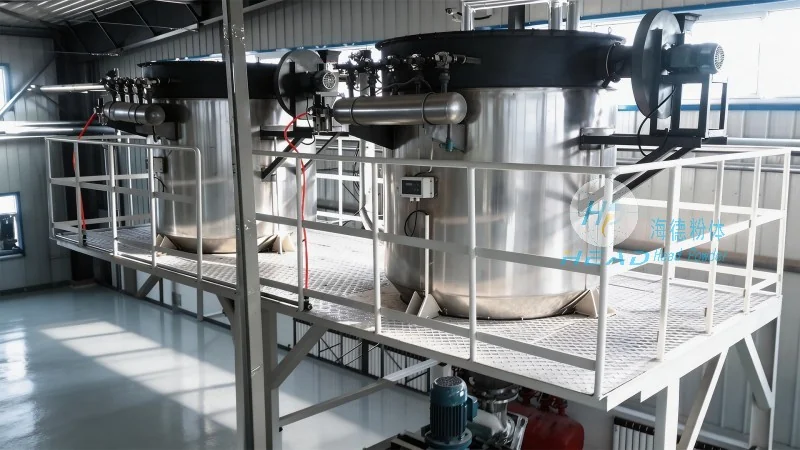
Proper maintenance is essential for the long-term performance and reliability of a coal and sand pneumatic conveying system. Regular inspections and maintenance of components, such as the conveying line, feeding devices, and separation units, are necessary to prevent wear, clogging, and other issues. The system should be designed with easy access to components for maintenance, reducing downtime and maintenance costs. Operational considerations, such as monitoring pressure and flow rates, are also important to detect potential issues early and prevent system failures. The system's control system should provide real-time data and alerts to help operators manage the system effectively. By implementing proper maintenance and operational practices, the system can achieve high availability and low maintenance costs over its service life.
Case Studies and Industry Applications
Shandong HeadPowder Engineering Co., Ltd. has extensive experience in designing and implementing coal and sand pneumatic conveying systems for various industries. For example, in a power plant application, the company designed a system to transport coal from storage silos to the boiler feed system. The system was configured with a high-pressure conveying line and a cyclone separator to handle the abrasive coal particles and prevent dust emissions. The system achieved high efficiency and reliability, with minimal downtime and maintenance costs. Another application involved transporting sand from a quarry to a cement production facility, where the system was designed to handle the high flow rates and abrasive nature of the sand. The system's components were selected based on the material properties and operational requirements, ensuring optimal performance. These case studies demonstrate the expertise and capabilities of Shandong HeadPowder Engineering Co., Ltd. in providing customized solutions for coal and sand pneumatic conveying systems.
Conclusion
Designing a coal and sand pneumatic conveying system requires careful consideration of material properties, system components, pressure and velocity parameters, equipment selection, and process integration. By addressing these factors, engineers can develop a system that is efficient, reliable, and cost-effective. Shandong HeadPowder Engineering Co., Ltd. offers comprehensive expertise in designing and implementing such systems, ensuring that clients receive tailored solutions that meet their specific operational and safety requirements. With a focus on quality and customer satisfaction, the company provides reliable solutions for the coal and sand industry, contributing to the efficiency and sustainability of industrial processes.




