For industries dealing with synthetic rubber, efficient material handling is crucial. Synthetic rubber pneumatic conveying lines offer a reliable solution to transport rubber materials over long distances or within complex production facilities. These systems are designed to handle the unique properties of synthetic rubber, ensuring minimal degradation and consistent quality. The operation process and working principle of such lines are integral to their performance, making them a preferred choice in the rubber processing sector.
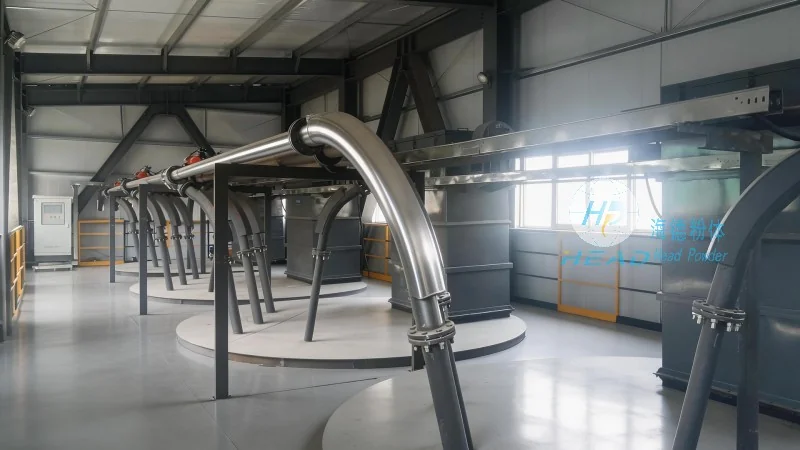
About HeadPowder Engineering Co., Ltd.
HeadPowder, a leading manufacturer based in Shandong, China, specializes in the design, manufacturing, and installation of advanced pneumatic conveying systems. With years of experience in the industry, HeadPowder has developed expertise in handling various materials, including synthetic rubber. The company’s commitment to quality and innovation has made it a trusted partner for businesses seeking efficient and reliable material handling solutions. Located in Shandong, China, HeadPowder leverages its local resources and technical capabilities to deliver high-performance pneumatic conveying lines tailored to specific industrial needs.
Step-by-Step Operation Process of Synthetic Rubber Pneumatic Conveying Lines
The operation of a synthetic rubber pneumatic conveying line involves several key steps that ensure smooth and efficient material transport. The process typically begins with the preparation of the rubber material, which may include drying or conditioning to optimize its properties for conveying. Once prepared, the material is fed into the system using a hopper or feeder, which controls the flow rate to maintain consistent pressure and flow within the line.
Next, the system is activated, and the air compressor starts to generate the necessary pressure. In an aspiration system, the air is drawn through the material, creating a vacuum that pulls the rubber particles into the line. The air and rubber mixture then travels through the pipeline to the destination point, such as a storage silo or processing unit. At the receiving end, a separator or cyclone separates the rubber from the air, allowing the rubber to be discharged while the air is recirculated or vented. The process concludes with the system being shut down, and the rubber being collected from the discharge point.
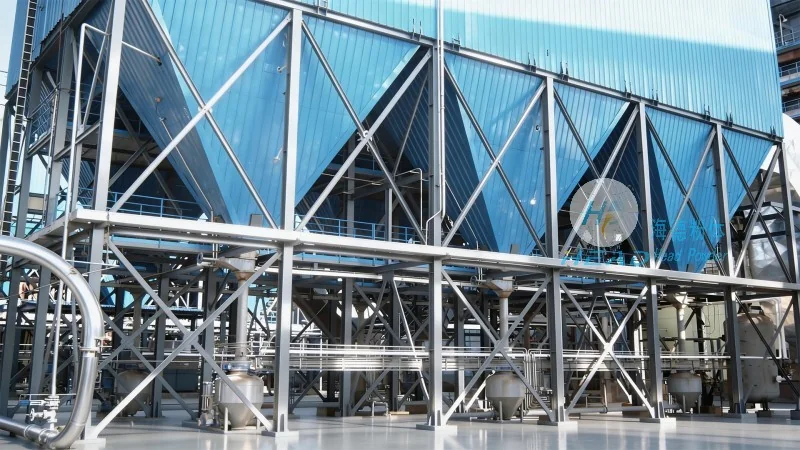
During operation, the system monitors key parameters such as pressure, flow rate, and temperature to ensure optimal performance. Any deviations are detected and corrected in real-time, preventing material blockages or system failures. The use of advanced control systems enhances the reliability and efficiency of the operation, making it suitable for continuous production environments.
Working Principle of Synthetic Rubber Pneumatic Conveying Lines
The working principle of synthetic rubber pneumatic conveying lines is based on the movement of material using a stream of air. There are two primary types of systems: aspiration (or vacuum) systems and pressure systems. Aspiration systems use negative pressure to draw material into the line, while pressure systems use positive pressure to push material through the pipeline.
In an aspiration system, the air compressor creates a vacuum that pulls the rubber particles from the source point into the conveying line. The air flow rate is carefully controlled to maintain a stable velocity, preventing material settling or blockages. The rubber particles are carried by the air stream, and the air-rubber mixture is transported to the destination. At the receiving end, a separator uses centrifugal force to separate the rubber from the air, allowing the rubber to be collected in a hopper or silo.
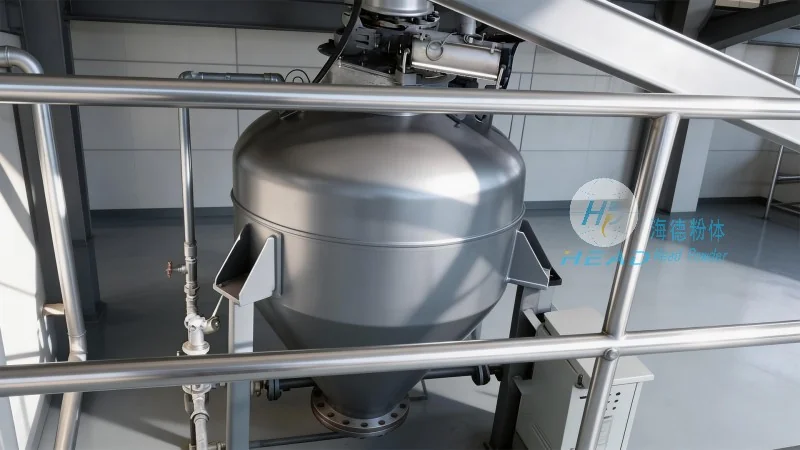
Pressure systems, on the other hand, use positive pressure to push the rubber material through the pipeline. The air compressor supplies compressed air to the line, which is mixed with the rubber particles in a metering device. The mixture is then forced through the pipeline to the destination, where a pressure regulator controls the flow rate. The air is typically recirculated back to the compressor, reducing energy consumption and maintaining system efficiency.
The choice between aspiration and pressure systems depends on factors such as the distance to be covered, the material characteristics, and the system layout. Aspiration systems are ideal for short to medium distances and are less likely to cause material degradation due to lower air speeds. Pressure systems are better suited for longer distances and high-volume applications, as they can handle larger quantities of material with higher air pressures.
Technical Advantages of Synthetic Rubber Pneumatic Conveying Lines
Synthetic rubber pneumatic conveying lines offer several technical advantages over traditional material handling methods. One of the key benefits is the ability to transport material in a closed system, which minimizes dust emissions and protects the material from contamination. This is particularly important for synthetic rubber, which can be sensitive to moisture and environmental factors.
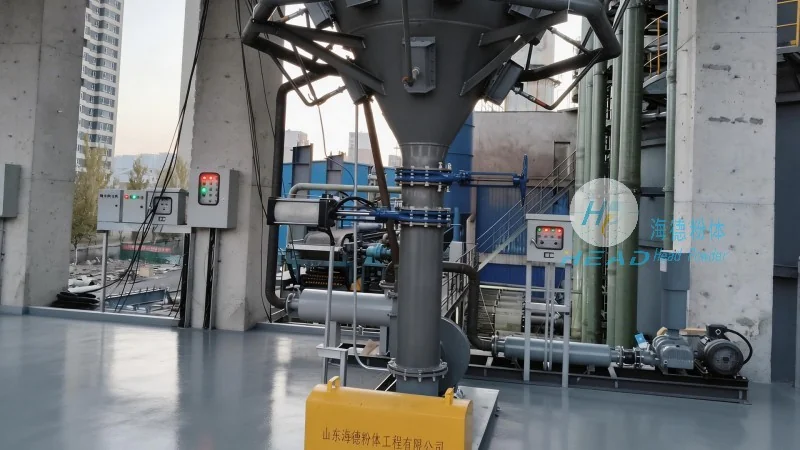
Another advantage is the high efficiency and speed of material transport. Pneumatic conveying systems can move rubber materials at high velocities, reducing the time required for material handling and increasing overall production throughput. The closed system also reduces the risk of material spillage or loss, improving safety and operational efficiency.
The flexibility of pneumatic conveying lines is another significant advantage. These systems can be easily integrated into existing production facilities, and their layout can be adjusted to accommodate changes in production requirements. The use of flexible hoses and adjustable components allows for easy reconfiguration, making them suitable for both new installations and retrofit applications.
Additionally, synthetic rubber pneumatic conveying lines are designed to handle the specific properties of synthetic rubber, such as its density, abrasiveness, and tendency to stick. The materials used in the construction of the pipeline, such as stainless steel or special polymers, are selected to resist corrosion and wear, ensuring long-term durability and reliability.




