The cement industry relies on efficient material handling systems to ensure smooth production processes. Pneumatic conveying systems have become a critical component in transporting raw materials such as limestone, clay, and iron ore to production facilities. These systems utilize air or gas to move bulk materials, offering advantages like reduced dust, improved safety, and enhanced operational flexibility. This article provides an overview of the structure and working principles of cement raw material pneumatic conveying systems, highlighting their key components and operational mechanisms.
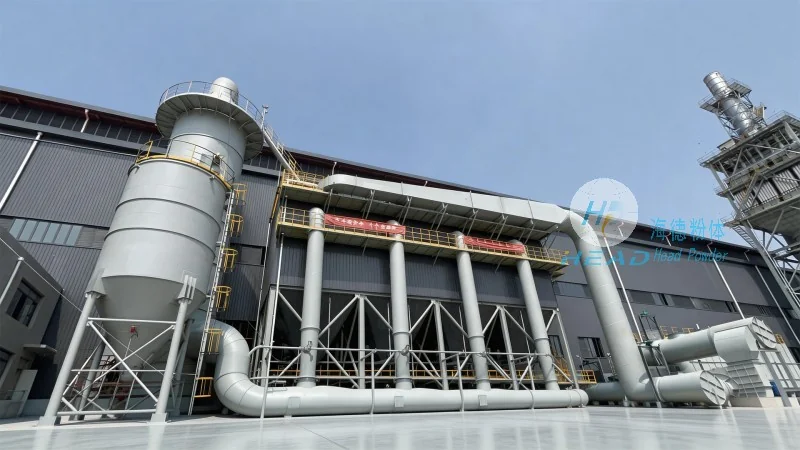
Key Components of Pneumatic Conveying Systems
At the core of a pneumatic conveying system are several essential components that work in tandem to facilitate material transport. The primary components include the material hopper, which stores and feeds the raw materials; the air compressor or blower, which generates the necessary airflow; the conveying line, typically made of metal or plastic pipes, that transports the material; and the receiver or discharge hopper, where the material is deposited. Additionally, control valves, filters, and dust collectors are often integrated to regulate airflow, prevent clogging, and maintain system efficiency. Each component plays a vital role in ensuring the system operates reliably and efficiently.
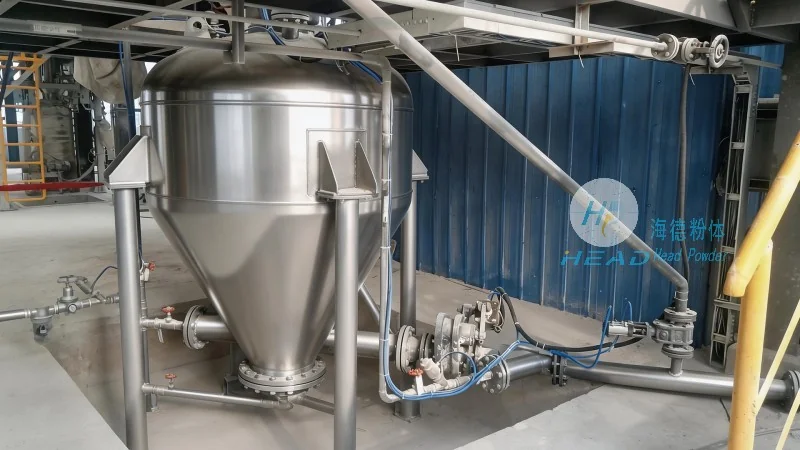
Working Principle of Pneumatic Conveying
The operation of a pneumatic conveying system is based on the principle of using air pressure to move bulk materials. There are two main types of pneumatic conveying systems: pressure and vacuum. In pressure systems, the air compressor pressurizes the conveying line, pushing the material through the pipe. The material is typically fed into the system via a hopper, where it is mixed with the air stream. As the air flows through the pipe, it carries the material particles, transporting them to the discharge point. Vacuum systems, on the other hand, use a vacuum pump to create a negative pressure in the line, drawing the material from the source into the system. Both systems rely on the velocity of the air stream to maintain material suspension and prevent clogging. The choice between pressure and vacuum systems depends on factors such as the distance to be covered, the material properties, and the required flow rate.
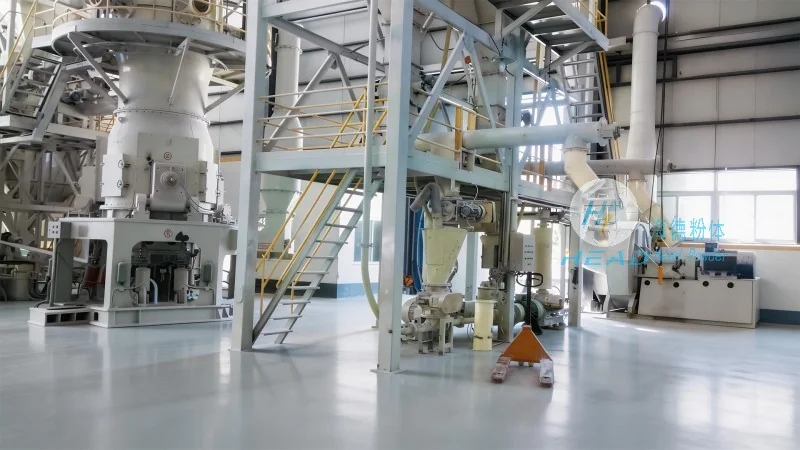
Advantages of Pneumatic Conveying in Cement Production
Pneumatic conveying systems offer several advantages that make them ideal for cement raw material handling. One of the most significant benefits is the reduction of dust and airborne particles, which improves workplace safety and environmental compliance. Unlike mechanical systems, which may generate high levels of dust, pneumatic systems keep materials contained within the pipes, minimizing exposure risks. Additionally, these systems provide better control over material flow, allowing for precise regulation of feed rates and preventing overloading or underloading of equipment. The flexibility of pneumatic conveying also enables easy integration with existing production lines, reducing the need for extensive modifications. Furthermore, the systems are relatively compact and can be installed in various configurations, making them suitable for both new and retrofit applications.
Application in Cement Manufacturing
In cement manufacturing, pneumatic conveying systems are widely used to transport raw materials from storage silos or quarries to the grinding and mixing stages. For example, limestone, the primary raw material, is often extracted from quarries and conveyed to the plant via pneumatic systems. The material is then ground into a fine powder and mixed with other components like clay and iron ore to form clinker. The efficiency of the conveying system directly impacts the overall production capacity and quality of the final cement product. By ensuring consistent and reliable material delivery, pneumatic systems help maintain optimal operating conditions in the production process.
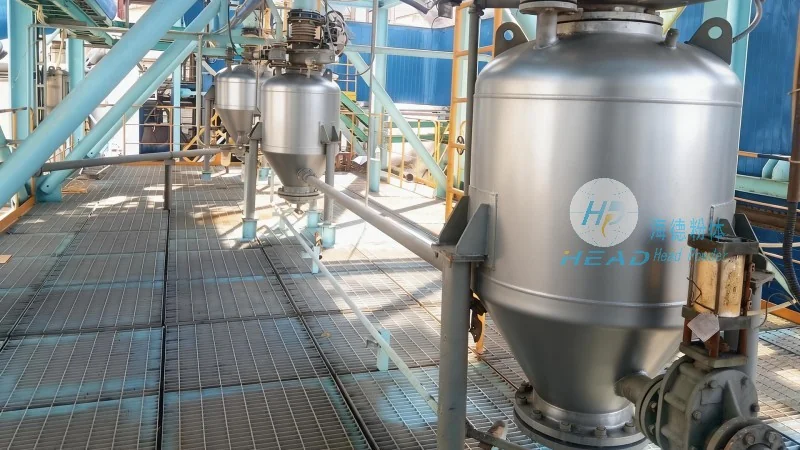
Operational Considerations and Maintenance
While pneumatic conveying systems offer numerous benefits, proper operation and maintenance are crucial to maximize their efficiency and lifespan. Regular maintenance includes checking the air compressor for proper pressure and airflow, inspecting the conveying lines for leaks or blockages, and cleaning the filters and dust collectors to prevent clogging. Material properties, such as moisture content and particle size, can affect system performance, and adjustments may be needed to maintain optimal operation. Additionally, monitoring the system's pressure and flow rates helps identify potential issues early, allowing for timely repairs. Proper training of operators on system operation and maintenance procedures is also essential to ensure safe and efficient operation.




