HeadPowder, a leading provider of industrial conveying solutions, specializes in dust pneumatic conveying systems. These systems are essential for efficiently transporting bulk materials like powders and granules in various industrial applications. The following overview delves into the fundamental structure and operational principles of such systems, highlighting their design and functionality.
Understanding Dust Pneumatic Conveying Systems
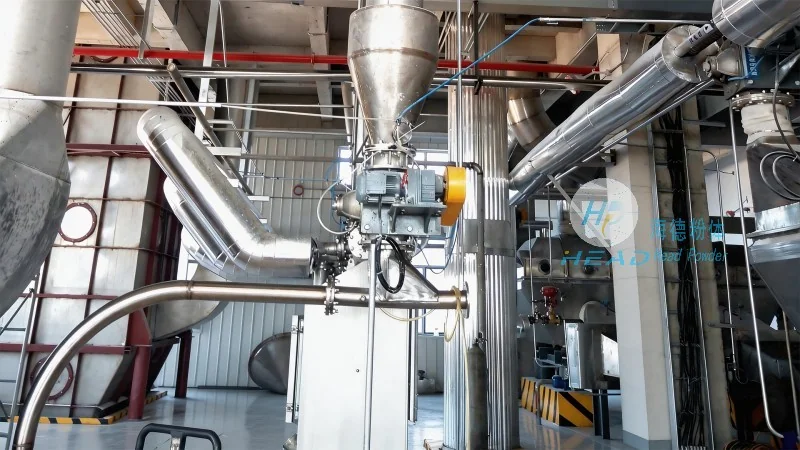
Dust pneumatic conveying systems utilize air or gas as the primary medium to transport particulate materials. Unlike mechanical conveyors, which rely on physical components like belts or screws, pneumatic systems offer flexibility and efficiency in handling fine or abrasive materials. The core components of a typical dust pneumatic conveying system include a material feed hopper, a conveying line (often equipped with bends and straight sections), a dust separator or filter, and a material discharge outlet. Each component plays a critical role in ensuring the system operates smoothly and effectively.
Key Structural Components and Their Functions
The material feed hopper is the entry point for the bulk material. It is designed to store and meter the material into the conveying line, preventing blockages and ensuring a consistent flow rate. The conveying line, typically made of metal or plastic, is the main pathway for the material and air mixture. It may include various fittings, such as elbows, tees, and straight sections, to direct the flow and accommodate changes in direction or elevation. The dust separator or filter is a crucial component that separates the material from the air, allowing the air to be recirculated or discharged while capturing the dust particles. This separation process is vital for maintaining air quality and preventing material loss. Finally, the material discharge outlet is where the conveyed material is collected, often in a receiving bin or container.
Working Principles of Pneumatic Conveying
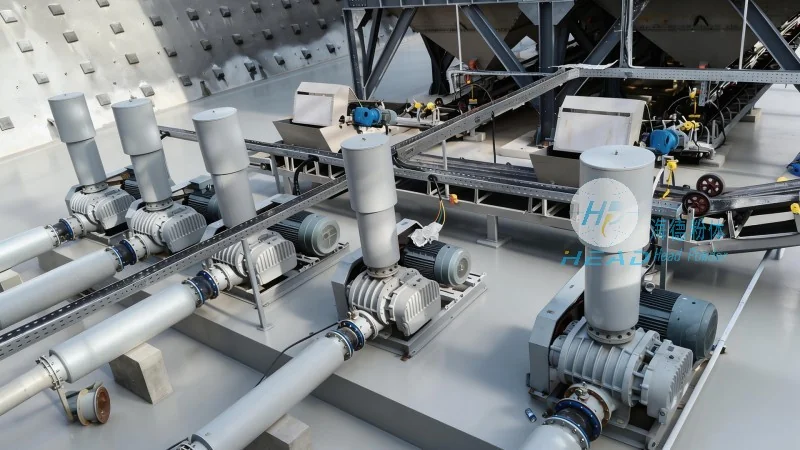
The operation of a dust pneumatic conveying system involves several key steps. First, the material is fed into the hopper, where it is metered and introduced into the conveying line. Simultaneously, a fan or blower generates a flow of air within the system, creating a pressure differential that propels the material forward. The air and material mixture travels through the conveying line, with the air providing the necessary force to move the particles. At the receiving end, the dust separator separates the material from the air, and the material is collected in the discharge outlet. The air, now filtered of dust, may be recirculated back into the system or vented to the atmosphere, depending on the system design and environmental requirements.
Advantages of Dust Pneumatic Conveying Systems
Compared to traditional mechanical conveyors, dust pneumatic conveying systems offer several advantages. They are ideal for handling fine, dusty, or abrasive materials that would be difficult to transport using mechanical means. The systems are also flexible, as they can be easily reconfigured or expanded to accommodate changes in production needs. Additionally, pneumatic systems can transport materials over longer distances and at higher speeds, improving overall operational efficiency. Another key advantage is the ability to handle multiple materials in a single system, as different materials can be conveyed through separate lines or by adjusting the air flow and pressure.
Applications in Industrial Settings
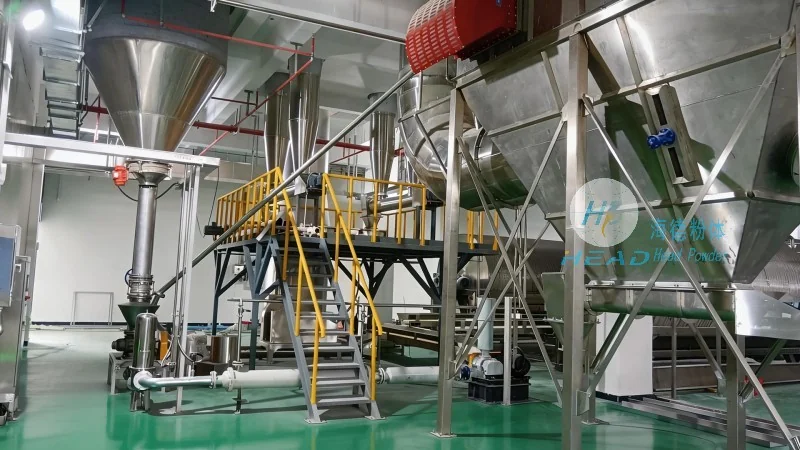
Dust pneumatic conveying systems are widely used in various industrial sectors, including pharmaceuticals, food processing, chemical manufacturing, and mining. In the pharmaceutical industry, these systems are used to transport fine powders and granules, ensuring a clean and hygienic environment. In food processing, they are employed to handle ingredients like flour, sugar, and spices, maintaining product quality and preventing contamination. Chemical manufacturers utilize pneumatic systems to transport abrasive or hazardous materials, while mining operations use them to convey ore and other bulk materials from processing plants to storage facilities. The versatility and efficiency of these systems make them a preferred choice in many industrial applications.
Company Overview: Shandong HeadPowder Engineering Co., Ltd.
HeadPowder, with its headquarters in Shandong, China, is a reputable company specializing in the design, manufacturing, and installation of dust pneumatic conveying systems. The company has a strong commitment to providing high-quality, reliable solutions tailored to the specific needs of its clients. With years of experience in the industry, HeadPowder has developed a deep understanding of material handling challenges and has developed innovative solutions to address them. The company’s team of experts works closely with clients to assess their requirements, design custom systems, and ensure successful implementation. HeadPowder’s products are known for their durability, efficiency, and compliance with industry standards, making them a trusted partner for businesses seeking effective material conveying solutions.




