For industries dealing with mineral powders and granular materials, efficient and reliable material handling is crucial. This article provides an in-depth look at mineral particle pneumatic conveying systems, focusing on their structural design and operational principles. The system, developed by Shandong HeadPowder Engineering Co., Ltd. (commonly known as HeadPowder), is engineered to meet the demands of various industrial applications, ensuring safe, efficient, and cost-effective material transport.
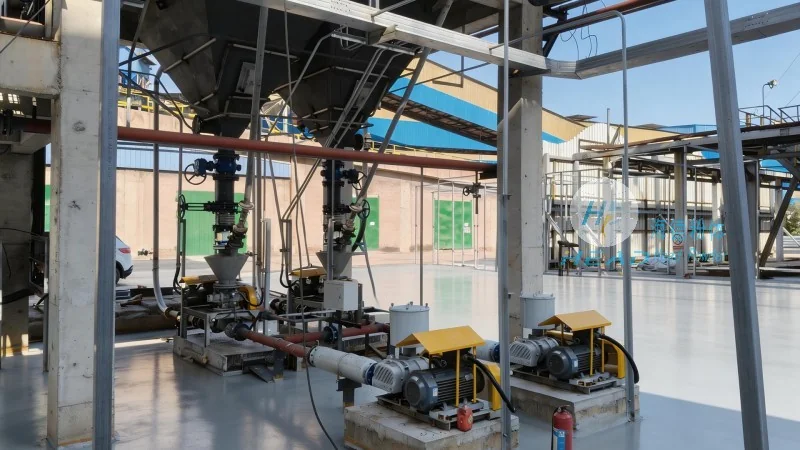
System Overview and Core Components
The mineral particle pneumatic conveying system is a sophisticated piece of equipment designed to transport bulk materials through a pipeline using air or other gas as the conveying medium. At the heart of this system are several key components that work in tandem to achieve seamless material transfer. These components include the material feed hopper, the air compressor or blower, the conveying pipeline, the control valves, and the discharge unit. Each component plays a vital role in the overall functionality of the system, ensuring that mineral particles are moved from the source to the destination without interruption or loss.
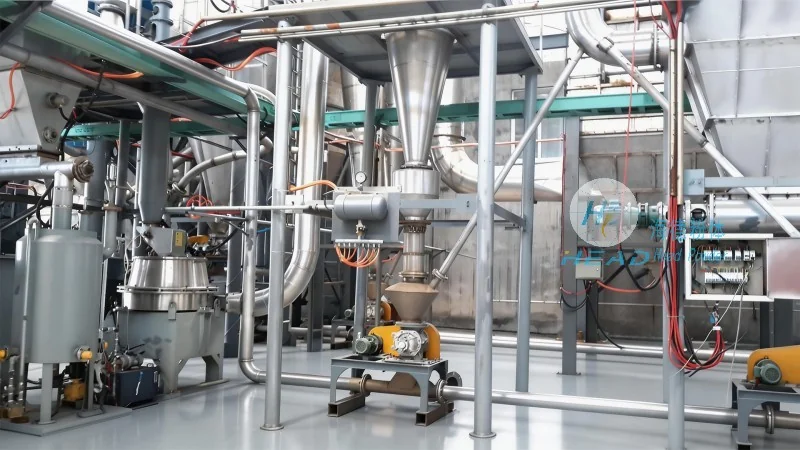
Structural Design and Material Handling Capabilities
The structural design of the HeadPowder pneumatic conveying system is tailored to handle a wide range of mineral particles, including powders, granules, and fine materials. The feed hopper is designed with a sloped bottom and a material discharge valve, which allows for controlled feeding of the material into the system. This design minimizes material bridging and ensures a consistent flow rate, which is critical for maintaining system efficiency. The air compressor or blower provides the necessary pressure and airflow to move the material through the pipeline. The conveying pipeline is typically made of corrosion-resistant materials such as stainless steel or PVC, which are suitable for handling various mineral types and preventing material degradation or contamination.
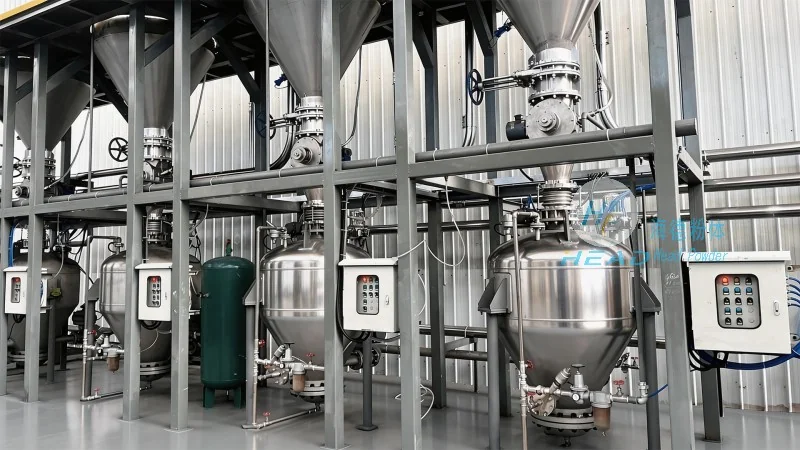
Working Principles and Operational Efficiency
The working principle of the pneumatic conveying system is based on the principle of fluidization and suspension. When air is introduced into the pipeline at a high velocity, it creates a low-pressure zone that draws the mineral particles into the air stream. The particles are then suspended in the air and transported to the discharge point. The system operates under either positive pressure (pressure conveying) or negative pressure (vacuum conveying), depending on the application requirements. Positive pressure systems are commonly used for long-distance or high-capacity transport, while negative pressure systems are suitable for short-distance or low-volume applications. The control valves in the system allow for precise regulation of airflow and pressure, ensuring optimal performance and preventing system overload or damage.
Advantages and Applications in Industrial Settings
Mineral particle pneumatic conveying systems offer several advantages over traditional material handling methods, such as belt conveyors or bucket elevators. These advantages include high transport efficiency, minimal material degradation, and the ability to handle materials that are difficult to transport using other methods. The system is particularly suitable for transporting materials that are dusty, corrosive, or have a tendency to clog other equipment. Industries that benefit from this technology include mining, chemical processing, food processing, and pharmaceutical manufacturing. The HeadPowder system has been successfully implemented in various applications, including the transport of coal, cement, flour, and other mineral powders, demonstrating its versatility and reliability.
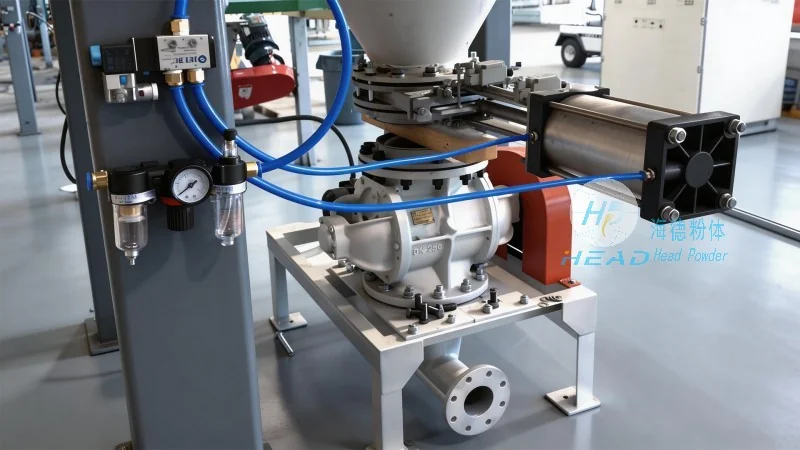
Maintenance and Operational Considerations
To ensure the long-term performance and reliability of the pneumatic conveying system, regular maintenance is essential. This includes checking the air compressor or blower for proper operation, inspecting the conveying pipeline for leaks or blockages, and cleaning the feed hopper and discharge unit to prevent material buildup. The system should also be operated within the recommended pressure and flow rate ranges to avoid damage to components. Proper training of operators is also crucial to ensure safe and efficient operation of the system. By following these maintenance and operational guidelines, users can maximize the lifespan of the equipment and minimize downtime.




