

Introduction to the Structure and Working Principle of a Calcium Carbonate Powder Pneumatic Conveyin
Calcium carbonate powder is a widely used material in various industrial applications, such as papermaking, plastics, and coatings. The efficient and reliable transportation of this fine powder is crucial for maintaining production efficiency and product quality. This article provides an overview of a pneumatic conveying system designed specifically for calcium carbonate powder, including its structural components and operational principles.
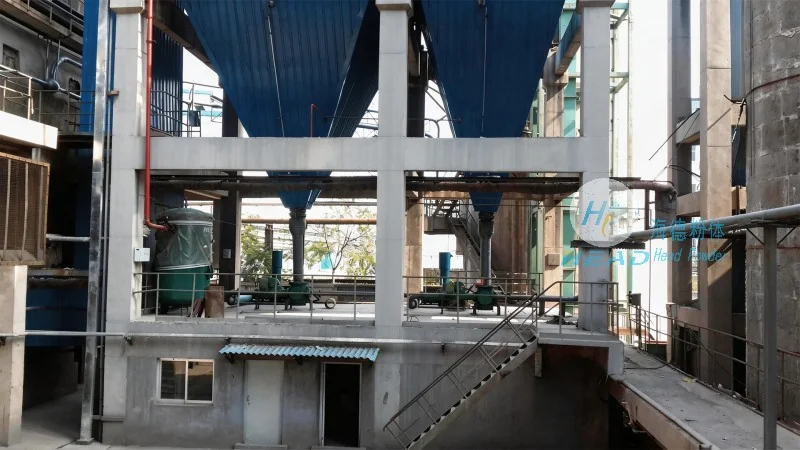
Overview of the Pneumatic Conveying System
The pneumatic conveying system for calcium carbonate powder is engineered to handle the unique challenges associated with transporting fine, dry powders. It operates by using compressed air to move the powder from a source, such as a storage silo or a processing unit, to the destination, like a mixer or a packaging machine. This method eliminates the need for mechanical components that might cause contamination or wear, making it ideal for applications where product purity is paramount.
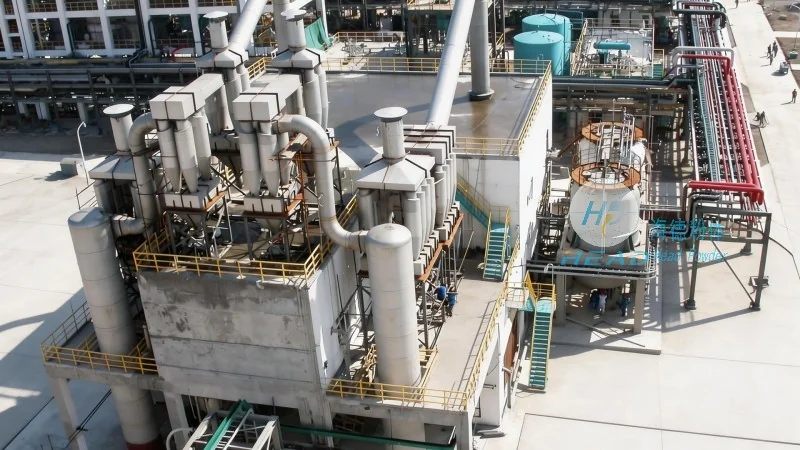
Key Structural Components
The system consists of several critical components that work in tandem to ensure smooth and efficient operation. These include:
- Feed Hopper: A container that holds the calcium carbonate powder and feeds it into the conveying line. It is equipped with a metering device to control the flow rate, ensuring consistent material delivery.
- Conveying Pipe: The main channel through which the powder and air mixture travels. The pipe is typically made of stainless steel or other corrosion-resistant materials to prevent contamination and ensure durability.
- Air Supply Unit: This component generates and regulates the compressed air needed to move the powder. It includes a compressor, air filter, and pressure regulator to maintain optimal operating conditions.
- Receiver Tank: The destination vessel where the powder is deposited after being conveyed. It is designed to handle the incoming flow and may include a dust collection system to prevent environmental contamination.
- Control System: An automated system that monitors and controls the entire process, including flow rates, pressure, and air consumption. This ensures the system operates efficiently and safely.
Working Principle
The operation of the pneumatic conveying system involves several steps. First, the calcium carbonate powder is fed from the hopper into the conveying pipe. Simultaneously, compressed air is introduced into the pipe, creating a flow that lifts and transports the powder particles. The air-powder mixture travels through the pipe to the receiver tank, where the air is separated from the powder. The air is then discharged, and the powder is collected in the receiver tank. The control system continuously adjusts the air flow and feed rate to maintain a stable and efficient conveying process.
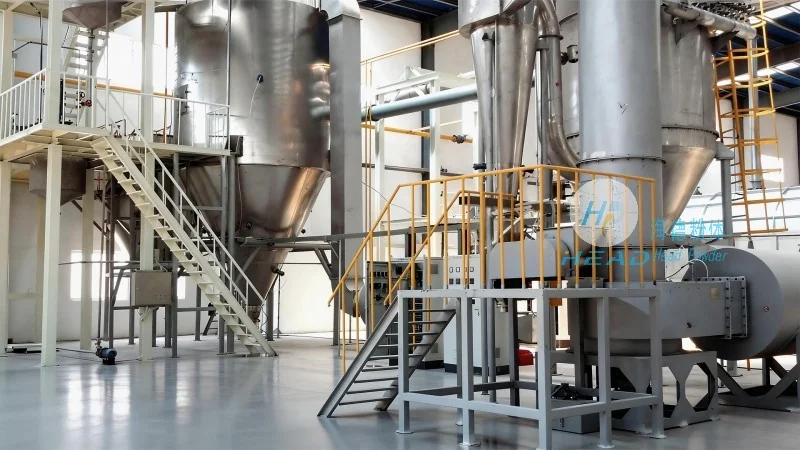
About Shandong HeadPowder Engineering Co., Ltd.
Shandong HeadPowder Engineering Co., Ltd., commonly known as HeadPowder, is a leading manufacturer of pneumatic conveying systems and related equipment. With a strong focus on innovation and quality, the company has established itself as a trusted partner in the industry. HeadPowder specializes in designing and manufacturing systems tailored to the specific needs of various industries, including those that handle calcium carbonate powder. The company's headquarters is located in Shandong, China, where it operates its research and development facilities, manufacturing plants, and customer support centers.