The Carboxymethyl Cellulose (CMC) Pneumatic Conveying System is a specialized industrial solution designed for the efficient handling and transportation of CMC powder. As a key component in various industries, CMC is widely used in pharmaceuticals, food processing, and chemical manufacturing. The system leverages pneumatic technology to transport CMC powder from storage to processing units, ensuring a clean, dust-free, and efficient operation. This article provides an overview of the system's structure and operational principles, highlighting its advantages and practical applications.
Key Components of the Pneumatic Conveying System
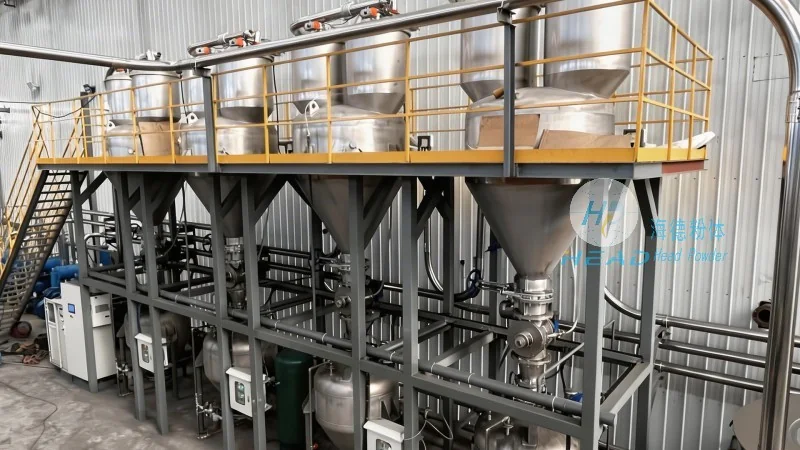
The CMC pneumatic conveying system consists of several critical components that work in tandem to achieve reliable material transport. The primary components include the hopper for material storage, a rotary valve for controlled discharge, a conveying pipeline network, a blower or air compressor to generate the necessary airflow, and a dust collector to manage airborne particles. Each component plays a vital role in maintaining system efficiency and safety. The hopper is designed to hold a substantial quantity of CMC powder, ensuring a steady supply for continuous operation. The rotary valve regulates the flow of powder from the hopper into the pipeline, preventing backflow and maintaining consistent material feed. The conveying pipeline, typically made of stainless steel or other corrosion-resistant materials, is engineered to withstand the abrasive nature of CMC powder and the pressure of the air flow. The blower or air compressor provides the motive force, creating a pressure differential that propels the powder through the pipeline. Finally, the dust collector captures any fine particles that may escape, ensuring compliance with environmental regulations and maintaining a clean working environment.
Structural Principles and Operational Mechanism
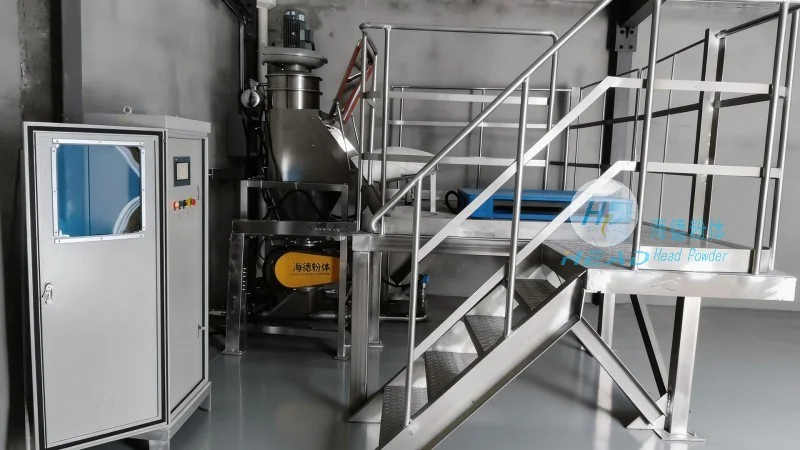
The operational principle of the CMC pneumatic conveying system is based on the creation of a pressure differential between the conveying line and the ambient environment. The system can operate in either positive or negative pressure modes, depending on the specific application requirements. In positive pressure systems, the blower forces air into the pipeline, carrying the CMC powder along with it. The powder is suspended in the air stream and transported to the destination point. In negative pressure systems, the blower draws air out of the pipeline, creating a vacuum that pulls the powder from the hopper. Both modes rely on the same fundamental physics: the air flow provides the kinetic energy needed to move the powder particles. The system's design ensures that the velocity of the air stream is sufficient to keep the powder in suspension, preventing clogging and ensuring smooth transport. The pipeline layout is carefully planned to minimize bends and changes in direction, as sharp turns can cause particle separation and system inefficiencies. Additionally, the system incorporates check valves and filters to prevent material buildup and maintain consistent airflow, enhancing overall performance and reliability.
Advantages of the Carboxymethyl Cellulose Pneumatic Conveying System
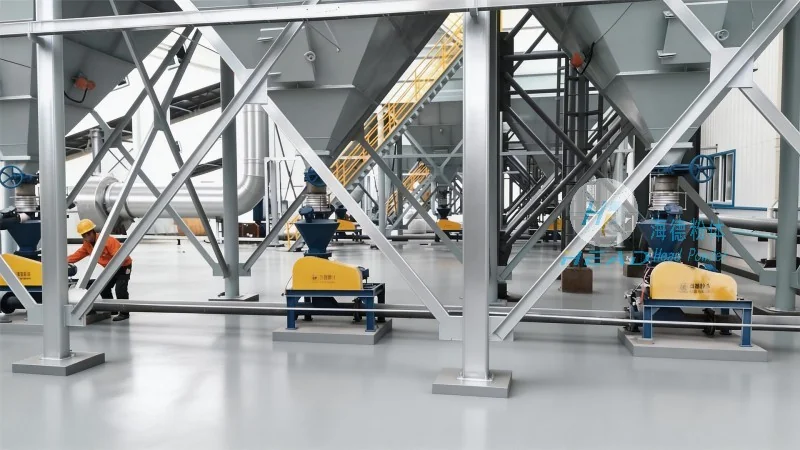
Implementing a CMC pneumatic conveying system offers several significant advantages over traditional mechanical conveying methods. One of the most notable benefits is the ability to transport CMC powder in a dust-free environment, which is crucial for maintaining product quality and ensuring workplace safety. Unlike mechanical systems that may generate dust and cause contamination, the pneumatic system encloses the material transport process, reducing the risk of product degradation and cross-contamination. Another advantage is the system's flexibility in handling varying material flow rates and distances. The air flow can be adjusted to accommodate different quantities of CMC powder, making it suitable for both small-scale and large-scale operations. The system also allows for easy integration with existing processing lines, as the conveying pipeline can be customized to fit the plant layout. Furthermore, the pneumatic system reduces labor costs associated with manual handling and material transfer, as the process is automated and requires minimal human intervention. Overall, the CMC pneumatic conveying system provides a cost-effective and efficient solution for CMC powder transportation, enhancing productivity and operational efficiency in industrial settings.
Applications and Industry Impact
The CMC pneumatic conveying system finds wide application in industries where CMC is a critical raw material. In the pharmaceutical industry, the system is used to transport CMC powder to manufacturing lines, ensuring that the material is handled hygienically and free from contaminants. This is essential for producing high-quality pharmaceutical products that meet stringent regulatory standards. In the food processing industry, the system is employed to convey CMC used as a thickening agent or stabilizer in various food products. The dust-free operation of the system helps maintain food safety and quality, preventing the introduction of foreign particles or bacteria. In the chemical manufacturing sector, the system is utilized for transporting CMC used in the production of adhesives, coatings, and other chemical products. The ability to handle abrasive and fine powders makes the system particularly suitable for these applications. By providing a reliable and efficient means of CMC powder transport, the system contributes to improved production efficiency and product consistency across various industries. The system's design and operational principles align with industry standards, ensuring that it meets the demands of modern manufacturing processes.
Conclusion and Future Developments
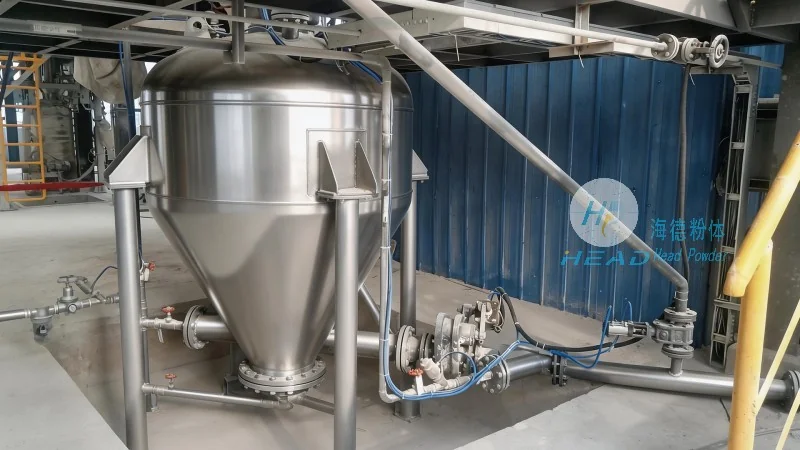
In conclusion, the Carboxymethyl Cellulose Pneumatic Conveying System is a sophisticated and effective solution for the transportation of CMC powder. Its structural design and operational principles ensure reliable, dust-free, and efficient material handling, making it an essential component in industries that rely on CMC as a key raw material. The system's advantages, including improved product quality, enhanced safety, and increased operational efficiency, make it a preferred choice over traditional conveying methods. As industrial demands continue to evolve, the system may undergo further developments, such as advanced control systems and energy-efficient designs, to meet the growing needs of the market. The continued innovation in pneumatic conveying technology will likely lead to even more efficient and sustainable solutions for CMC powder transportation, further solidifying its role in modern industrial operations.




