Calcined ash pneumatic conveying lines are critical components in industrial processing, designed to efficiently transport calcined ash from one location to another. The system combines advanced engineering principles with robust material handling capabilities, ensuring reliable and continuous operation in various industrial applications. This article provides a detailed overview of the operation process and working principles of such systems, highlighting key components, operational steps, and the technical advantages they offer.
Key Components of the Pneumatic Conveying System
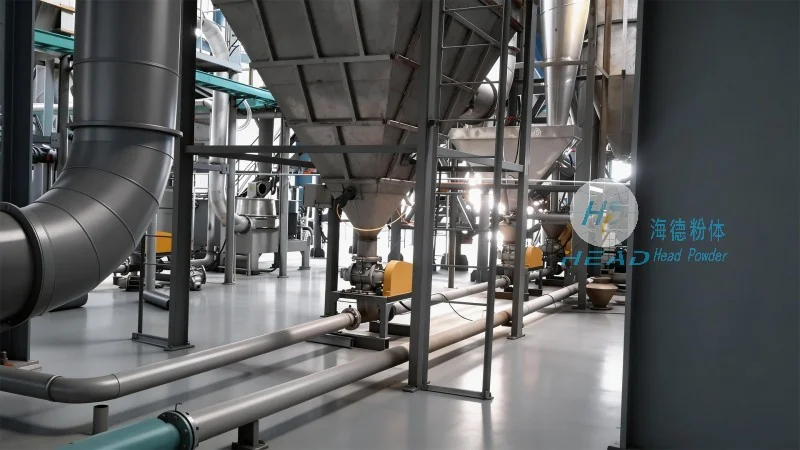
The calcined ash pneumatic conveying line typically consists of several essential components that work in tandem to achieve efficient material transport. These include the ash feed hopper, which stores and feeds the calcined ash into the system; the air compressor or blower, which generates the necessary air pressure to move the material; the conveying pipeline, which transports the ash through the system; and the discharge hopper or collection unit, where the material is deposited. Additionally, components like check valves, filters, and pressure regulators are often integrated to ensure smooth operation and prevent system failures.
Working Principle of the System
The operation of the calcined ash pneumatic conveying line is based on the principle of pneumatic transport, where air is used as the conveying medium to move the solid material. The process begins with the ash being fed from the hopper into the pipeline. The air compressor then supplies high-pressure air into the pipeline, creating a flow that lifts and propels the ash particles forward. As the air and ash mixture travels through the pipeline, it passes through various sections, including bends and transitions, which are designed to maintain the flow without causing blockages or material loss. The system uses a combination of positive pressure (pressure conveying) or negative pressure (vacuum conveying) to move the material, depending on the specific application and system design. The discharge hopper collects the ash as it is transported, ensuring that the material is delivered to its intended destination without any loss or contamination.
Operation Process Step-by-Step
The operation of the calcined ash pneumatic conveying line follows a systematic process that ensures consistent and reliable performance. The steps involved are as follows:
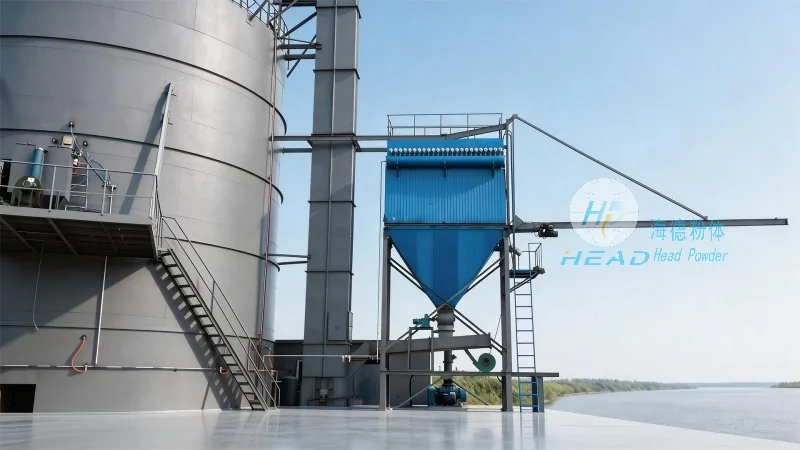
1. **Material Loading**: The calcined ash is loaded into the feed hopper from the source, such as a storage silo or processing unit. The hopper is equipped with a feeder mechanism, such as a rotary valve or screw feeder, which controls the flow rate of the ash into the system.
2. **Air Supply Initiation**: The air compressor is started, and the system is pressurized to the required level. The pressure is monitored to ensure it remains within the optimal range for efficient conveying.
3. **Conveying Start**: Once the air pressure is stable, the feeder mechanism is activated, allowing the ash to enter the pipeline. The air and ash mixture is then propelled forward by the high-pressure air, moving through the pipeline to the discharge point.
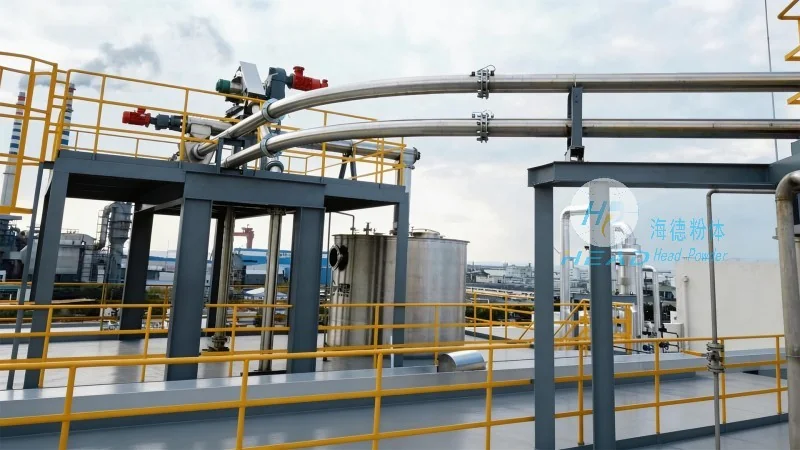
4. **System Monitoring**: Throughout the operation, the system is continuously monitored for pressure, flow rate, and any signs of blockage or air leakage. Sensors and control systems are used to adjust the air pressure or feeder speed as needed to maintain optimal performance.
5. **Material Discharge**: At the discharge hopper, the ash is collected and transferred to the next processing stage or storage location. The system continues to operate until the feed hopper is empty or the required amount of ash has been transported.
Technical Advantages and Applications
Calcined ash pneumatic conveying lines offer several technical advantages that make them suitable for various industrial applications. These include high efficiency in material transport, reduced labor costs due to automated operation, and minimal material loss or contamination. The system is particularly effective for transporting fine or powdery materials like calcined ash, which are prone to dust and clogging in traditional conveying methods. Additionally, the system can be customized to handle different ash types, particle sizes, and flow rates, making it versatile for various industrial processes. Common applications include power plants, cement factories, and waste management facilities, where calcined ash is a byproduct that needs to be transported to storage or further processing units.




