Operation Process and Working Principle of Aluminum Foil Pneumatic Conveying Lines
Release time:2026-09-20 08:01:34
name of the company:Shandong Headpowder Engineering Co., Ltd.
telephone:156-6277-7102
contacts:Zhang manager
Aluminum foil pneumatic conveying lines are advanced industrial systems designed to transport aluminum foil materials efficiently and safely. These systems are widely used in various manufacturing processes, particularly in the production of aluminum foil products. The technology behind these lines combines pneumatic principles with specialized equipment to ensure smooth material handling, minimizing the risk of damage and contamination. As a key component in modern material handling, aluminum foil pneumatic conveying lines offer significant advantages in terms of speed, reliability, and operational flexibility.
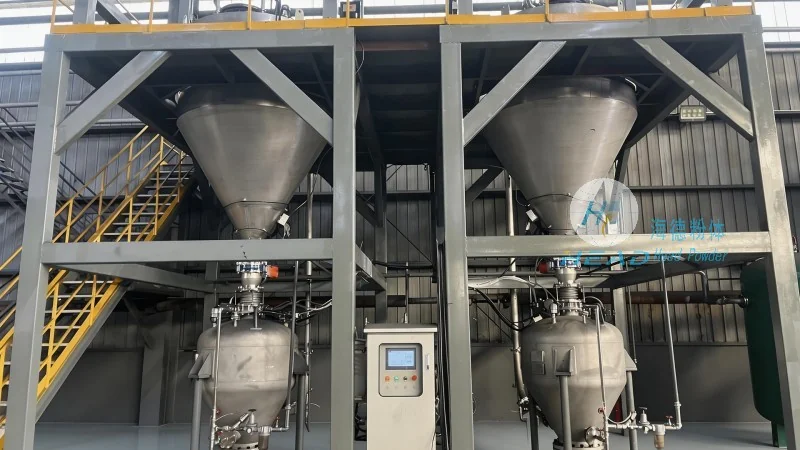
Working Principle of Aluminum Foil Pneumatic Conveying Lines
The core working principle of aluminum foil pneumatic conveying lines revolves around the use of air pressure to move materials through a sealed pipeline system. The process typically involves a few key components: a material hopper, a feeder, a conveying line, and a discharge unit. The material is first loaded into the hopper, where it is then fed into the conveying line by a feeder mechanism. As the feeder operates, compressed air is introduced into the line, creating a flow that propels the aluminum foil particles forward. The air pressure and velocity are carefully controlled to ensure that the material moves without excessive friction or breakage. This pneumatic action allows for the continuous and unidirectional transport of aluminum foil from the source to the destination point.
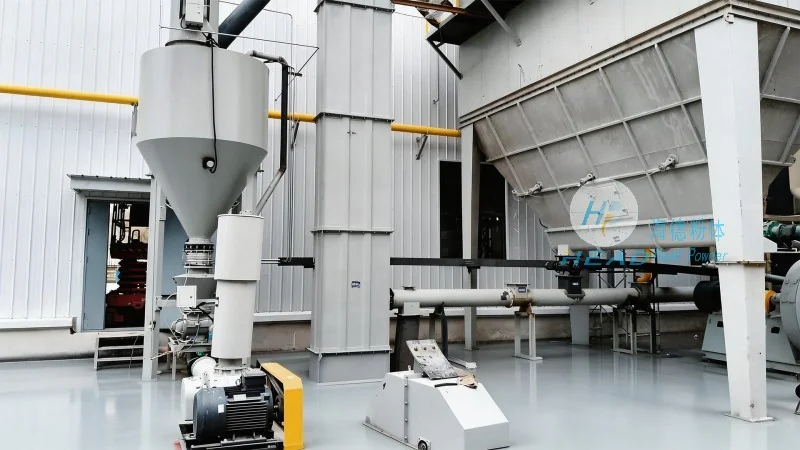
Step-by-Step Operation Process of Aluminum Foil Pneumatic Conveying Lines
The operation of aluminum foil pneumatic conveying lines follows a systematic sequence of steps that ensure optimal performance and material integrity. The process begins with the loading of aluminum foil into the material hopper. The hopper is designed to hold a sufficient quantity of material to maintain a steady flow during operation. Once the hopper is filled, the feeder mechanism activates, drawing the aluminum foil from the hopper and feeding it into the conveying line. The feeder typically uses a rotary or vibratory action to control the rate of material discharge, which is crucial for maintaining consistent air flow and preventing blockages. As the feeder operates, compressed air is supplied to the conveying line. The air pressure is regulated to a level that is sufficient to move the aluminum foil particles without causing them to be damaged or deformed. The air flow then carries the aluminum foil through the pipeline, guiding it to the discharge unit. The discharge unit, often located at the end of the conveying line, may include a filter or separator to remove any air bubbles or debris before the aluminum foil is released into the next stage of the production process. Throughout the operation, sensors and control systems monitor the air pressure, flow rate, and material level to ensure that the system operates within safe and efficient parameters.
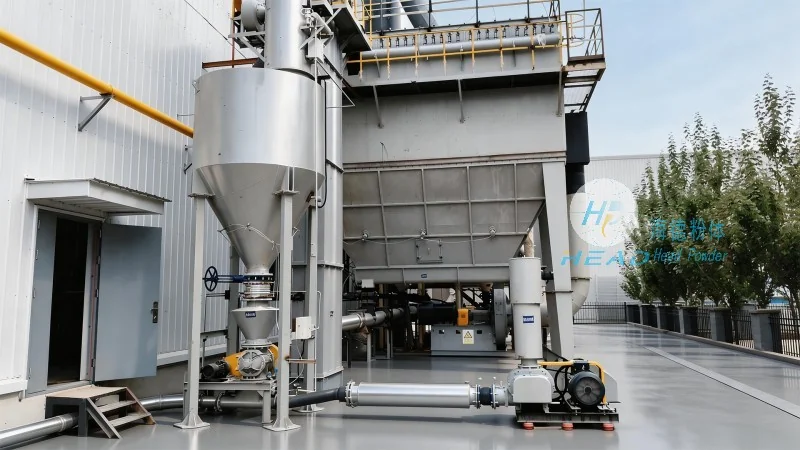
Key Components and Their Functions in Aluminum Foil Pneumatic Conveying Lines
Several critical components work in tandem to ensure the smooth operation of aluminum foil pneumatic conveying lines. The material hopper serves as the storage container for the aluminum foil, providing a stable and controlled environment for material loading. The feeder is responsible for regulating the flow of material into the conveying line, ensuring that the air flow is not disrupted by excessive or insufficient material discharge. The conveying line itself is a sealed pipeline system, typically made of durable materials such as stainless steel or high-grade plastic, to prevent contamination and maintain the integrity of the aluminum foil. The compressed air system supplies the necessary pressure and volume of air to move the material through the line. The air compressor and associated controls regulate the air pressure, ensuring it remains within the optimal range for efficient conveying. The discharge unit, including filters and separators, ensures that the material is delivered in a clean and uncontaminated state. Additionally, control systems and sensors are integrated into the design to monitor and adjust the operation in real-time, enhancing the overall reliability and performance of the system.




