Understanding the operation process and working principle of ceramic pneumatic conveying lines is crucial for optimizing material handling in industrial settings. These systems are designed to efficiently transport ceramic powders and granules, ensuring minimal product degradation and consistent performance. As a leading manufacturer, Shandong HeadPowder Engineering Co., Ltd. specializes in providing high-quality solutions tailored to the unique needs of the ceramic industry.
Introduction to Ceramic Pneumatic Conveying Lines
Ceramic pneumatic conveying lines are sophisticated systems used to transport ceramic materials such as clay, feldspar, and other powders or granules from one location to another within a production facility. These systems utilize air pressure or vacuum to move materials through a network of pipes, eliminating the need for mechanical components like belts or buckets. The design of these lines is critical to ensure efficient material flow while maintaining product quality and preventing contamination.
Key Components of Ceramic Pneumatic Conveying Systems
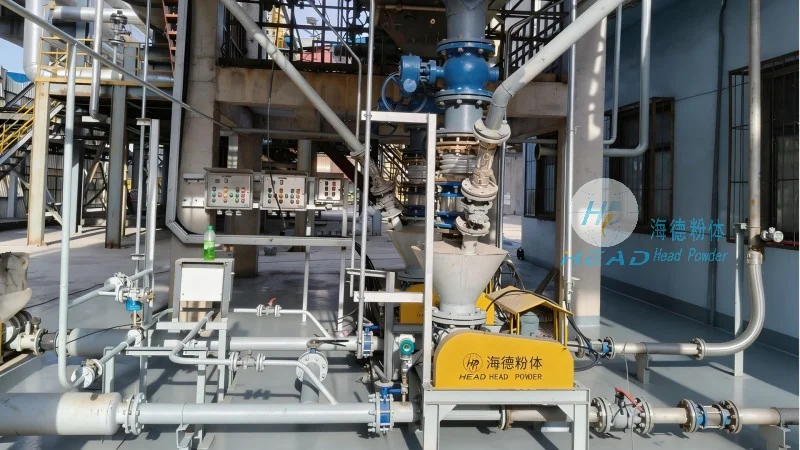
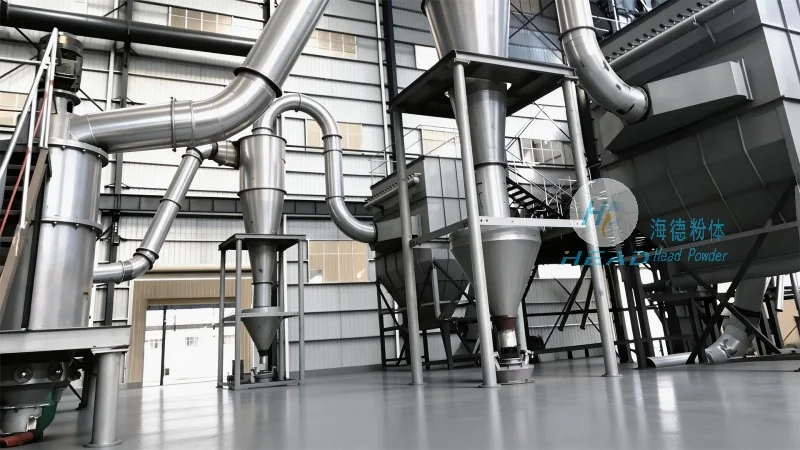
Effective ceramic pneumatic conveying lines consist of several key components that work in tandem to achieve optimal performance. The primary components include the material feed hopper, which holds the ceramic material and regulates its flow into the system; the air compressor or vacuum pump, which provides the necessary pressure or suction to move the material; the conveying pipes, which form the main transport path; and the control valves and regulators, which manage the air flow and pressure. Additionally, filters and cyclones are often incorporated to separate the conveyed material from the air, ensuring clean operation and preventing dust accumulation in the system.
The Working Principle of Ceramic Pneumatic Conveying
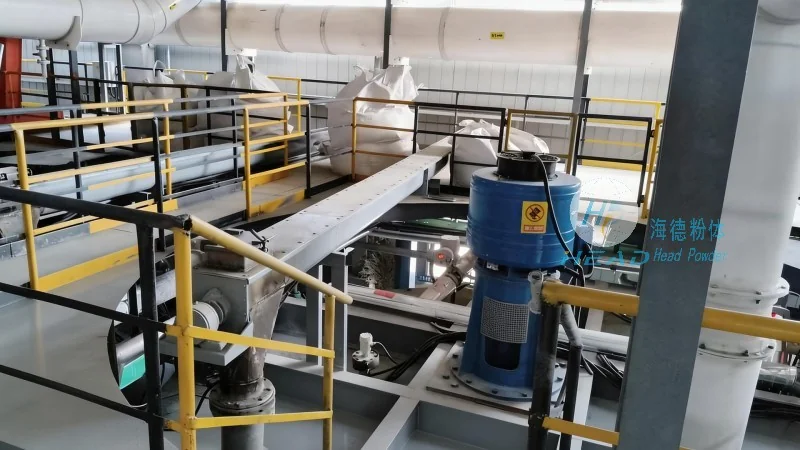
The working principle of ceramic pneumatic conveying lines is based on the fundamental physics of fluid dynamics. In a pressure system, air is compressed and forced through the conveying pipes, creating a high-velocity air stream that entrains the ceramic particles. The particles are carried along with the air until they reach the discharge point, where the air is separated from the material and the ceramic is deposited. In a vacuum system, the opposite occurs: a vacuum pump creates a low-pressure environment that draws the material into the pipes, where it is then transported to the destination. The choice between pressure and vacuum systems depends on factors such as the material's properties, the distance to be covered, and the required flow rate.
Operation Process of Ceramic Pneumatic Conveying Lines
The operation process of ceramic pneumatic conveying lines involves several sequential steps to ensure smooth and efficient material transport. First, the ceramic material is loaded into the feed hopper, where it is stored and prepared for transport. The material is then fed into the conveying line at a controlled rate, typically using a rotary valve or feeder. Next, the air compressor or vacuum pump is activated, providing the necessary pressure or suction to move the material through the pipes. The material is carried along by the air stream, and as it travels, it may encounter bends, elbows, or other components that help direct its path. At the discharge point, the material is deposited into a collection bin or processing equipment. Finally, the system is monitored and controlled to maintain consistent performance, with adjustments made as needed to optimize flow rates and prevent system failures.
Benefits of Using Ceramic Pneumatic Conveying Lines
Implementing ceramic pneumatic conveying lines offers numerous benefits for industrial operations. These systems provide a clean and dust-free method of material transport, reducing the risk of contamination and improving product quality. Additionally, they are highly efficient, with minimal energy consumption compared to traditional mechanical systems. The flexibility of pneumatic conveying allows for easy integration into existing production lines, and the ability to handle a wide range of ceramic materials makes these systems versatile and adaptable. Furthermore, the absence of mechanical parts reduces maintenance requirements and extends the lifespan of the equipment, resulting in lower operational costs over time.
Applications in the Ceramic Industry
Ceramic pneumatic conveying lines are widely used in various applications within the ceramic industry. They are commonly employed in the production of ceramics, tiles, and sanitaryware, where the transport of raw materials and finished products is essential. These systems are also used in the manufacturing of refractory materials, where high-temperature resistance and durability are critical. Additionally, they are utilized in the processing of ceramic powders for applications such as coatings and composites, where precise material handling is required to maintain product consistency.
Conclusion
Ceramic pneumatic conveying lines are essential components in modern industrial operations, providing efficient and reliable transport of ceramic materials. With their advanced design and robust construction, these systems offer significant advantages over traditional material handling methods. By understanding the operation process and working principle of these lines, manufacturers can optimize their production processes, improve product quality, and reduce operational costs. As a leading provider of ceramic pneumatic conveying solutions, Shandong HeadPowder Engineering Co., Ltd. continues to innovate and deliver high-quality systems that meet the evolving needs of the ceramic industry.




