Operation Process and Working Principle of ABS Granule Pneumatic Conveying Equipment
Release time:2026-09-20 07:01:38
name of the company:Shandong Headpowder Engineering Co., Ltd.
telephone:156-6277-7102
contacts:Zhang manager
HeadPowder, a leading manufacturer based in Shandong, China, specializes in the design, production, and supply of advanced pneumatic conveying systems for various industrial applications. This article provides a detailed overview of the operation process and working principle of an ABS granule pneumatic conveying equipment, highlighting its key components, operational flow, and technical advantages.
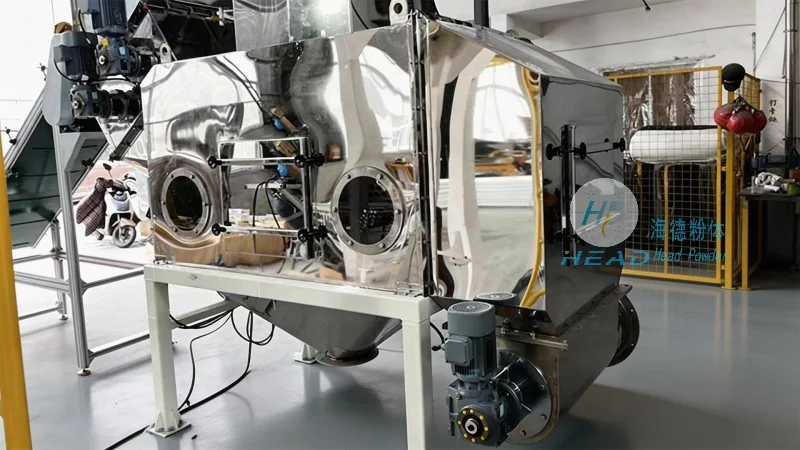
Overview of ABS Granule Pneumatic Conveying Equipment
ABS granule pneumatic conveying equipment is a specialized system engineered to transport ABS (Acrylonitrile Butadiene Styrene) granules efficiently and safely. ABS is a widely used thermoplastic polymer in the manufacturing of consumer products, automotive parts, and electronic components. The equipment is designed to handle the unique properties of ABS granules, such as their size, density, and flow characteristics, ensuring reliable material transfer in industrial settings.
Key Components of the Pneumatic Conveying System
The ABS granule pneumatic conveying system consists of several critical components that work in tandem to achieve effective material transport. These components include:
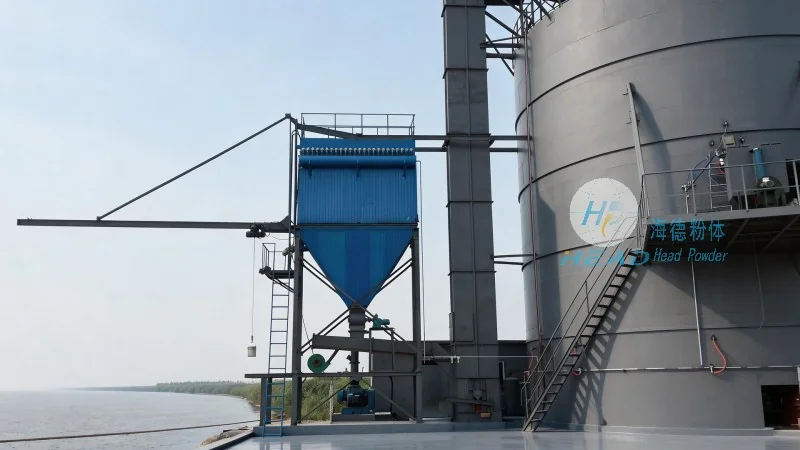
- Material Hopper: A storage container that holds the ABS granules before they are fed into the system. The hopper is equipped with a feeder mechanism to control the flow rate of the material.
- Feeder: A device that regulates the discharge of ABS granules from the hopper. Common types include rotary valves, screw feeders, or vibratory feeders, which ensure a consistent and controlled feed rate.
- Pneumatic Conveying Line: A pipeline system that transports the ABS granules using compressed air. The line is typically made of stainless steel or other corrosion-resistant materials to handle the chemical properties of ABS.
- Compressor: A device that generates the compressed air required to move the material through the conveying line. The compressor is designed to deliver sufficient pressure and volume to overcome the resistance in the pipeline.
- Control System: An automated system that monitors and controls the operation of the conveying equipment. It includes sensors for pressure, flow rate, and material level, as well as control panels to adjust settings and prevent malfunctions.
- Receiving Hopper: A container that collects the ABS granules at the destination point. It is designed to handle the incoming material and may include a discharge mechanism for further processing.
Operation Process of the Pneumatic Conveying Equipment
The operation of the ABS granule pneumatic conveying equipment follows a systematic process to ensure efficient material transfer. The steps involved are as follows:
- Material Loading: The ABS granules are loaded into the material hopper from a bulk storage container. The hopper is typically equipped with a lid to prevent contamination and dust emission.
- Feeder Activation: The feeder mechanism is activated to start the flow of ABS granules from the hopper into the pneumatic conveying line. The feeder controls the discharge rate based on the system's requirements.
- Compressed Air Supply: The compressor generates compressed air, which is directed into the conveying line. The air pressure is adjusted to match the material's flow characteristics and the pipeline length.
- Material Transport: The compressed air pushes the ABS granules through the conveying line. The air velocity and pressure are maintained at optimal levels to prevent material degradation and ensure smooth transport.
- Delivery to Destination: The ABS granules are transported to the receiving hopper at the destination point. The receiving hopper collects the material and may be equipped with a discharge valve for further processing or packaging.
- System Shutdown: Once the material transfer is complete, the feeder and compressor are shut down. The control system monitors the system for any residual material or pressure, ensuring safe and proper shutdown.
Working Principle of the Pneumatic Conveying System
The working principle of the ABS granule pneumatic conveying equipment is based on the principles of fluid dynamics and particle transport. The system utilizes compressed air to create a flow of material through the conveying line. The key principles involved are:
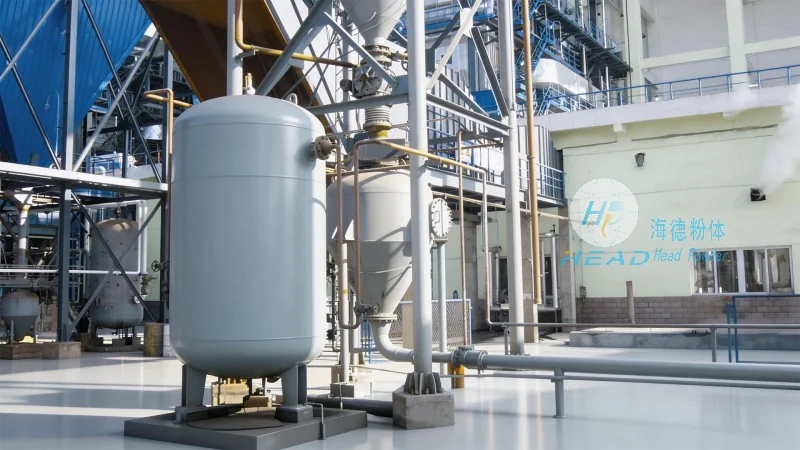
- Drag Conveying: This is the primary method used in pneumatic conveying systems. The compressed air flows through the conveying line, creating a drag force on the ABS granules. This force lifts and moves the particles along the pipeline.
- Pressure Drop and Flow Rate: The pressure drop along the conveying line is a critical factor in determining the flow rate of the material. The system is designed to maintain an appropriate pressure drop to ensure efficient transport without excessive energy consumption.
- Particle Size and Density: The size and density of the ABS granules affect the conveying performance. Larger or denser particles may require higher air velocities and pressures to achieve effective transport. The system is optimized to handle the specific characteristics of ABS granules.
- System Efficiency: The working principle emphasizes energy efficiency by minimizing pressure losses and optimizing the air-to-material ratio. This ensures that the system operates at peak performance while reducing operational costs.
Technical Advantages of ABS Granule Pneumatic Conveying Equipment
The ABS granule pneumatic conveying equipment offers several technical advantages that make it a preferred choice for industrial applications:
- Continuous and Uninterrupted Transport: The system allows for continuous material transfer without the need for manual intervention, reducing downtime and increasing productivity.
- Low Maintenance Requirements: The design of the equipment minimizes moving parts, reducing the risk of wear and tear and lowering maintenance costs.
- Hygienic and Clean Operation: The stainless steel construction and enclosed system prevent contamination and dust emission, making it suitable for applications where material purity is critical.
- Flexibility in Layout: The pneumatic conveying line can be installed in various configurations, allowing for flexible layout designs to accommodate different plant layouts and space constraints.
- Energy Efficiency: The system is designed to operate efficiently, with optimized air-to-material ratios and minimal pressure losses, resulting in lower energy consumption and reduced operational costs.
Conclusion
HeadPowder's ABS granule pneumatic conveying equipment is a reliable and efficient solution for transporting ABS granules in industrial settings. The system's advanced design, combined with its robust components and optimized operation process, ensures high performance, low maintenance, and energy efficiency. By understanding the operation process and working principle of this equipment, industrial users can make informed decisions about integrating such systems into their production lines, enhancing overall operational efficiency and productivity.




