Molybdenum trioxide (MoO₃) is a critical industrial material widely used in various high-tech applications, including catalysts, pigments, and electronic components. The efficient and reliable transport of MoO₃ is essential for maintaining production efficiency and product quality. Pneumatic conveying systems have emerged as a preferred method for handling this material due to their ability to minimize dust exposure, reduce material degradation, and enhance operational safety. This article provides an in-depth overview of the operation process and working principle of molybdenum trioxide pneumatic conveying equipment, highlighting key components, operational steps, and the technical advantages of such systems.
Working Principle of Pneumatic Conveying Systems
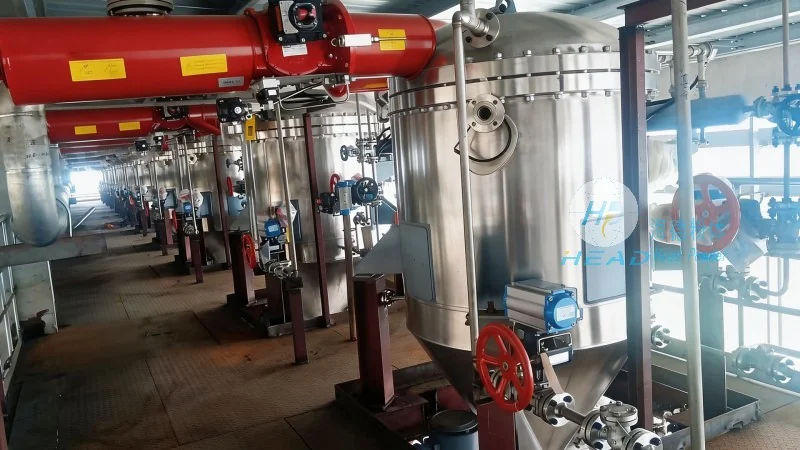
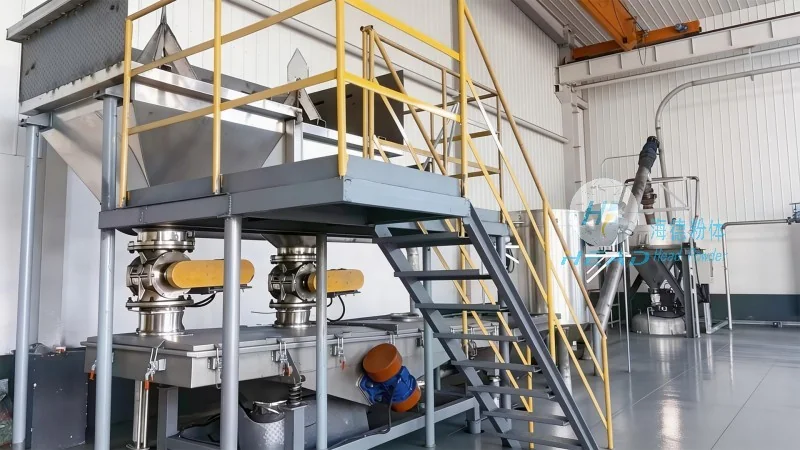
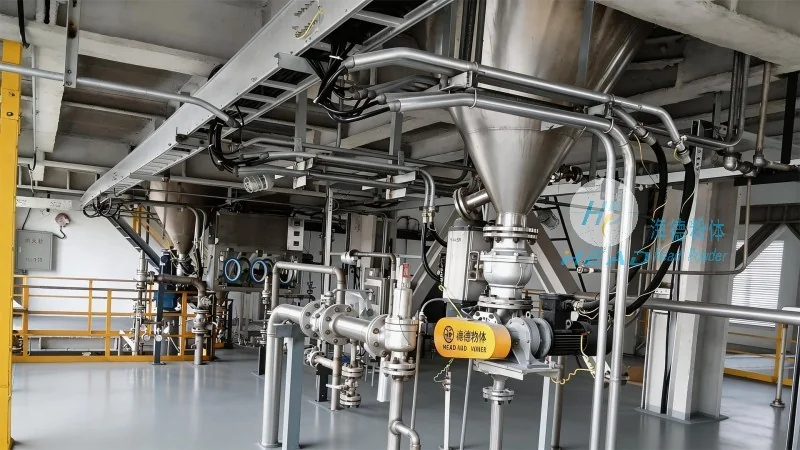
The working principle of molybdenum trioxide pneumatic conveying systems is based on the fundamental physics of fluid dynamics and particle transport. The system operates by creating a high-velocity air stream within the conveying line, which entrains the MoO₃ particles and transports them from the source to the destination. The key components of the system include a material hopper, a rotary airlock valve, a positive displacement blower or compressor, a conveying pipeline, and a receiving hopper equipped with a dust filter. The rotary airlock valve is a critical component that controls the flow of MoO₃ from the hopper into the conveying line, preventing backflow and ensuring a consistent feed rate. The blower or compressor generates the necessary pressure and airflow to move the material through the pipeline. The conveying line is typically made of stainless steel or other corrosion-resistant materials to withstand the abrasive nature of MoO₃ and the effects of compressed air. The receiving hopper is designed with a filter system to capture any fine particles and prevent them from being released into the environment, ensuring compliance with environmental regulations.
Operation Process of Molybdenum Trioxide Pneumatic Conveying
The operation process of molybdenum trioxide pneumatic conveying equipment is a well-structured sequence that ensures efficient and safe material transport. The process begins with the preparation of the system, which includes checking the air pressure, ensuring the hopper is filled with MoO₃, and verifying the functionality of all components. Once the system is ready, the rotary airlock valve is activated to start the material feed. Simultaneously, the blower is turned on, providing the required air pressure to initiate the conveying process. The air and MoO₃ mixture then travels through the conveying line at a controlled velocity, typically ranging from 20 to 30 meters per second, depending on the system design and material characteristics. The receiving hopper collects the material as it is discharged from the pipeline, while the air passes through the filter system and is discharged safely. The control panel monitors the system parameters, such as air pressure, flow rate, and material level, and adjusts the settings in real-time to maintain optimal performance. If any issues arise, such as a blockage or pressure drop, the system is equipped with safety features that automatically shut down the operation to prevent damage to the equipment or material.
Key Technical Advantages and Considerations
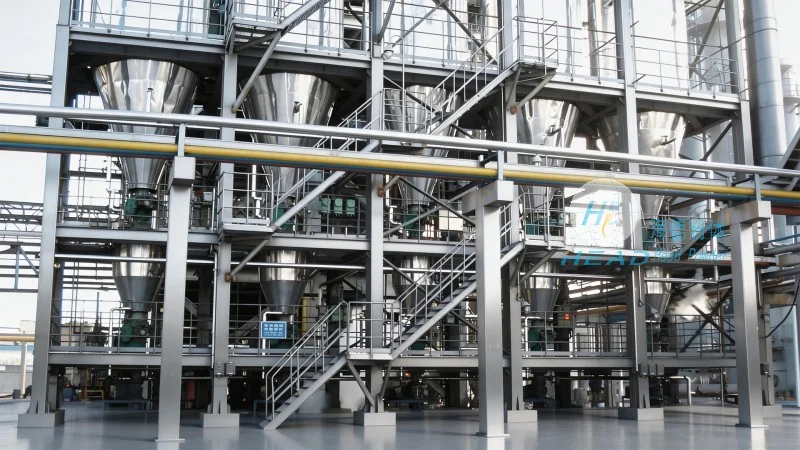
Molybdenum trioxide pneumatic conveying systems offer several technical advantages that make them superior to traditional mechanical conveying methods. Firstly, the positive pressure operation eliminates the need for mechanical components like conveyors or elevators, reducing the risk of material contamination and degradation. This is particularly important for MoO₃, which is a fine powder and can easily be damaged by friction or impact. Secondly, the system provides excellent dust control, as the material is enclosed within the pipeline and the air is filtered before discharge. This not only improves workplace safety but also maintains the purity of the material, which is critical for its application in high-tech industries. Thirdly, the equipment offers high flexibility and scalability, allowing it to be adapted to different production volumes and material types. The flow rate can be adjusted by changing the air pressure or the size of the conveying line, making it suitable for both small-scale and large-scale operations. Additionally, the system is energy-efficient compared to other conveying methods, as it uses compressed air that can be recycled and reused, reducing operational costs. However, the implementation of such systems requires careful consideration of the material's properties, such as its particle size, density, and abrasiveness, to ensure the system is designed and operated correctly. Proper maintenance, including regular cleaning of the pipeline and filter system, is also essential to maintain the system's performance and longevity.




