Winery slurry, a byproduct of winemaking, presents unique handling challenges due to its high moisture content, variable consistency, and propensity for clogging in conventional transport systems. Pneumatic conveying equipment offers an efficient solution by enabling the transport of this material without direct mechanical contact, thereby reducing wear and maintenance costs. This article delves into the operation process and working principle of such equipment, highlighting its benefits and technical considerations for wineries seeking reliable material transport solutions.
About Shandong HeadPowder Engineering Co., Ltd.
HeadPowder, a leading manufacturer specializing in pneumatic conveying systems, is dedicated to providing customized solutions for industrial applications, including winery slurry handling. With a focus on innovation and quality, the company has established itself as a trusted partner for wineries. HeadPowder's expertise lies in understanding the specific demands of the wine industry and tailoring equipment to meet those needs, ensuring optimal performance and longevity. The company's commitment to customer satisfaction and technical excellence has made it a preferred choice for wineries worldwide.
Components of Pneumatic Conveying Systems for Winery Slurry
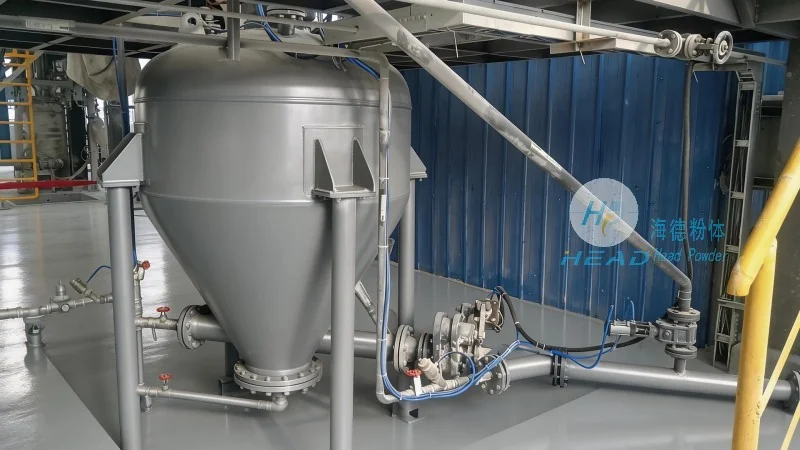
The pneumatic conveying system for winery slurry typically comprises several key components that work in unison to achieve efficient material transport. These include a hopper or storage tank for slurry collection, a feeder to regulate the flow rate, a compressor to generate the necessary air pressure, a pipeline network to transport the slurry, and a receiver or discharge unit for the material. Each component plays a critical role in the overall operation, and their proper integration is essential for smooth and continuous conveying. The hopper ensures a consistent supply of slurry, while the feeder controls the feed rate to match the system's capacity. The compressor provides the high-pressure air required to create the necessary flow velocity, and the pipeline conveys the slurry-air mixture to the receiver. The receiver separates the air from the slurry, allowing the material to be discharged for subsequent processing or disposal.
The Operation Process of Pneumatic Conveying Equipment
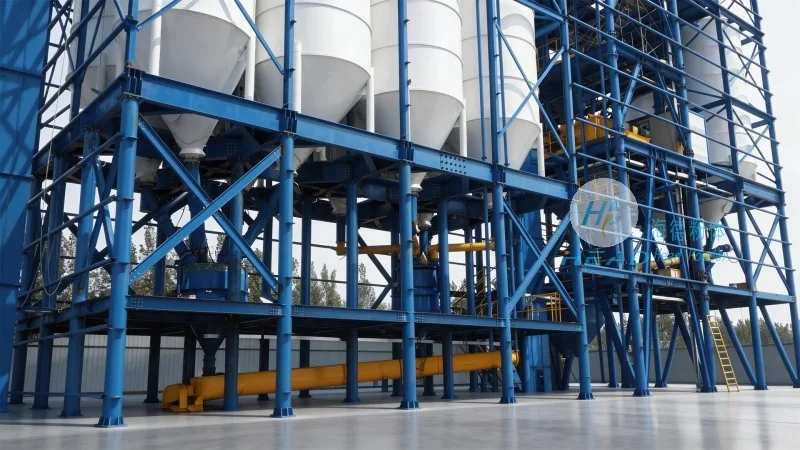
The operation process of winery slurry pneumatic conveying equipment begins with the loading of slurry into the hopper. The feeder then regulates the flow of slurry into the pipeline, ensuring a consistent feed rate. Simultaneously, the compressor generates high-pressure air, which is introduced into the pipeline. As the air and slurry mixture travels through the pipeline, the air velocity is maintained at a level sufficient to keep the slurry particles suspended and prevent clogging. The mixture then reaches the receiver, where the air is separated from the slurry, and the slurry is discharged for subsequent processing or disposal. The system operates continuously, with the air being recycled back to the compressor to minimize energy consumption and enhance efficiency.
Working Principle of Pneumatic Conveying Systems
The working principle of pneumatic conveying for winery slurry is based on the principles of fluidization and suspension. The high-pressure air creates a turbulent flow within the pipeline, which lifts and suspends the slurry particles. The air velocity must be sufficient to overcome the gravitational force acting on the particles, ensuring they remain in suspension throughout the conveying process. The system can operate in either positive pressure or negative pressure mode, depending on the application and the distance to be covered. Positive pressure systems are commonly used for short to medium conveying distances, as they provide consistent pressure and flow. Negative pressure systems are suitable for longer distances or when the material needs to be transported from a higher elevation to a lower one, as they create a vacuum that pulls the material through the pipeline.
Benefits of Using Pneumatic Conveying Equipment for Winery Slurry
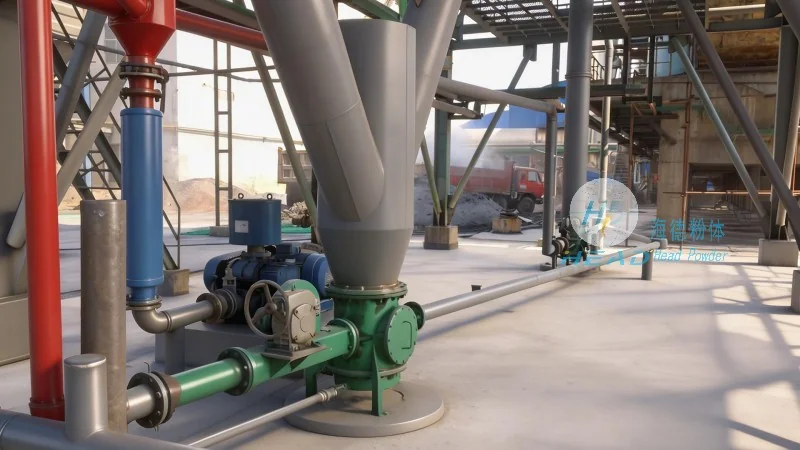
Implementing pneumatic conveying equipment for winery slurry offers several advantages over traditional mechanical conveying methods. Firstly, it eliminates the need for mechanical components such as belts, chains, or screws, which are prone to wear and require frequent maintenance. This reduces downtime and operational costs, allowing wineries to maintain higher production efficiency. Secondly, the absence of direct contact between the slurry and the equipment reduces the risk of contamination and ensures the quality of the final product, which is crucial for wineries aiming to produce high-quality wines. Thirdly, the system is highly flexible, allowing for easy adjustment of the conveying rate and distance to accommodate varying production volumes and operational needs. Additionally, pneumatic conveying is energy-efficient, as the air can be recycled and reused, minimizing energy consumption compared to other transport methods. This not only reduces operational costs but also aligns with the growing emphasis on sustainable practices in the wine industry.
Technical Considerations and Maintenance
When selecting and operating pneumatic conveying equipment for winery slurry, several technical considerations must be carefully evaluated. The choice of air compressor type (e.g., rotary screw or reciprocating) depends on the required pressure and flow rate, as well as the specific characteristics of the slurry. Rotary screw compressors are often preferred for their reliability and ability to handle high volumes of air, while reciprocating compressors may be more suitable for applications requiring higher pressure. The pipeline diameter and material (e.g., stainless steel or PVC) are critical to prevent corrosion and ensure durability, especially when dealing with acidic or corrosive slurry. Regular maintenance is essential to ensure the system operates efficiently and reliably. This includes checking the compressor for air leaks, cleaning the pipeline to prevent clogging, and inspecting the feeder and hopper for wear and tear. Proper maintenance can significantly extend the lifespan of the equipment and maintain its performance, ensuring consistent and reliable operation over time.




