Chloroprene rubber, also known as neoprene, is a versatile synthetic polymer widely used in industrial applications due to its excellent resistance to oil, chemicals, and weathering. Pneumatic conveying systems are critical for efficiently transporting chloroprene rubber particles from storage to processing units. This article explores the operation process and working principle of such systems, highlighting key components, operational steps, and technical considerations.
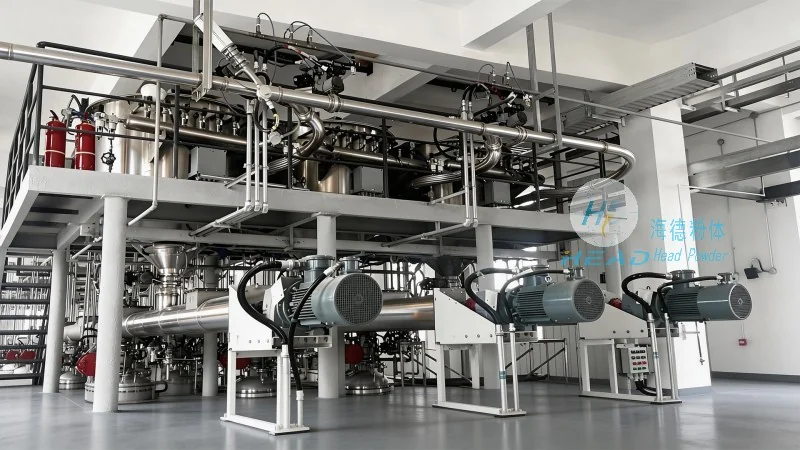
System Overview and Key Components
Shandong HeadPowder Engineering Co., Ltd. specializes in designing and manufacturing advanced pneumatic conveying solutions tailored for chloroprene rubber handling. The typical system consists of several core components: a hopper for material storage, a rotary valve or feeder to control material flow, a conveying pipeline, a dust collector or filter system, and a receiver for material discharge. Each component plays a vital role in ensuring smooth and efficient material transport. The company’s expertise in material handling engineering ensures that the system is optimized for the specific properties of chloroprene rubber, such as its density, particle size, and moisture content.
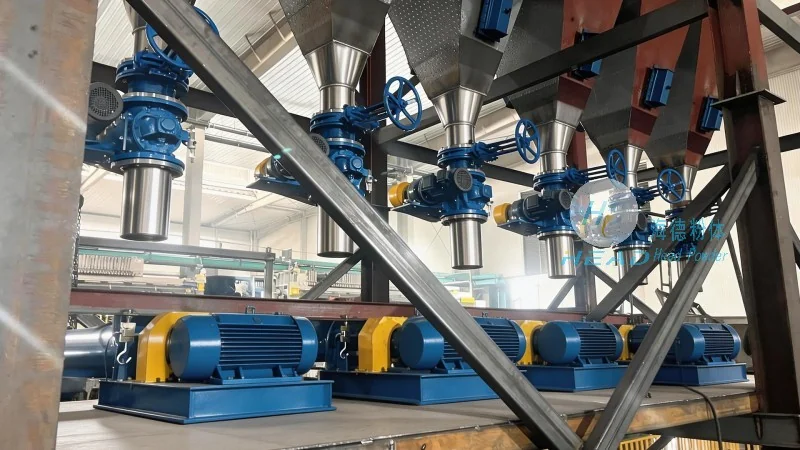
Operation Process: Step-by-Step Execution
The operation of a chloroprene rubber pneumatic conveying system follows a systematic sequence to maintain consistent material flow and prevent system blockages or inefficiencies. The process begins with material loading into the hopper. The rotary valve or feeder then regulates the amount of material released into the conveying pipeline. Compressed air, typically supplied by an air compressor, is introduced into the pipeline, creating a pressure differential that propels the rubber particles forward. The material travels through the pipeline, passing through any necessary filters or separators to remove dust or debris. Upon reaching the receiver, the material is discharged, completing the cycle. The system may include a vacuum or pressure mode, depending on the application requirements. Regular maintenance, such as cleaning the filter and checking air pressure, is essential to maintain optimal performance.
Working Principle: The Physics Behind Pneumatic Conveying
The working principle of a pneumatic conveying system relies on the fundamental physics of fluid dynamics and particle motion. When compressed air is introduced into the pipeline, it creates a high-velocity flow that entrains the chloroprene rubber particles. The air velocity must be sufficient to overcome the gravitational force acting on the particles and any frictional resistance within the pipeline. The system operates on the principle of "air-particle interaction," where the air stream carries the particles along the pipeline. The design of the pipeline, including its diameter and length, is critical to achieving the desired conveying velocity and preventing particle segregation or degradation. Shandong HeadPowder Engineering Co., Ltd. employs advanced computational fluid dynamics (CFD) simulations to optimize the system design, ensuring efficient material transport while minimizing energy consumption and wear on components.
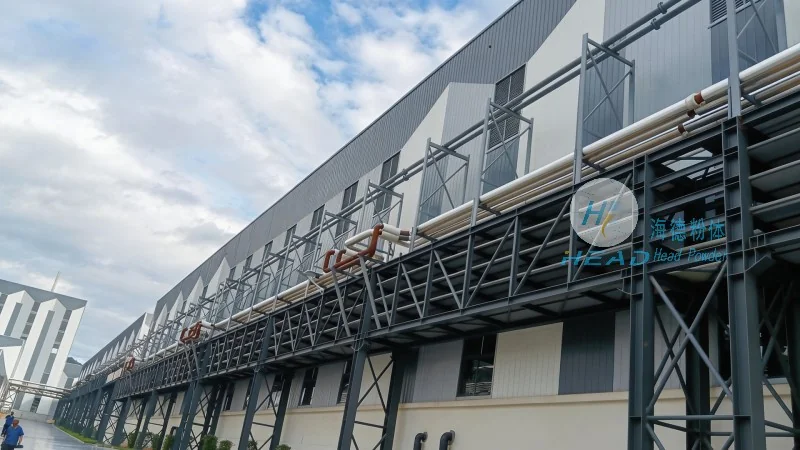
Technical Advantages and Applications
Chloroprene rubber pneumatic conveying systems offer several technical advantages over traditional mechanical conveying methods. These include reduced material degradation due to minimal contact with equipment, lower maintenance costs due to fewer moving parts, and improved safety by eliminating the need for manual handling of bulk materials. The systems are widely used in the rubber and tire manufacturing industries, where chloroprene rubber is a key component in producing high-performance products. The company’s systems are designed to handle various particle sizes and moisture levels, making them suitable for a range of industrial applications. By leveraging the expertise of Shandong HeadPowder Engineering Co., Ltd., industries can enhance their material handling efficiency and reduce operational costs.




