Bulk powder pneumatic conveying equipment, as a core component in modern material handling, plays a crucial role in the efficient transportation of powders and granules. This technology, developed by Shandong HeadPowder Engineering Co., Ltd., a leading manufacturer in the field, utilizes air pressure to move materials from one location to another. The following sections will delve into the detailed operation process and working principles of such systems, providing a comprehensive understanding of their functionality and practical applications.
Key Components of Pneumatic Conveying Systems
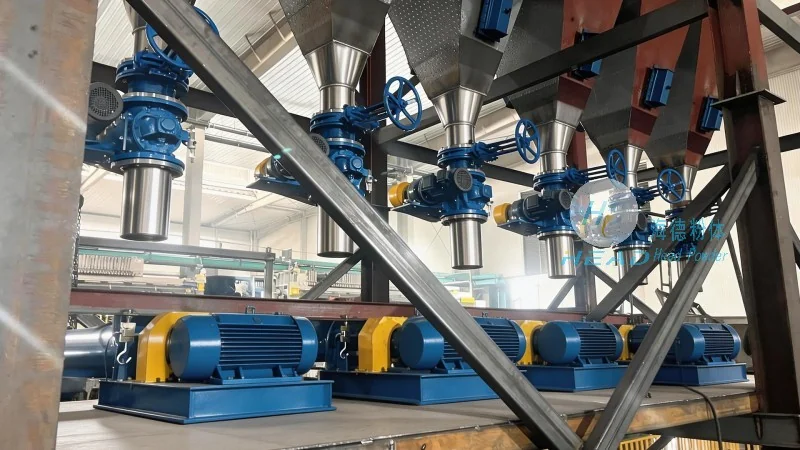
Before exploring the operation process, it is essential to understand the primary components that make up a bulk powder pneumatic conveying system. These components work in synergy to ensure smooth and reliable material transport. The main parts include the material feed hopper, the air compressor or blower, the conveying pipeline, the control valves, and the discharge hopper. Each component has a specific function that contributes to the overall system performance. For instance, the feed hopper is responsible for storing and feeding the bulk material into the system, while the air compressor generates the necessary air pressure to drive the material through the pipeline. The control valves regulate the air flow and pressure, allowing for precise control over the conveying process. The discharge hopper collects the material at the destination point, completing the material transfer cycle.
The Operation Process of Bulk Powder Pneumatic Conveying
The operation process of bulk powder pneumatic conveying typically involves several sequential steps. Initially, the bulk material is loaded into the feed hopper. The system then starts by activating the air compressor, which generates a flow of air through the conveying pipeline. As the air flows, it creates a low-pressure zone within the pipeline, which draws the material from the feed hopper into the air stream. The material is then carried along the pipeline by the moving air, traveling to the discharge hopper at the receiving end. The process continues until the material is fully transferred, after which the system can be reset for the next batch. This continuous or batch operation mode depends on the specific requirements of the application and the design of the conveying system.
Working Principles of Pneumatic Conveying Technology
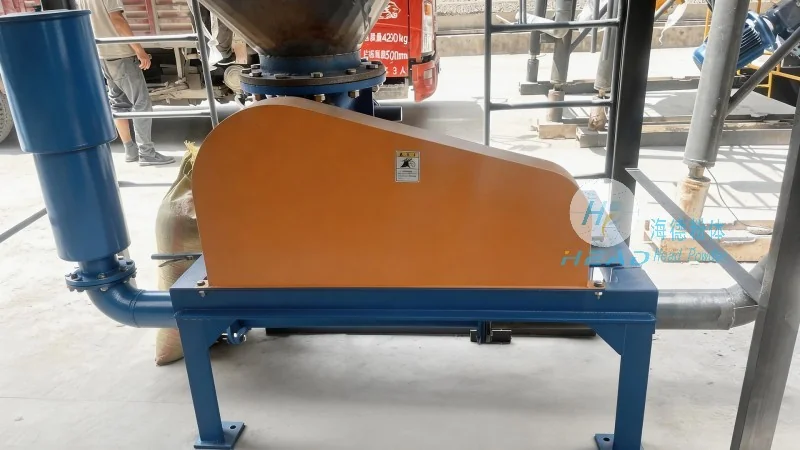
The working principle of bulk powder pneumatic conveying is based on the fundamental physics of fluid dynamics and particle motion. There are two main types of pneumatic conveying systems: pressure and vacuum systems. In a pressure system, the air compressor supplies compressed air to the pipeline, creating a high-pressure environment that pushes the material forward. Conversely, a vacuum system uses a vacuum pump to create a low-pressure zone at the discharge end, pulling the material from the feed hopper. The choice between these systems depends on factors such as the distance of material transport, the type of material, and the required flow rate. The core principle in both systems is the use of air as the conveying medium, which interacts with the material particles to achieve movement. The air flow velocity must be sufficient to overcome the gravitational and frictional forces acting on the particles, ensuring that the material remains suspended and transported efficiently. This principle is critical for maintaining the integrity of the material and preventing blockages or degradation during the conveying process.
Advantages and Applications of Pneumatic Conveying Equipment
Bulk powder pneumatic conveying equipment offers numerous advantages over traditional material handling methods. One of the primary benefits is the ability to transport materials in a closed system, which helps to prevent contamination, dust emissions, and material loss. This is particularly important for handling sensitive or hazardous powders. Additionally, pneumatic conveying systems can handle a wide range of materials, including fine powders, granules, and bulk solids, with minimal degradation. The flexibility of the system allows for easy integration into existing production lines and can be adapted to various operational requirements. Applications of this technology span multiple industries, including pharmaceuticals, food processing, chemical manufacturing, and mining. For example, in the pharmaceutical industry, pneumatic conveying is used to transport active ingredients and excipients with high precision and hygiene standards. In the food industry, it is employed to handle powders like flour and sugar, ensuring product quality and safety. The versatility and efficiency of bulk powder pneumatic conveying make it an indispensable tool in modern industrial operations.
Maintenance and Operational Considerations
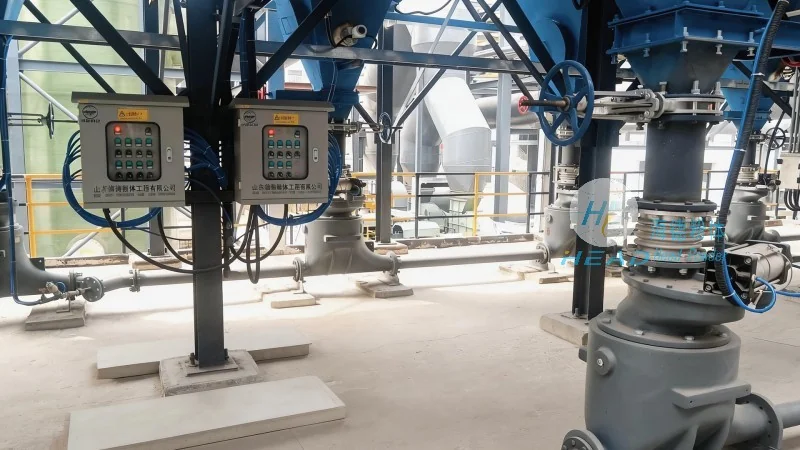
To ensure the optimal performance and longevity of bulk powder pneumatic conveying systems, proper maintenance and operational considerations are essential. Regular maintenance tasks include checking and replacing air filter elements, inspecting pipeline for blockages or leaks, and lubricating moving parts of the air compressor. It is also important to monitor the air pressure and flow rate during operation to detect any anomalies that may indicate system issues. Proper cleaning and maintenance of the feed and discharge hoppers are crucial to prevent material buildup and contamination. Operational considerations also involve selecting the appropriate air flow velocity and pressure based on the material characteristics and conveying distance. Overly high air velocities can lead to excessive energy consumption and potential material degradation, while insufficient velocity may cause blockages or inefficient transport. By adhering to recommended maintenance schedules and operational guidelines, users can maximize the efficiency and reliability of their pneumatic conveying equipment, ensuring consistent and high-quality material handling performance.
Conclusion
Bulk powder pneumatic conveying equipment, as exemplified by the solutions from Shandong HeadPowder Engineering Co., Ltd., represents a sophisticated and efficient method for material handling in various industrial applications. Through an understanding of the key components, operation process, and working principles, users can appreciate the technology's capabilities and benefits. The ability to transport materials in a closed system, handle diverse materials, and maintain high operational efficiency makes pneumatic conveying a preferred choice for many industries. With proper maintenance and adherence to operational best practices, these systems can deliver reliable performance over extended periods, contributing to improved productivity and cost-effectiveness in material handling operations.




