HeadPowder, a leading manufacturer based in Shandong, China, specializes in the design, production, and supply of advanced nitrogen protective pneumatic conveying equipment. This equipment is crucial for industries requiring safe and efficient material handling, particularly where inert gas protection is essential to prevent oxidation or contamination. The following sections detail the operational process and underlying principles of such systems, highlighting the technical aspects that ensure reliable performance.
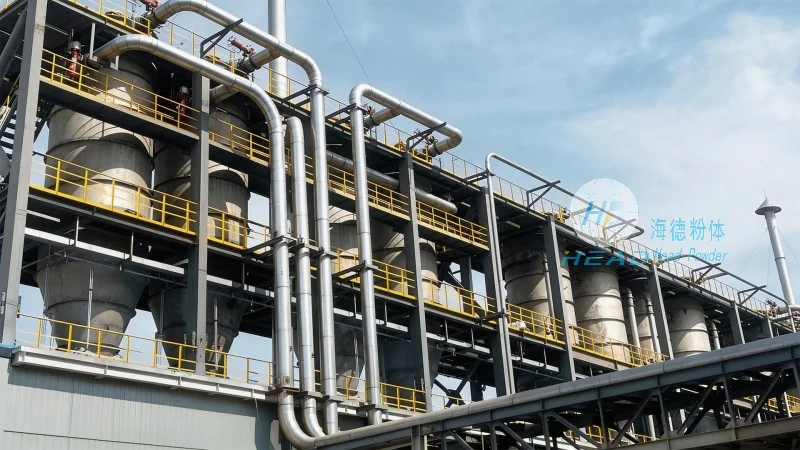
Overview of Nitrogen Protective Pneumatic Conveying Systems
The nitrogen protective pneumatic conveying systems are engineered to handle materials that are sensitive to atmospheric exposure, such as pharmaceutical powders, food ingredients, or chemical compounds. These systems integrate a high-purity nitrogen gas supply with a conventional pneumatic conveying mechanism, creating an inert environment that safeguards the material during transport. The primary goal is to maintain product purity and safety, which is critical in industries where even minor contamination can have significant consequences.
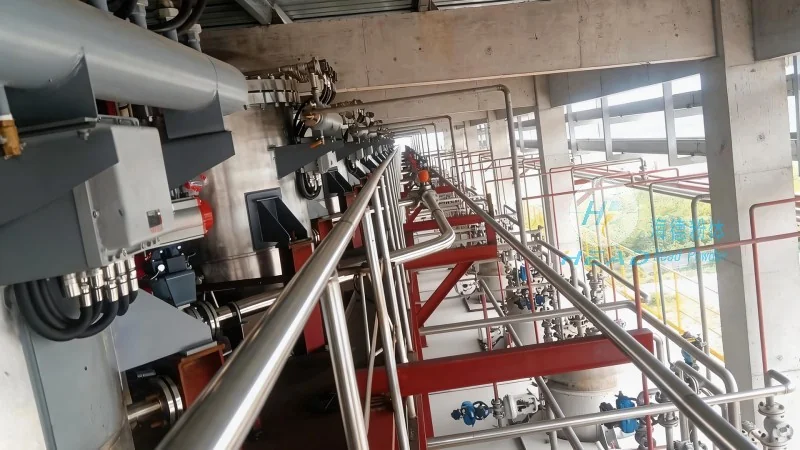
Key Components and Their Functions
The core components of the nitrogen protective pneumatic conveying equipment include a nitrogen gas source (e.g., a nitrogen generator or high-pressure cylinders), a pressure vessel or receiver, a conveying line with airlocks or rotary valves, and a sophisticated control system. The nitrogen gas is introduced into the system to displace air from the conveying line, establishing an inert atmosphere. The pressure vessel or receiver stores the material and maintains the system's pressure, while the conveying line transports the material under the pressure of the nitrogen gas. The control system monitors and regulates the gas flow, pressure, and material level, ensuring optimal operation and consistent inert gas protection.
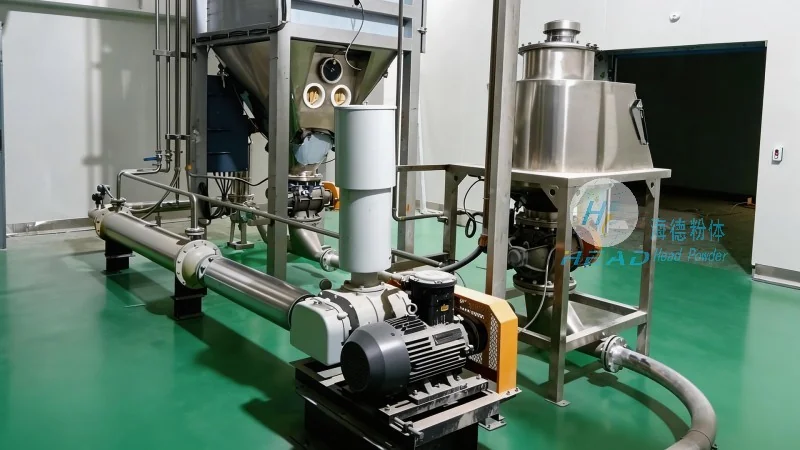
Operation Process: Step-by-Step Execution
The operation of the nitrogen protective pneumatic conveying system follows a systematic sequence to ensure efficient and safe material transport. The process begins with the loading of material into the hopper or storage bin. The material is then fed into the system via a feeder or rotary valve, which controls the flow rate. Simultaneously, the nitrogen gas is pressurized and introduced into the conveying line, creating the inert gas environment. The material is pneumatically conveyed through the line under the pressure of the nitrogen gas, moving from the inlet to the discharge point. At the discharge end, the material is released into a receiving container, while the nitrogen gas is either recirculated or vented to maintain system pressure and gas purity. The control system continuously adjusts parameters to ensure the material is conveyed smoothly and the inert gas environment is maintained.
Working Principle: How It Ensures Inert Gas Protection
The working principle of the nitrogen protective pneumatic conveying system is based on gas displacement and inert gas retention. When the system is activated, the nitrogen gas is pumped into the conveying line, pushing out the air and creating a low-oxygen environment. This inert atmosphere prevents the material from coming into contact with oxygen or moisture, which could lead to degradation, caking, or contamination. The system maintains this environment throughout the entire conveying process, from the material's initial loading to its final discharge. The control system continuously monitors the gas pressure, flow rate, and material level, ensuring that the system operates within optimal parameters and that the inert gas environment is consistently maintained. This principle is fundamental to the equipment's ability to protect sensitive materials and ensure product quality.
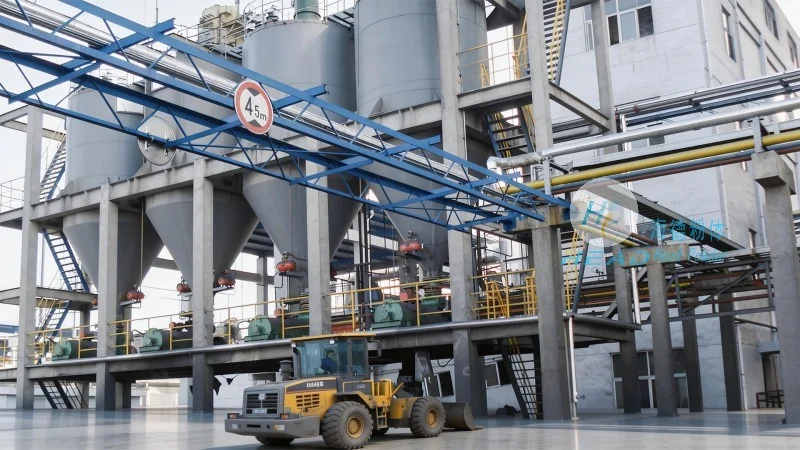
Benefits and Applications in Industrial Settings
Implementing nitrogen protective pneumatic conveying equipment offers several key benefits for industrial applications. The primary benefit is enhanced safety and product quality, as the inert gas environment eliminates the risk of oxidation or contamination. This is particularly important for sensitive materials, such as pharmaceutical powders or food ingredients, where even minor exposure to air can affect their efficacy or shelf life. Additionally, the system improves operational efficiency by reducing downtime caused by material degradation or clogging. The equipment is also designed for easy maintenance and scalability, allowing it to adapt to varying production demands. In industries like pharmaceutical manufacturing, food processing, and chemical processing, this technology is indispensable for maintaining compliance with stringent quality and safety standards. The reliability and efficiency of these systems make them a preferred choice for companies seeking to optimize their material handling processes while ensuring product integrity.




