Automatic pneumatic conveying equipment is a sophisticated system designed to transport bulk materials through a pipeline using air as the primary medium. This technology is widely used in various industries, including food processing, pharmaceuticals, and chemical manufacturing, due to its efficiency and ability to handle a diverse range of materials. The operation of such equipment involves a series of coordinated steps that ensure the smooth and reliable transfer of materials from the source to the destination.
Company Introduction
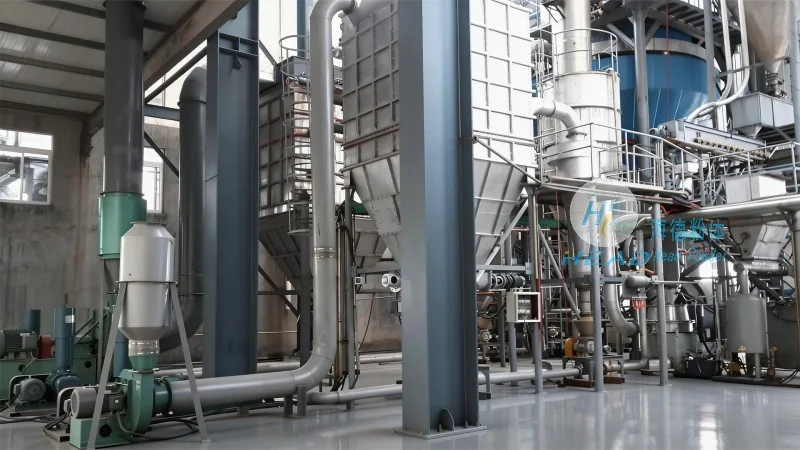
HeadPowder, the brand under Shandong HeadPowder Engineering Co., Ltd., specializes in the design, manufacturing, and installation of advanced pneumatic conveying systems. With a strong commitment to quality and innovation, the company has established itself as a leading provider of solutions tailored to the specific needs of different industries. HeadPowder's products are engineered to meet stringent standards, ensuring durability, efficiency, and compliance with industry regulations. The company's headquarters is located in Shandong, China, where a team of experienced engineers and technicians work tirelessly to develop cutting-edge technologies that enhance material handling processes.
Working Principle of Pneumatic Conveying
The core principle of pneumatic conveying is the use of compressed air to create a flow that transports solid particles through a pipeline. The system typically consists of a material feed hopper, a conveying line, a receiver, and a control unit. The process begins when bulk material is fed into the hopper. A rotary valve or feeder then introduces the material into the conveying line, where it is carried by the air stream. The air pressure and velocity are carefully controlled to ensure the material is transported without clogging or degradation. The receiver at the end of the line collects the material, and the system is designed to maintain consistent flow rates and pressure levels throughout the operation.
Operation Process of Automatic Pneumatic Conveying
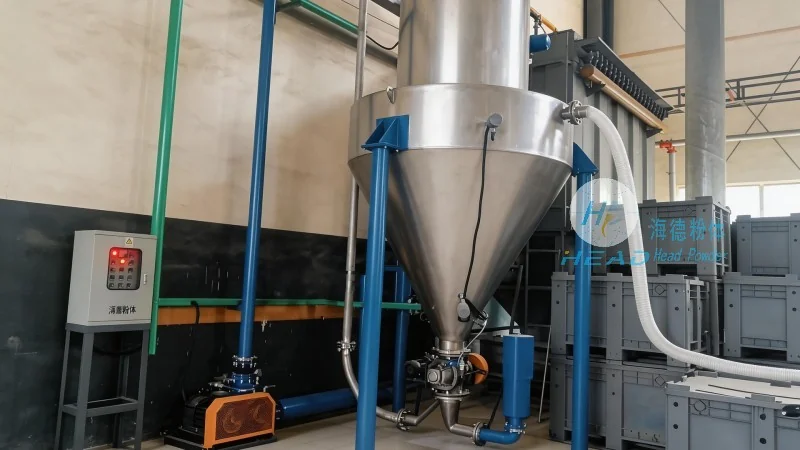
The operation of an automatic pneumatic conveying system involves several key stages that are typically automated to minimize human intervention and maximize efficiency. The first stage is the material loading process, where the hopper is filled with the bulk material. The system then activates the feeder, which meters the material into the conveying line at a controlled rate. The compressed air is supplied by a blower or compressor, and the air flow is regulated to maintain the desired velocity for material transport. As the material travels through the pipeline, it is suspended and carried by the air stream, reaching the receiver at the other end. The receiver is equipped with a discharge valve that allows the material to be released into the next processing stage or storage container. The entire process is monitored by a control system that adjusts parameters such as air pressure, flow rate, and material feed rate to maintain optimal performance. This automation ensures consistent and reliable operation, reducing downtime and improving overall productivity.
Key Components and Their Functions
Several critical components work together to ensure the effective operation of pneumatic conveying systems. The material feed hopper serves as the storage and feeding unit, providing a consistent supply of material to the system. The feeder, often a rotary valve or screw feeder, controls the flow rate of the material into the conveying line, preventing overfeeding and ensuring smooth transport. The conveying line, typically made of stainless steel or other corrosion-resistant materials, is designed to withstand the pressure and temperature of the air and material. The blower or compressor generates the necessary air pressure to create the conveying flow. The receiver, equipped with a dust collection system in some cases, collects the material and may include features like a discharge valve or a level indicator to monitor the material level. The control unit, which may be a programmable logic controller (PLC) or a digital control panel, manages all the operational parameters, ensuring the system operates within safe and efficient limits.
Advantages of Automatic Pneumatic Conveying
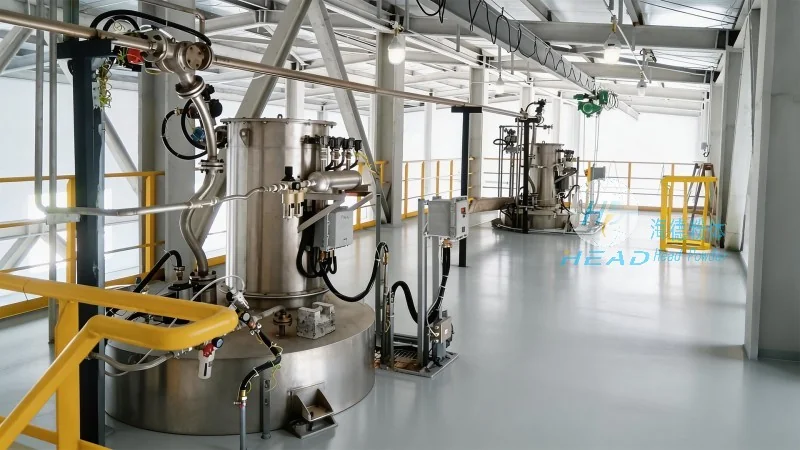
Automatic pneumatic conveying offers numerous advantages over traditional mechanical conveying methods. One of the primary benefits is the ability to transport materials over long distances without the need for multiple transfer points or elevators. This reduces the risk of material degradation and contamination, which is particularly important in industries like food and pharmaceuticals where product quality is paramount. The system also minimizes labor requirements, as the operation is largely automated, reducing the need for manual handling and lowering the risk of workplace injuries. Additionally, pneumatic conveying systems are flexible and can be easily reconfigured to accommodate changes in production requirements or material types. The enclosed pipeline design prevents dust emissions and improves workplace safety, making it an environmentally friendly option compared to open conveyor systems.
Applications and Industries
Automatic pneumatic conveying equipment is utilized in a wide range of industries due to its versatility and efficiency. In the food industry, it is commonly used to transport grains, powders, and other food products, ensuring hygienic and contamination-free handling. The pharmaceutical industry relies on such systems to handle active pharmaceutical ingredients (APIs) and other sensitive materials, maintaining strict quality control standards. The chemical industry uses pneumatic conveying for transporting powders, granules, and other bulk chemicals, often in hazardous environments where dust control is critical. Other applications include the handling of minerals, plastics, and agricultural products, where the system's ability to handle diverse materials makes it a preferred choice. HeadPowder's solutions are tailored to meet the specific requirements of these industries, providing customized systems that enhance operational efficiency and product quality.
Maintenance and Troubleshooting
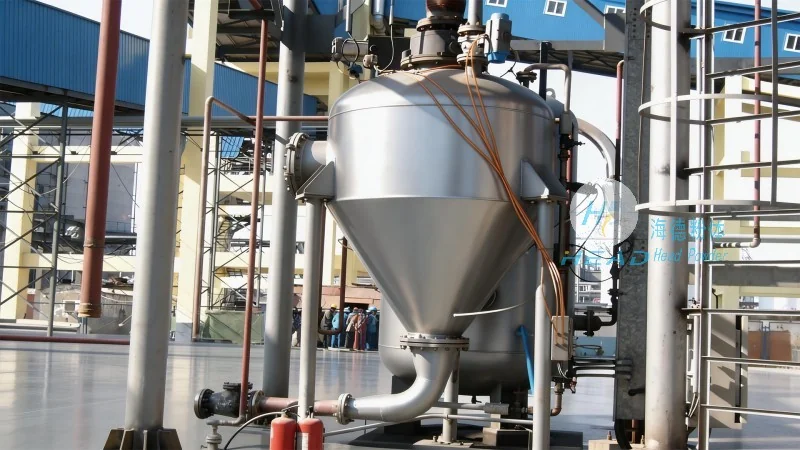
To ensure the long-term reliability and performance of pneumatic conveying systems, regular maintenance is essential. HeadPowder recommends a proactive maintenance schedule that includes inspections of key components such as the blower, feeder, and conveying line. Regular cleaning of the hopper and receiver is necessary to prevent material buildup and clogging. The air filter and compressor should be checked and replaced as needed to maintain proper air quality and pressure. Monitoring the system's performance parameters, such as air pressure, flow rate, and material feed rate, helps identify potential issues early and prevent major breakdowns. Common troubleshooting steps include checking for air leaks in the pipeline, ensuring the feeder is operating at the correct speed, and verifying that the receiver is not overloaded. By following a regular maintenance plan and addressing issues promptly, the system can operate efficiently for many years, providing consistent performance and minimizing downtime.
Conclusion
Automatic pneumatic conveying equipment, as exemplified by the solutions offered by Shandong HeadPowder Engineering Co., Ltd., represents a highly efficient and reliable method for transporting bulk materials. The system's operation, based on the principles of air flow and material suspension, ensures smooth and consistent transport from the source to the destination. With its numerous advantages, including flexibility, hygiene, and reduced labor requirements, pneumatic conveying has become an indispensable technology in many industries. By understanding the working principles and operation process of such equipment, users can optimize their material handling processes, improve productivity, and maintain high standards of product quality. HeadPowder's commitment to quality and innovation ensures that their systems are designed to meet the evolving needs of the market, providing durable and efficient solutions for years to come.




