Automatic continuous material pneumatic conveying systems represent a sophisticated approach to material handling, offering efficient, dust-free, and flexible solutions for transporting bulk materials. This technology is integral to modern industrial processes, enabling seamless integration of material flow across various operational stages. The following sections delve into the fundamental principles governing these systems and explore the diverse work scenarios where they are applied effectively.
Understanding the Core Principles of Pneumatic Conveying
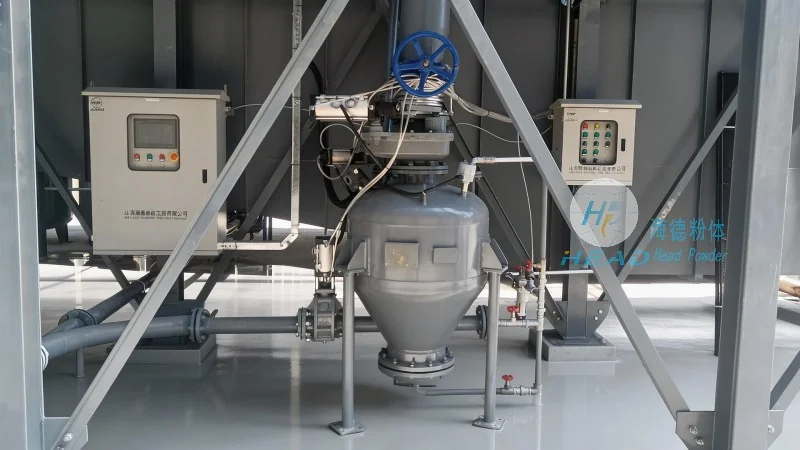
At the heart of automatic continuous material pneumatic conveying lies the use of air as the primary transport medium. Unlike traditional mechanical conveyors, which rely on physical contact and friction to move materials, pneumatic systems utilize pressure differentials to propel particles through a pipeline network. The process typically involves a combination of positive and negative pressure zones, creating a continuous flow that ensures consistent material transfer rates. Key components include the conveyor line, air supply units, and material feed mechanisms, each working in concert to maintain system efficiency. The design of these systems is tailored to the specific characteristics of the material being conveyed—such as particle size, density, and moisture content—ensuring optimal performance and minimizing operational disruptions.
Key Components and Operational Mechanics
The effectiveness of a pneumatic conveying system hinges on its integrated components. The conveyor line, often constructed from stainless steel or other corrosion-resistant materials, forms the backbone of the system, providing a sealed pathway for material transport. Air supply units, which may include blowers, fans, or compressors, generate the necessary pressure to move materials. Material feed mechanisms, such as rotary valves or screw feeders, control the rate at which material enters the system, preventing overloading and ensuring a steady flow. Additionally, control systems monitor pressure, flow rates, and material levels, allowing for real-time adjustments to maintain optimal performance. These components work together to create a self-regulating system that adapts to varying operational demands.
Application Scenarios and Industry Use Cases
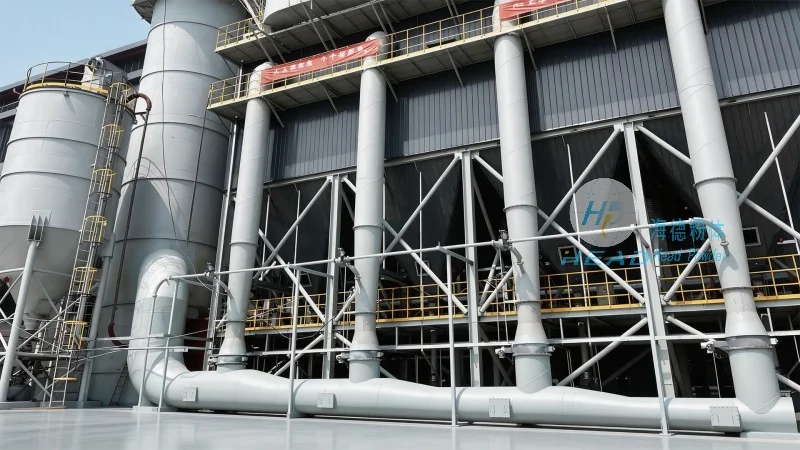
Pneumatic conveying systems find widespread application across multiple industries, each leveraging the technology to address unique material handling challenges. In the pharmaceutical sector, for instance, these systems are used to transport powders and granules with strict contamination control requirements, ensuring compliance with regulatory standards. The food and beverage industry utilizes pneumatic conveyors to handle dry ingredients like flour, sugar, and spices, maintaining hygiene and preventing cross-contamination. In the chemical industry, systems are designed to transport hazardous powders safely, with features like explosion-proof designs and material separation to mitigate risks. Additionally, in the mining and minerals sector, large-scale pneumatic systems are employed to transport raw materials from processing plants to storage facilities, enhancing operational efficiency and reducing labor costs. Each application is customized to meet the specific needs of the industry, ensuring that the system delivers reliable performance and meets safety and quality standards.
Advantages of Automatic Continuous Pneumatic Conveying
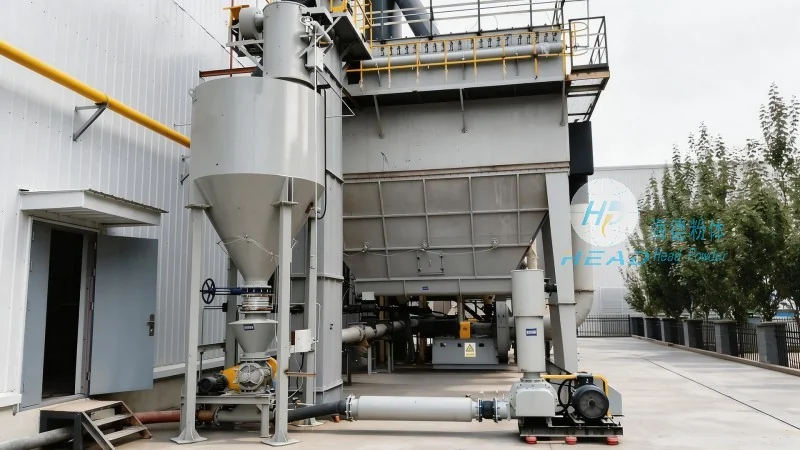
Compared to traditional mechanical conveyors, automatic continuous material pneumatic conveying offers several distinct advantages. The primary benefit is the elimination of physical contact between the material and the conveyor, which reduces wear and tear on equipment and extends service life. This also minimizes the risk of material contamination, making it ideal for sensitive applications. Additionally, pneumatic systems are highly flexible, allowing for changes in material flow direction and capacity without significant modifications to the infrastructure. The ability to transport materials over long distances with minimal energy consumption further enhances their appeal. Furthermore, these systems are compact and can be integrated into existing facilities, reducing installation costs and time. Overall, the advantages of pneumatic conveying make it a preferred choice for industries seeking efficient, reliable, and cost-effective material handling solutions.
Customization and System Integration
Shandong HeadPowder Engineering Co., Ltd. specializes in designing and manufacturing customized pneumatic conveying systems tailored to the specific needs of clients. The company, known as headpowder, leverages advanced engineering expertise to develop solutions that address unique operational challenges. Each system is designed with the client's material characteristics, production capacity, and operational environment in mind, ensuring optimal performance and efficiency. The company's approach emphasizes collaboration with clients to understand their requirements and provide tailored solutions that meet their long-term goals. By integrating the latest technologies and materials, headpowder delivers systems that are not only efficient but also durable and easy to maintain. The company's commitment to quality and customer satisfaction has established it as a trusted partner in the material handling industry.




