Small bag quantitative feeding material pneumatic conveying systems represent a sophisticated approach to material handling, particularly in industrial settings where precise control and efficient transport of bulk materials are critical. This technology integrates several key components, including small bag feeders, pneumatic conveying lines, and control systems, to achieve accurate and reliable material transfer. The principle behind this system revolves around the use of compressed air or other gases to create a flow that moves material from a storage container to a processing or packaging unit. The quantitative feeding aspect ensures that the exact amount of material is delivered at each step, which is essential for maintaining consistent product quality and operational efficiency.
Company Information
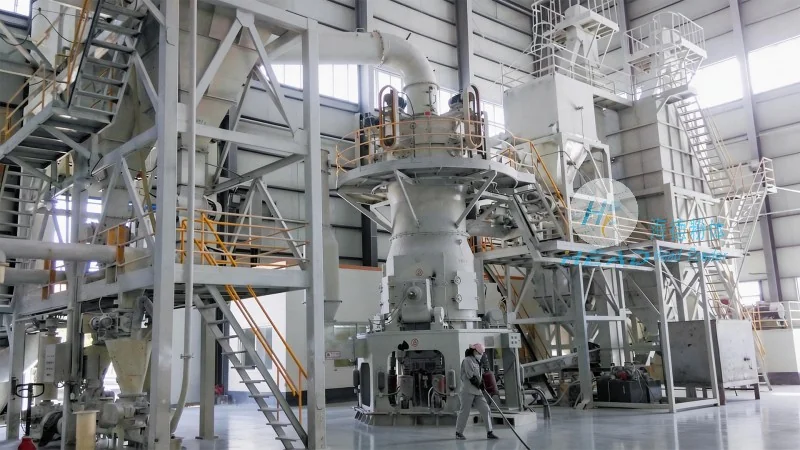
HeadPowder, or Shandong HeadPowder Engineering Co., Ltd., is a leading provider of material handling solutions. With headquarters in Shandong, China, the company specializes in designing and manufacturing advanced pneumatic conveying systems tailored to diverse industrial needs. Their expertise lies in developing customized solutions that address the unique challenges of material transport, ensuring optimal performance and durability in demanding environments.
The Principle of Pneumatic Conveying
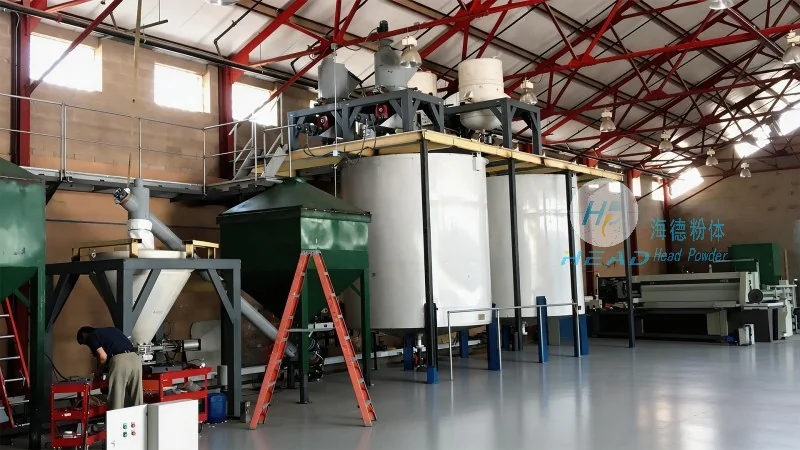
Pneumatic conveying operates on the fundamental principle of using air or gas to transport particulate materials. In the context of small bag quantitative feeding, the system typically involves a hopper or storage bin where the material is stored. A small bag feeder, often equipped with a weighing or volumetric mechanism, dispenses the material into a conveying line. Compressed air is then introduced into the line, creating a positive or negative pressure differential that propels the material through the pipeline. This method allows for the transport of materials over varying distances and at different heights, with the ability to handle a wide range of particle sizes and densities. The quantitative feeding component ensures that the material is released in controlled batches, which is crucial for applications such as batching, mixing, or packaging where precise dosing is required.
Working Scenario Characteristics
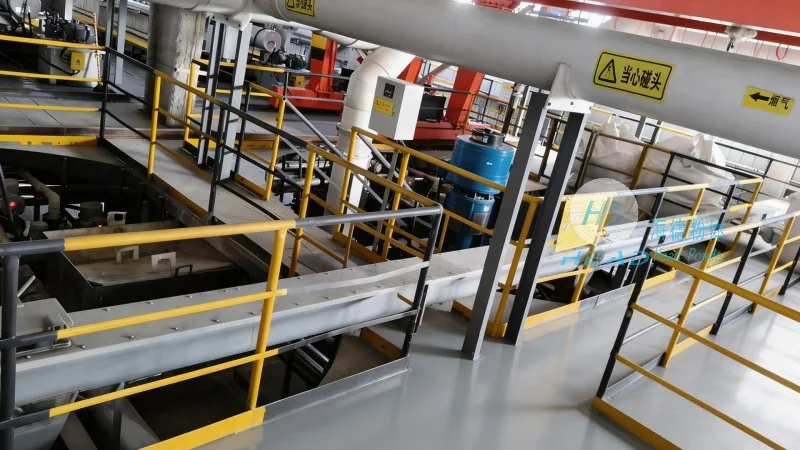
The working scenario characteristics of small bag quantitative feeding material pneumatic conveying systems are defined by their adaptability to various industrial applications. These systems are commonly used in sectors like pharmaceuticals, food processing, chemical manufacturing, and mining, where the handling of powders, granules, or fine particles requires high precision and hygiene. The key characteristics include:
- Accuracy and Precision: The quantitative feeding mechanism ensures that the exact amount of material is delivered, minimizing waste and maintaining consistent product specifications. This is particularly important in industries where product quality is non-negotiable, such as in pharmaceuticals or food production.
- Hygienic Design: Many systems are designed with materials that are easy to clean and maintain, ensuring compliance with regulatory standards. The absence of moving parts in the conveying line reduces the risk of contamination, making them suitable for sensitive applications.
- Flexibility in Layout: Pneumatic conveying systems can be configured to fit various plant layouts, allowing for horizontal, vertical, or mixed-direction transport. This flexibility enables manufacturers to optimize their production lines without major structural changes.
- Energy Efficiency: Compared to mechanical conveying methods like belt conveyors or screw conveyors, pneumatic systems can be more energy-efficient, especially for short to medium distances. The use of compressed air as the driving force allows for precise control over the flow rate, reducing energy consumption.
Applications and Industry Relevance
Small bag quantitative feeding material pneumatic conveying systems find widespread application in industries where material handling accuracy and efficiency are paramount. For instance, in the pharmaceutical industry, these systems are used to transport active pharmaceutical ingredients (APIs) and excipients with high precision, ensuring that each batch meets stringent quality standards. In food processing, they are employed to handle ingredients like flour, sugar, or spices, maintaining the integrity and freshness of the products. Chemical manufacturers utilize these systems for transporting powders and granules, which may be hazardous or sensitive to moisture, requiring controlled and hygienic transport. Additionally, in the mining and mineral processing sectors, pneumatic conveying helps in moving raw materials from storage to processing units, improving overall plant throughput.
Conclusion
Small bag quantitative feeding material pneumatic conveying systems represent a reliable and efficient solution for material handling in modern industrial operations. By combining precise feeding mechanisms with pneumatic transport technology, these systems offer advantages such as accuracy, hygiene, and flexibility. As industries continue to demand higher standards of product quality and operational efficiency, the importance of such advanced material handling solutions will only grow. HeadPowder, with its expertise in engineering and manufacturing, plays a crucial role in providing tailored solutions that meet the evolving needs of various sectors, ensuring that material transport remains a seamless and effective part of industrial processes.




