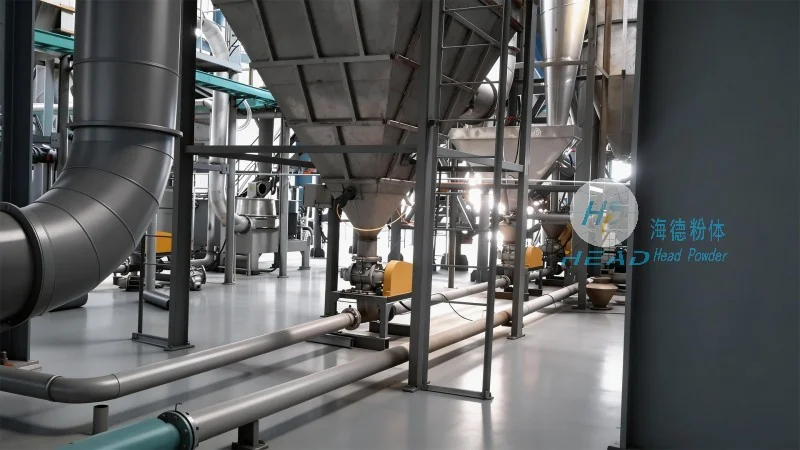
Dolomite material conveying lines are specialized industrial systems engineered to transport dolomite, a calcium magnesium carbonate mineral, efficiently and safely. These systems are integral to various industrial processes where dolomite is used as a raw material or an additive. Understanding the components and design principles of such lines is crucial for optimizing material handling in mining, manufacturing, and processing operations.
Introduction to Dolomite Material Conveying Lines
Dolomite, with its chemical formula CaMg(CO₃)₂, is widely utilized in industries like construction, steel production, and chemical manufacturing due to its unique properties. A dolomite material conveying line is a comprehensive setup that includes feeders, conveyors, control systems, and sometimes processing units. The primary function is to move dolomite from its source, such as a mine or storage silo, to the processing or end-use point. These systems are designed to handle the specific characteristics of dolomite, including its particle size, density, and moisture content, ensuring minimal material loss and operational efficiency.
About HeadPowder: Your Expert in Material Handling Solutions
HeadPowder, a leading name in the material handling industry, specializes in the design, manufacturing, and installation of advanced conveying systems. With headquarters in Shandong, China, HeadPowder Engineering Co., Ltd. has built a reputation for delivering high-quality, reliable equipment tailored to the needs of diverse industrial sectors. The company’s expertise lies in understanding the unique challenges of material transport, particularly with minerals like dolomite, and providing customized solutions that enhance productivity and safety.
Design Principles of Dolomite Material Conveying Lines
The design of a dolomite material conveying line is a meticulous process that considers several critical factors. First, the system must accommodate the physical properties of dolomite, which can vary significantly depending on the source. Dolomite particles are typically irregularly shaped and can range from fine powders to coarse lumps, requiring flexible feeding mechanisms. HeadPowder’s designs often incorporate adjustable feeders and chutes that can handle a wide range of particle sizes, ensuring consistent material flow.
Second, the conveying method is chosen based on the distance and elevation changes required. Common types include belt conveyors, screw conveyors, and pneumatic conveying systems. Belt conveyors are widely used for long-distance horizontal or slight incline transport due to their high capacity and low maintenance. Screw conveyors are suitable for vertical or horizontal transport of bulk materials, especially when space is limited. Pneumatic conveying systems are ideal for fine powders, as they use air pressure to move materials through pipes, minimizing dust and contamination.
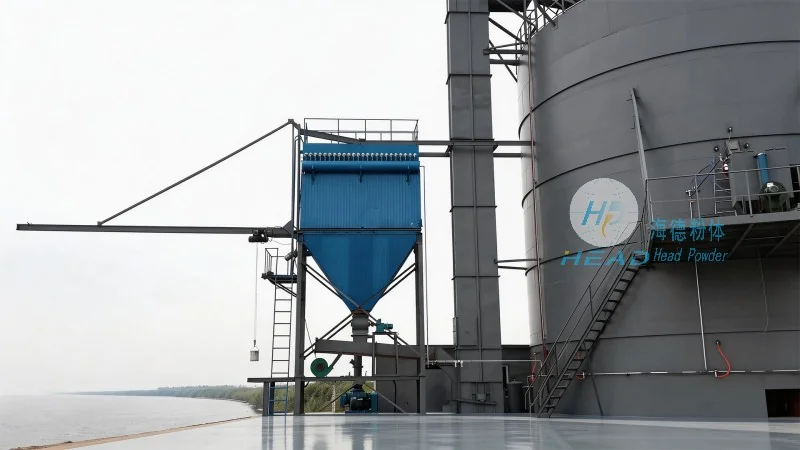
Third, the control system plays a vital role in optimizing the operation of the conveying line. Modern systems often include sensors, variable frequency drives (VFDs), and programmable logic controllers (PLCs) that monitor and adjust the speed of conveyors, the flow rate of feeders, and the pressure in pneumatic systems. This automation ensures that the line operates at peak efficiency, reducing energy consumption and preventing overloading or underloading of components. HeadPowder integrates advanced control technologies to provide real-time monitoring and predictive maintenance capabilities, enhancing the overall reliability of the system.
Key Components and Their Functions
A typical dolomite material conveying line consists of several key components, each playing a specific role in the material handling process. The primary components include:
1. Feeder: The feeder is the first component that receives dolomite from the storage silo or hopper. It ensures a uniform and controlled flow of material into the conveyor system. HeadPowder offers various types of feeders, such as rotary valves and vibratory feeders, which can handle different material characteristics and flow rates. These feeders are designed to minimize material bridging and segregation, ensuring consistent feed to the conveyor.
2. Conveyor: The conveyor is the core component responsible for transporting dolomite over the required distance. Belt conveyors are commonly used for horizontal or slight incline transport due to their high load capacity and ability to handle abrasive materials like dolomite. The belt is typically made of durable materials, such as rubber or PVC, to withstand the wear and tear from the mineral particles. Screw conveyors are used for vertical or horizontal transport, especially in confined spaces. They consist of a rotating screw inside a trough, which moves the material forward. Pneumatic conveyors use air pressure to move fine dolomite powders through pipes, making them suitable for applications where dust control is critical.
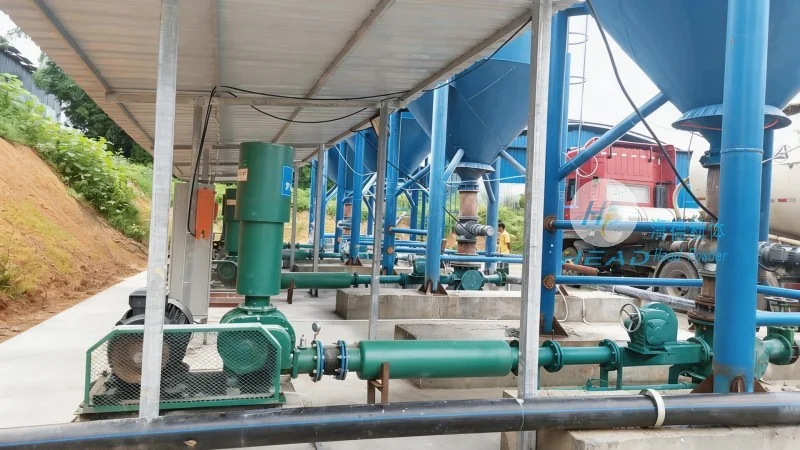
3. Chute and Hopper: Chutes and hoppers are used to direct the material from the feeder to the conveyor and to store excess material. They are designed to minimize material spillage and ensure smooth transition between components. The design of chutes and hoppers is crucial to prevent material buildup and blockages, which can lead to system downtime. HeadPowder’s chutes are often equipped with wear-resistant liners to extend their service life.
4. Control System: The control system manages the operation of the entire conveying line. It includes sensors that monitor the material level in hoppers, the speed of conveyors, and the pressure in pneumatic systems. Variable frequency drives (VFDs) adjust the speed of motors based on the load, optimizing energy use. Programmable logic controllers (PLCs) coordinate the operation of all components, ensuring that the system runs smoothly and safely. Modern control systems also include diagnostic features that alert operators to potential issues, allowing for proactive maintenance and reducing unplanned downtime.
Advantages of Using a Dolomite Material Conveying Line
Implementing a dolomite material conveying line offers several advantages for industrial operations. First, it significantly improves material handling efficiency by automating the transport process. Manual handling of dolomite is labor-intensive and prone to errors, while automated systems ensure consistent and reliable material flow. This leads to increased productivity and reduced labor costs.
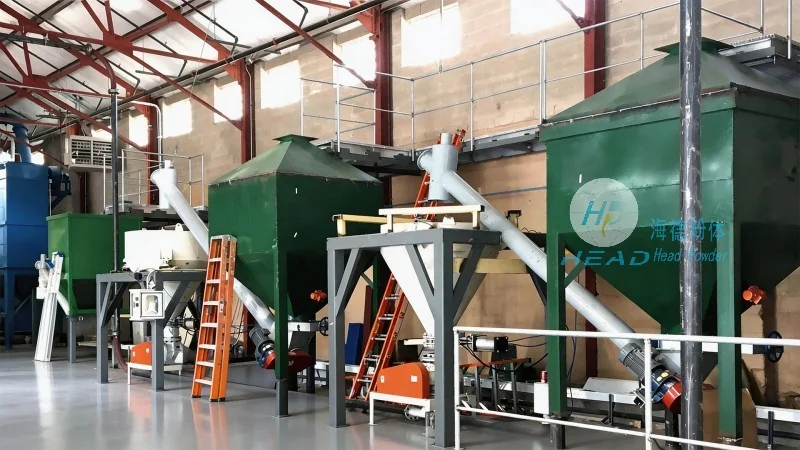
Second, the system enhances safety by minimizing human exposure to the material. Dolomite, like other minerals, can be dusty and may cause respiratory issues if inhaled. A well-designed conveying line with enclosed systems and proper ventilation reduces dust exposure, creating a safer working environment. Additionally, automated controls prevent accidental overloading or misoperation, which can cause equipment damage or injury.
Third, the conveying line reduces material loss and contamination. Manual handling often results in spillage and mixing with other materials, which can affect the quality of the final product. Automated systems with sealed components and controlled flow minimize these issues, ensuring that the dolomite remains pure and free from contaminants. This is particularly important in industries where material purity is critical, such as in the production of cement or steel.
Fourth, the system improves energy efficiency. Modern conveying lines, especially those equipped with VFDs, adjust motor speeds based on the load, reducing energy consumption compared to traditional systems that run at constant speeds. This not only lowers operational costs but also contributes to environmental sustainability by reducing energy waste.
Conclusion
Dolomite material conveying lines are essential components in industries that rely on dolomite as a raw material. The design principles and components of these systems are tailored to the unique properties of dolomite, ensuring efficient and safe material transport. Companies like HeadPowder Engineering Co., Ltd., based in Shandong, China, specialize in providing customized conveying solutions that meet the specific needs of their clients. By investing in a well-designed dolomite material conveying line, industrial operations can enhance productivity, improve safety, and reduce costs, ultimately contributing to the overall success of their business.




