HeadPowder, a leading provider in the field of powder handling solutions, specializes in advanced air-pneumatic conveying systems designed for efficient and reliable transport of glycine powder. This article delves into the fundamental principles of this technology and explores the key application scenarios where such systems excel. By understanding the mechanics behind air-pneumatic conveying and its practical implementation, industries can optimize their material handling processes, enhance operational efficiency, and ensure product integrity throughout the conveying cycle.
Core Principles of Air-Pneumatic Conveying
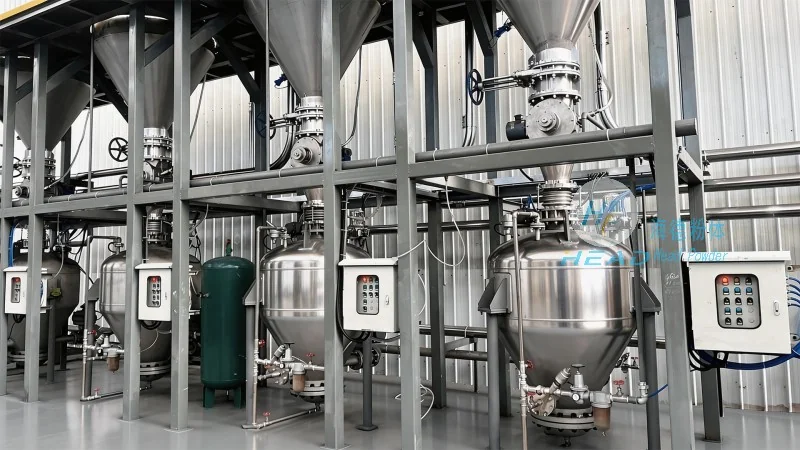
The air-pneumatic conveying system operates on the principle of using compressed air to move particulate materials like glycine powder through a pipeline. This method involves creating a pressure differential between the conveying line and the ambient environment, which propels the powder particles forward. There are two primary modes of operation: dilute-phase and dense-phase conveying. Dilute-phase systems utilize low air-to-solid ratios, allowing for high-velocity transport over long distances with minimal pressure drops. In contrast, dense-phase conveying employs higher air-to-solid ratios, resulting in slower, more controlled movement that reduces product degradation and equipment wear. For glycine powder, the choice between these modes depends on factors such as particle size, moisture content, and the required distance between the source and destination.
Key Components and Their Functions
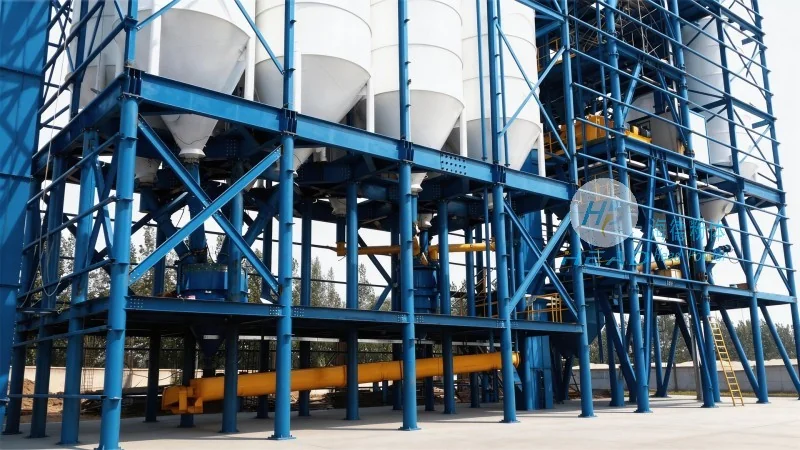
Effective air-pneumatic conveying for glycine powder relies on several critical components working in harmony. The primary elements include a blower or compressor to generate the necessary airflow, a hopper or feeder to introduce the powder into the system, a conveying line (often made of stainless steel or other corrosion-resistant materials to prevent contamination), and a receiver or discharge device to collect the material at the end of the line. Additionally, control valves and filters are essential for regulating airflow and maintaining system cleanliness. The blower provides the motive force, while the feeder ensures a consistent feed rate, preventing blockages or uneven flow. The conveying line’s design, including its diameter and length, directly impacts the system’s performance, as excessive pressure drops can lead to reduced efficiency or system failure. Proper filtration is crucial to remove dust and debris, protecting both the equipment and the product from contamination.
Application Scenarios in Industrial Settings
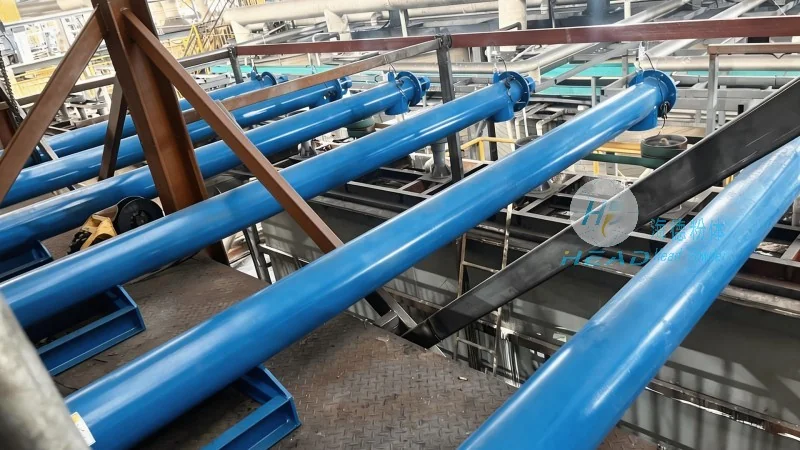
HeadPowder’s air-pneumatic conveying systems are widely applied in various industrial environments where glycine powder handling is critical. One common scenario is in pharmaceutical manufacturing, where precise and contamination-free transport of raw materials is paramount. The systems are used to move glycine from storage silos to mixing and processing units, ensuring that the powder remains free from moisture and other contaminants that could affect product quality. Another key application is in chemical processing facilities, where glycine is used as an intermediate in the production of various compounds. Here, the air-pneumatic system facilitates the transfer of powder between reactors, storage tanks, and packaging lines, maintaining a controlled environment that minimizes product degradation. Additionally, in agricultural and food processing industries, the technology is employed to transport glycine for use as a feed additive or in the production of animal feed. The systems are designed to handle bulk quantities efficiently while adhering to strict hygiene standards, making them suitable for food-grade applications. Each of these scenarios leverages the advantages of air-pneumatic conveying, such as reduced labor costs, minimized product loss, and improved safety compared to traditional mechanical conveying methods.
Advantages and Considerations for Glycine Powder Handling
When implementing air-pneumatic conveying for glycine powder, several advantages and considerations must be taken into account. The primary benefits include the ability to transport materials over long distances without the need for intermediate storage or handling, which reduces operational costs and improves process continuity. The system also offers better control over particle flow, preventing segregation and ensuring uniform product distribution. Additionally, air-pneumatic conveying is generally more hygienic and less prone to product contamination compared to mechanical systems, which is critical for sensitive materials like glycine. However, there are also challenges to consider, such as the need for proper maintenance to prevent air leaks or pressure drops, and the potential for product degradation if the conveying velocity is too high or the system is not properly designed. For glycine powder, which is hygroscopic and can absorb moisture from the air, the system must be equipped with moisture control measures, such as desiccant filters or enclosed conveying lines, to maintain product quality. Furthermore, the selection of the appropriate conveying mode (dilute or dense-phase) is crucial, as it directly impacts the system’s efficiency and the condition of the transported material. By carefully evaluating these factors, industries can select the most suitable air-pneumatic conveying system for their specific glycine powder handling needs.
Conclusion and Future Outlook
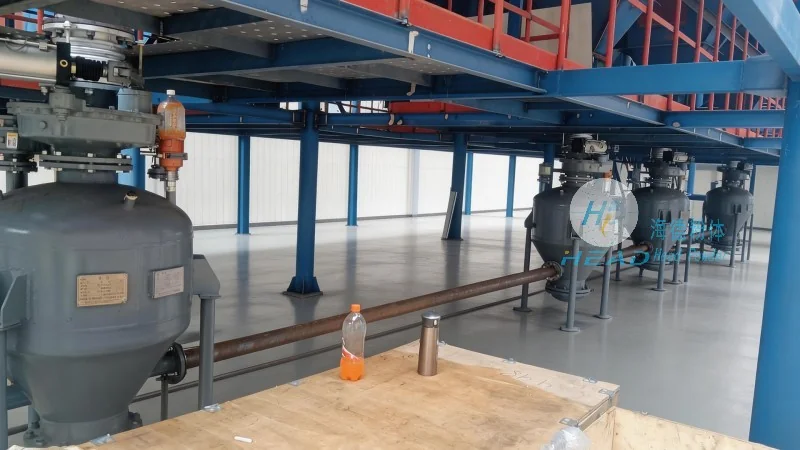
HeadPowder Engineering Co., Ltd., based in Shandong, China, continues to innovate in the development of air-pneumatic conveying solutions tailored to the unique requirements of glycine powder handling. The principles and application scenarios discussed in this article highlight the effectiveness of this technology in improving operational efficiency, product quality, and safety in various industrial settings. As industries increasingly prioritize sustainable and efficient material handling practices, air-pneumatic conveying remains a viable and often preferred solution for transporting glycine powder. With ongoing advancements in system design and control technology, the future of air-pneumatic conveying for glycine powder looks promising, with continued improvements in performance, reliability, and environmental sustainability. By leveraging the expertise of companies like HeadPowder, industries can achieve optimal powder handling solutions that meet their specific operational and quality standards.




