

What is a Dry Mix Mortar Material Conveying Line? And What Are Its Design Principles?
Dry mix mortar material conveying lines are critical components in the dry mix mortar production industry. These systems are engineered to efficiently transport raw materials and finished products through a series of interconnected processes, ensuring seamless operation and high productivity in mortar manufacturing facilities. The primary objective of such a line is to integrate various equipment, including hoppers, conveyors, mixers, and storage silos, into a unified system that meets the specific demands of dry mix mortar production. By doing so, the line facilitates the smooth flow of materials from raw input to finished product, minimizing downtime and maximizing output efficiency.
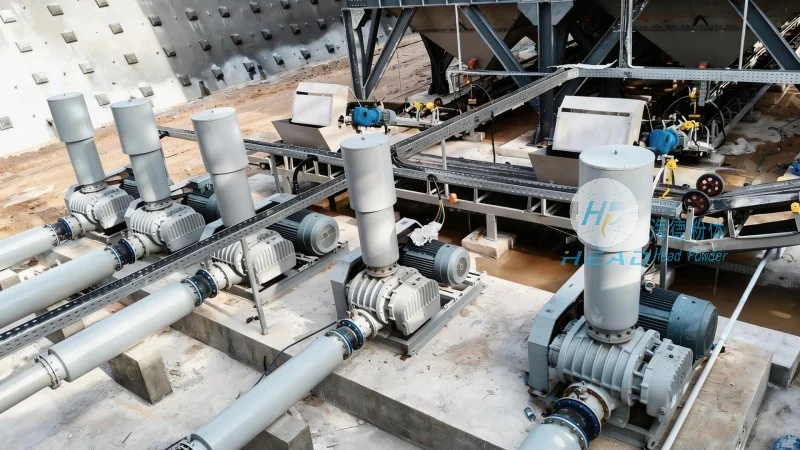
About Shandong HeadPowder Engineering Co., Ltd.
Shandong HeadPowder Engineering Co., Ltd., commonly known as headpowder, is a leading manufacturer specializing in the design and production of industrial equipment for the construction materials sector. With a strong presence in China, particularly in Shandong province, the company has established itself as a trusted provider of high-quality conveying and processing systems for dry mix mortar applications. HeadPowder's commitment to innovation and quality ensures that their products meet the rigorous standards required by modern mortar manufacturing facilities.
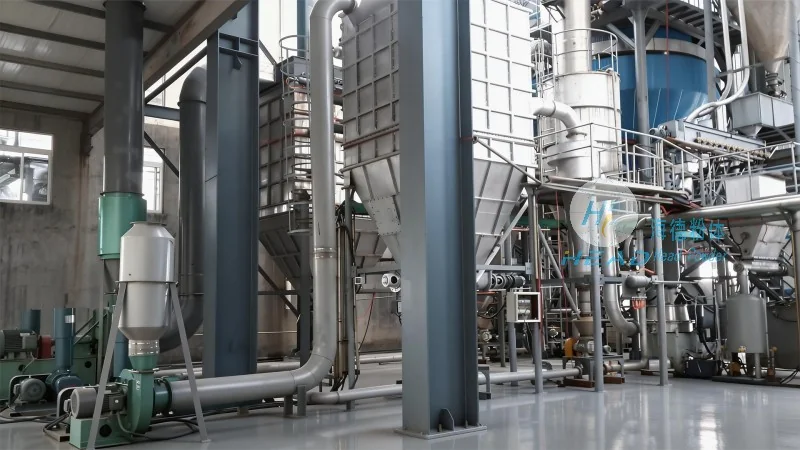
Design Principles of Dry Mix Mortar Material Conveying Lines
The design of a dry mix mortar material conveying line is guided by several fundamental principles to ensure optimal performance and reliability. First, the system must be capable of handling diverse raw materials, such as cement, sand, lime, and various additives, with minimal segregation or loss. This is achieved through the use of specialized hoppers and feeders that precisely control the flow of materials, preventing clumping or uneven distribution. Second, the conveying system must maintain the homogeneity of the mixture, which is crucial for achieving consistent product quality. This is typically accomplished by integrating continuous or batch mixing processes directly with the conveying line, ensuring that all components are thoroughly combined before reaching the final storage or packaging stage. Third, the design must consider the spatial constraints and operational environment of the production facility, ensuring that the line can be installed and operated efficiently without causing disruptions to other processes. Additionally, the system should incorporate safety features and monitoring systems to prevent accidents and ensure compliance with industry safety standards.
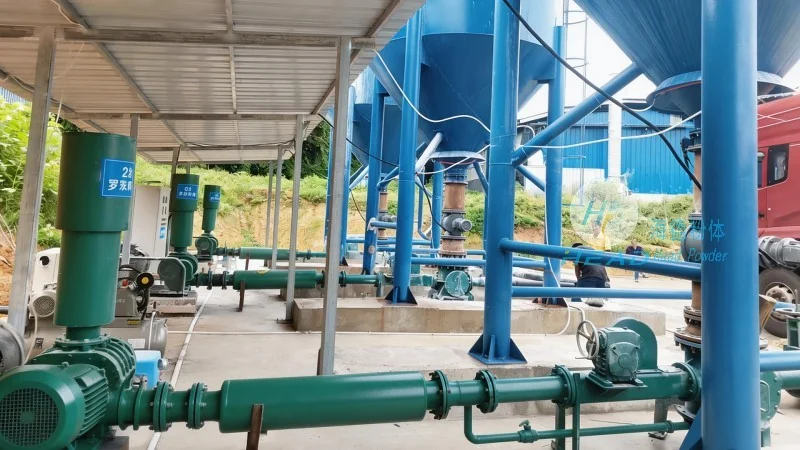
Key Components and Their Functions
A dry mix mortar material conveying line typically consists of several key components, each playing a vital role in the overall operation. The primary components include material hoppers, which store raw materials and feed them into the system; conveyor systems, such as belt conveyors or screw conveyors, which transport materials through the line; mixing units, which combine the raw materials into a uniform mixture; and storage silos or bulk containers, which hold the finished dry mix mortar for subsequent use. Each component is carefully designed and integrated to work in harmony, ensuring that the entire system operates smoothly and efficiently. For example, the hoppers are equipped with level sensors and flow control valves to regulate the input of materials, while the conveyors are designed to handle the specific characteristics of each raw material, such as particle size and moisture content. The mixing units are often equipped with high-speed agitators or paddle mixers to ensure thorough blending, and the storage silos are designed to maintain the quality of the dry mix mortar by preventing moisture absorption or segregation.
Advantages of Using a Dry Mix Mortar Material Conveying Line
Implementing a dry mix mortar material conveying line offers numerous advantages for mortar manufacturing facilities. One of the most significant benefits is the improvement in production efficiency and output capacity. By automating the material handling and mixing processes, the line reduces the need for manual labor and minimizes the risk of human error, leading to higher productivity and lower operational costs. Additionally, the system enhances product quality by ensuring consistent mixing and uniform distribution of components, which directly impacts the performance and durability of the final dry mix mortar products. Another advantage is the space efficiency of the system, as it can be designed to fit into existing production facilities without requiring extensive modifications. This makes it an ideal solution for both new and existing mortar manufacturing plants. Furthermore, the use of advanced monitoring and control systems allows for real-time tracking of the production process, enabling quick adjustments to maintain optimal performance and product quality.
Conclusion
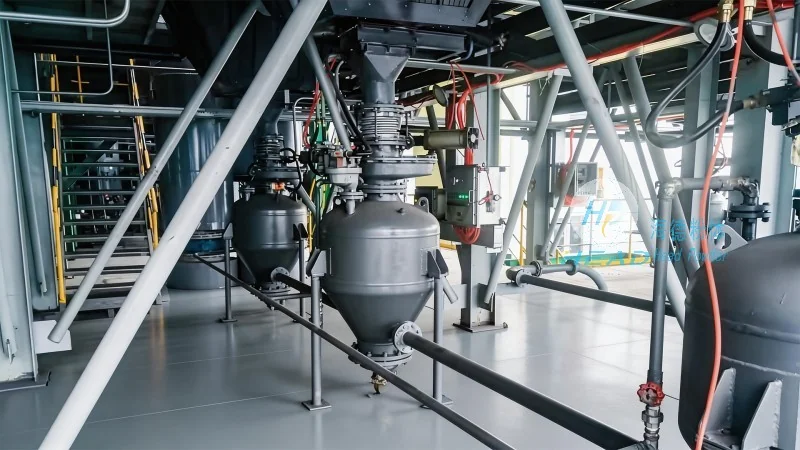
In conclusion, a dry mix mortar material conveying line is a sophisticated and essential system in the dry mix mortar industry. Its design principles focus on efficiency, quality, and reliability, ensuring that raw materials are transported and mixed effectively to produce high-quality dry mix mortar products. Companies like Shandong HeadPowder Engineering Co., Ltd. play a crucial role in providing these advanced systems, helping mortar manufacturers enhance their production capabilities and meet the growing demand for high-performance construction materials. By understanding the design principles and key components of such a line, manufacturers can make informed decisions to optimize their production processes and improve overall operational performance.