When it comes to processing agricultural products, especially corn, efficient material handling is crucial for optimizing production efficiency and ensuring smooth workflow. A corn material conveying line is a specialized system designed to transport corn and related byproducts from one stage of processing to another. This system integrates various components such as hoppers, conveyors, elevators, and storage bins to create a seamless flow of material. Understanding the design principles behind these lines is essential for selecting the right equipment for specific agricultural processing needs.
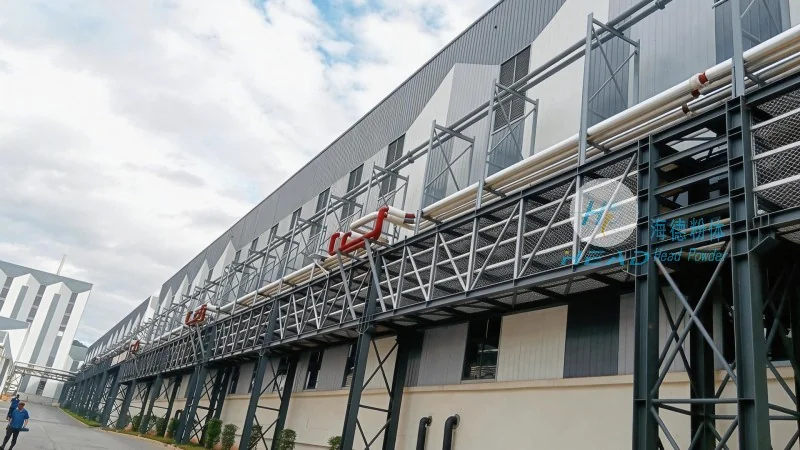
Understanding the Core Components of a Corn Material Conveying Line
The effectiveness of a corn material conveying line relies on its integrated components, each playing a vital role in the overall operation. The primary components typically include feed hoppers, which are used to collect and store raw corn before it enters the conveying system. These hoppers are designed with sloped sides to facilitate the flow of corn into the conveyor mechanisms. From there, various types of conveyors, such as belt conveyors, screw conveyors, or bucket elevators, transport the corn through the processing facility. Each component is carefully engineered to handle the specific characteristics of corn, including its size, moisture content, and density. The design of these components must consider factors like material compatibility, durability, and ease of maintenance to ensure long-term reliability.
Design Principles for Efficient Corn Material Handling
Efficient design of a corn material conveying line is guided by several key principles aimed at maximizing throughput, minimizing energy consumption, and ensuring safety. One of the fundamental principles is the principle of gravity-assisted flow, where the layout of the system is designed to allow materials to move downward or along gentle slopes, reducing the need for excessive mechanical power. This approach not only saves energy but also minimizes wear and tear on the equipment. Another critical principle is the use of appropriate conveyor types for specific material characteristics. For example, belt conveyors are ideal for transporting large quantities of corn over long distances, while screw conveyors are better suited for vertical lifting or handling bulk materials in confined spaces. The selection of components is also influenced by the processing stage, as different parts of the corn may require different handling methods, such as cleaning, drying, or grinding.
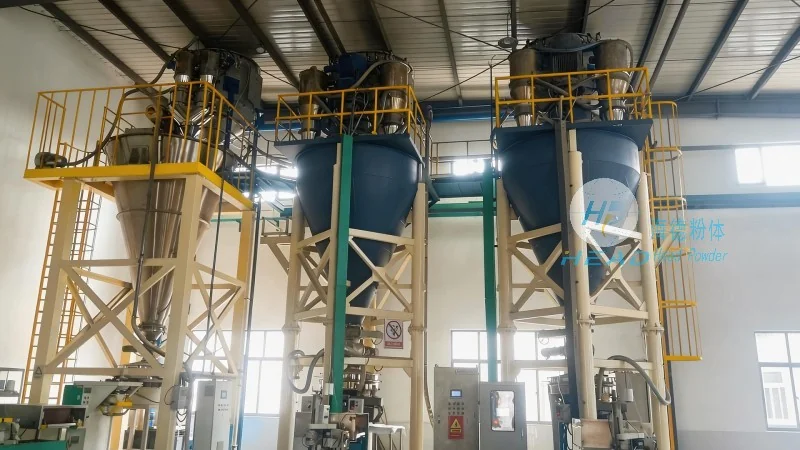
The Role of Material Flow and System Integration
A well-designed corn material conveying line ensures that material flow is continuous and unobstructed. This involves creating a logical sequence of operations, from raw material intake to final product output. The system must be integrated with other processing equipment, such as cleaning machines, dryers, and grinders, to form a cohesive production line. Proper integration minimizes bottlenecks and ensures that each stage operates at its optimal capacity. Additionally, the design considers the need for flexibility, allowing the system to adapt to varying production volumes or different types of corn. This adaptability is achieved through features like adjustable conveyor speeds, multiple inlet and outlet points, and modular components that can be reconfigured as needed.
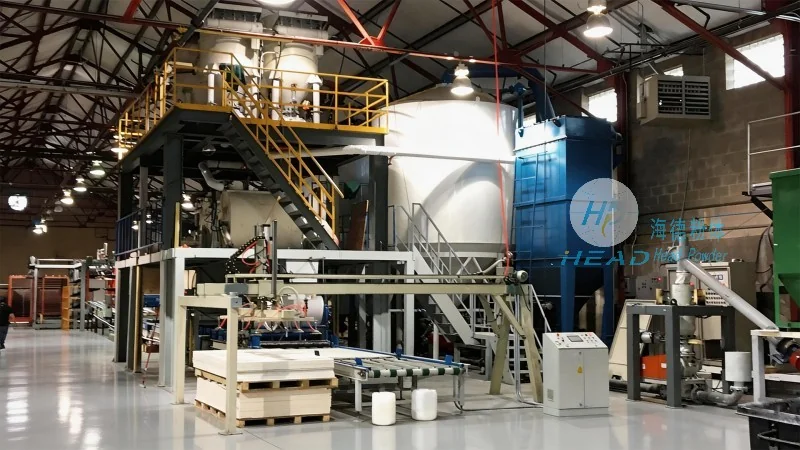
Engineering Considerations for Durability and Longevity
Given the abrasive nature of corn and its byproducts, the design of a corn material conveying line must prioritize durability and longevity. Materials used in the construction of components, such as hoppers, conveyors, and elevators, are typically made from corrosion-resistant and wear-resistant materials like stainless steel or high-grade alloys. These materials are chosen to withstand the constant impact and friction caused by moving corn. The design also includes features to prevent material buildup and blockages, such as self-cleaning mechanisms and adjustable speed controls. Regular maintenance is also a key part of the design philosophy, with easy access to components for inspection and repair. This approach ensures that the system operates reliably over its service life, reducing downtime and maintenance costs.
Case Study: A Typical Corn Processing Facility
Consider a typical corn processing facility in Shandong, China, operated by Shandong HeadPowder Engineering Co., Ltd. This facility utilizes a comprehensive corn material conveying line to handle raw corn from reception to the final product. The system includes large feed hoppers to store incoming corn, followed by a series of belt conveyors and bucket elevators that transport the corn to cleaning and drying stages. The design of this line is optimized for high throughput, with each component sized to handle the expected production volume. The integration of the conveying line with other processing equipment ensures a smooth flow of material, minimizing waste and maximizing efficiency. The facility’s engineers at Shandong HeadPowder have carefully considered the design principles discussed above, resulting in a system that meets the specific needs of corn processing while ensuring durability and reliability.




