Material conveying lines equipped with weighing and feeding mechanisms are critical components in various industrial processes, designed to ensure accurate material handling, consistent feeding rates, and efficient production flow. These systems integrate conveyor technology with precision weighing instruments to control the quantity of material being transported and delivered. The core function of such lines is to provide a reliable method for transporting bulk materials while maintaining the required weight or flow rate, which is essential for applications ranging from manufacturing to mining and processing industries.
Principle of Operation for Weighing and Feeding Conveying Systems
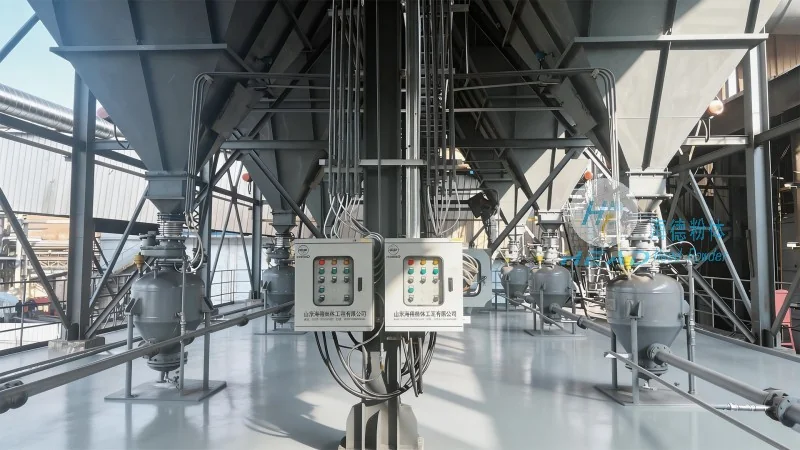
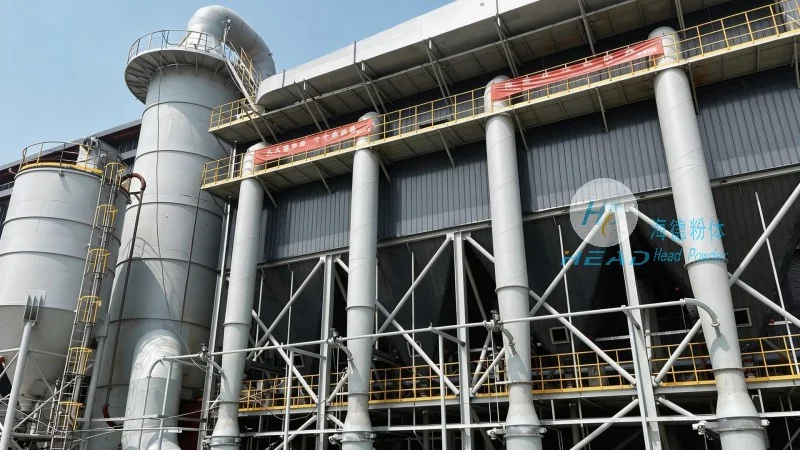
The fundamental principle behind weighing and feeding material conveying lines revolves around the integration of conveyor motion with real-time weight measurement. Typically, these systems consist of a conveyor belt or other transport mechanism that moves material from a storage or processing area to a target destination. Embedded within the conveyor or adjacent to it are load cells or other weighing sensors that continuously monitor the weight of the material on the belt. As material is conveyed, the weight data is transmitted to a control system, which adjusts the conveyor speed or feeding rate to maintain the desired output. This closed-loop control ensures that the material is delivered at a consistent rate, preventing overfeeding or underfeeding that could disrupt downstream processes. The system may also include additional components like hoppers, feeders, and control panels to manage the flow and distribution of material, enhancing overall operational efficiency.
Key Working Scene Characteristics and Applications
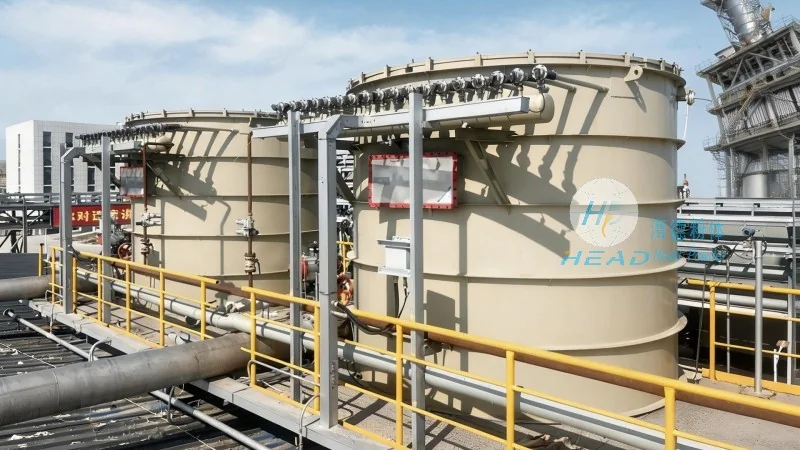
Weighing and feeding material conveying lines are widely utilized across diverse industrial settings, each with unique characteristics that define their operational requirements. In manufacturing environments, these systems are often employed in the production of powders, granules, or other bulk materials where precise dosing is critical for product quality and consistency. For example, in the food and pharmaceutical industries, accurate feeding of raw materials is essential to meet regulatory standards and ensure product safety. In mining and mineral processing, these lines help manage the transport of ore or crushed materials, optimizing the extraction and processing of valuable resources. The working scene characteristics include high throughput requirements, the need for consistent material flow, and the integration with other processing equipment. Additionally, these systems are designed to handle a variety of material types, from fine powders to larger granules, and can be customized to fit specific plant layouts and operational needs. The adaptability of weighing and feeding conveying lines makes them suitable for both new installations and retrofits in existing facilities, providing a cost-effective solution for improving material handling efficiency.
Company Overview: Shandong HeadPowder Engineering Co., Ltd.
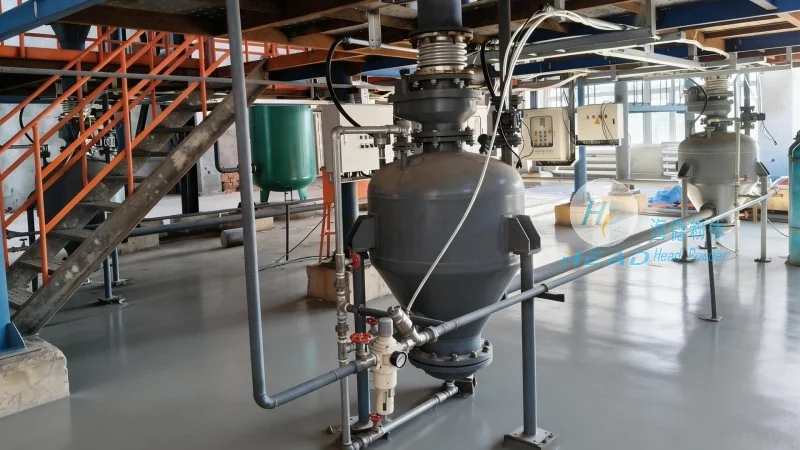
Shandong HeadPowder Engineering Co., Ltd., operating under the brand name headpowder, specializes in the design, manufacturing, and integration of advanced material conveying systems. With a focus on precision and reliability, the company provides tailored solutions for industries requiring accurate material handling and feeding. Headpowder's expertise lies in developing custom conveying lines that meet specific operational demands, ensuring optimal performance and longevity. The company's facilities are located in Shandong, China, where it leverages local manufacturing capabilities and industry knowledge to deliver high-quality products. By combining technical innovation with practical application, headpowder aims to enhance the efficiency and productivity of its clients' operations, supporting their growth and success in competitive markets.




