Understanding the operation process and working principle of sodium chlorate powder conveying systems is crucial for industries that handle this chemical. Sodium chlorate is a white crystalline solid commonly used in various applications, including pulp and paper production, chemical synthesis, and as a bleaching agent. The efficient and safe transportation of sodium chlorate powder is essential to maintain production efficiency and ensure workplace safety. This article provides a detailed overview of the operational aspects and underlying principles of sodium chlorate powder conveying systems.
Key Components of Sodium Chlorate Powder Conveying Systems
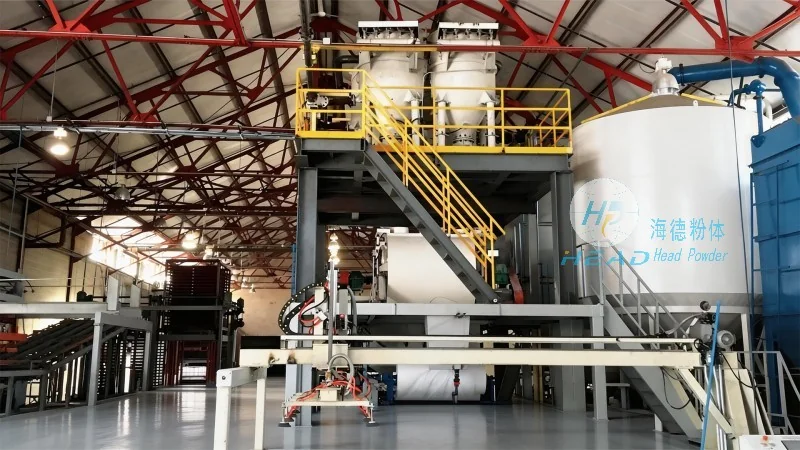
The sodium chlorate powder conveying system typically consists of several key components that work in tandem to transport the material from the storage area to the processing equipment. The primary components include a hopper for material storage, a feeder to control the flow rate, a conveyor system (such as a screw conveyor or pneumatic conveyor), and a control panel for monitoring and adjusting the operation. Each component plays a vital role in ensuring the smooth and reliable operation of the system.
Operation Process of Sodium Chlorate Powder Conveying
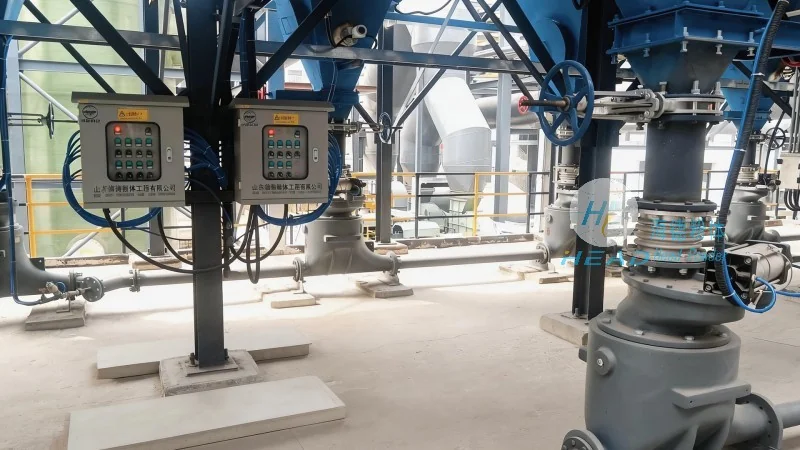
The operation process of a sodium chlorate powder conveying system begins with the material being loaded into the hopper. The hopper is designed to hold a sufficient quantity of sodium chlorate to maintain a consistent flow to the feeder. The feeder, often a rotary valve or a screw feeder, regulates the flow rate of the powder into the conveyor system. The conveyor system then transports the sodium chlorate powder to the processing equipment, such as a mixer or a reactor. The entire process is controlled by a programmable logic controller (PLC) or a similar control system, which monitors parameters like flow rate, pressure, and temperature to ensure optimal performance.
Working Principle of Sodium Chlorate Powder Conveying
The working principle of sodium chlorate powder conveying systems is based on the principles of fluidization and mechanical transport. In a mechanical conveyor system, the powder is moved by the rotation of a screw or the movement of a belt, which applies a force to the material and causes it to move forward. The hopper and feeder ensure that the powder is fed at a controlled rate, preventing overloading or underloading of the conveyor. In pneumatic conveying systems, the powder is transported using compressed air, which creates a flow of air and powder mixture through a pipeline. The pressure and velocity of the air are carefully controlled to maintain the stability of the powder and prevent clogging or segregation.
Importance of Proper Design and Maintenance
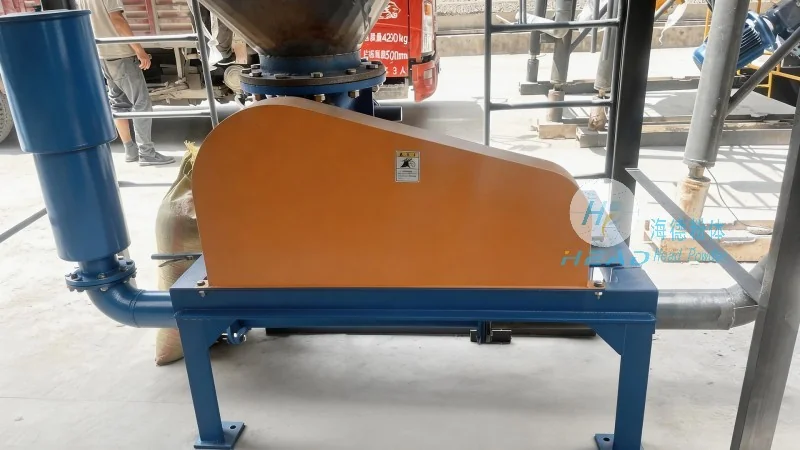
Proper design and regular maintenance of sodium chlorate powder conveying systems are critical to ensure their long-term performance and safety. The system must be designed to handle the specific properties of sodium chlorate, such as its tendency to be hygroscopic or its potential to cause dust explosions. This includes using appropriate materials for the hopper and conveyor, such as stainless steel or corrosion-resistant alloys, to prevent contamination and degradation of the material. Regular maintenance, including cleaning, lubrication, and inspection of components, is essential to prevent wear and tear and ensure the system operates efficiently.
Applications of Sodium Chlorate Powder Conveying
Sodium chlorate powder conveying systems are widely used in various industries due to the versatility of sodium chlorate. In the pulp and paper industry, sodium chlorate is used as a bleaching agent and is transported to the bleaching process. In chemical synthesis, it is used as an oxidizing agent and is conveyed to reactors for further processing. The efficient transportation of sodium chlorate is essential to maintain the production schedule and ensure the quality of the final product. Companies like Shandong HeadPowder Engineering Co., Ltd. specialize in designing and manufacturing customized conveying systems tailored to the specific needs of their clients, ensuring reliable and safe operation.




