At Shandong HeadPowder Engineering Co., Ltd., we specialize in the design and implementation of efficient powder conveying systems tailored for rice bran applications. Our expertise lies in understanding the unique challenges associated with handling fine, lightweight powders like rice bran, ensuring reliable and consistent material transport from source to destination. This article delves into the operational mechanics and underlying principles that govern the successful conveyance of rice bran powder, highlighting key components and processes involved in the system.
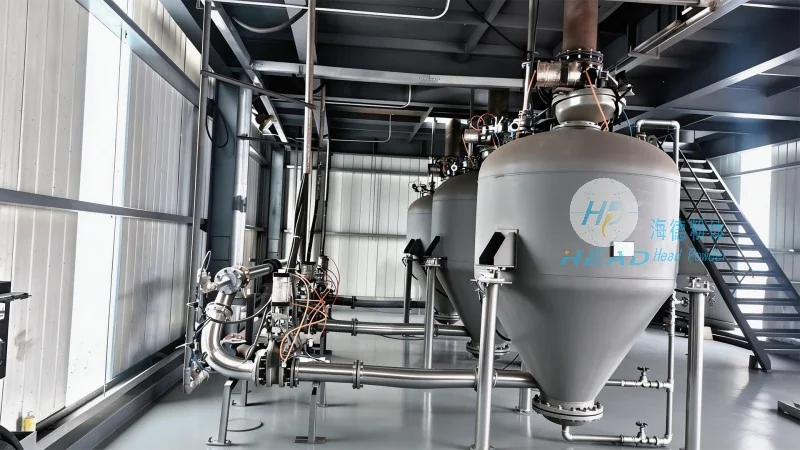
Key Components of Rice Bran Powder Conveying Systems
The core of any rice bran powder conveying system comprises several critical components that work in synergy to achieve seamless material movement. These include feed hoppers, conveying equipment (such as screw conveyors, pneumatic systems, or bucket elevators), control mechanisms, and discharge units. Each component is meticulously designed to address the specific properties of rice bran, including its fine particle size, low bulk density, and potential for static charge accumulation. For instance, feed hoppers are often equipped with level sensors and aeration systems to prevent bridging and ensure uniform material flow. Conveying equipment is selected based on the required capacity, distance, and environmental conditions, with considerations for material compatibility and energy efficiency.
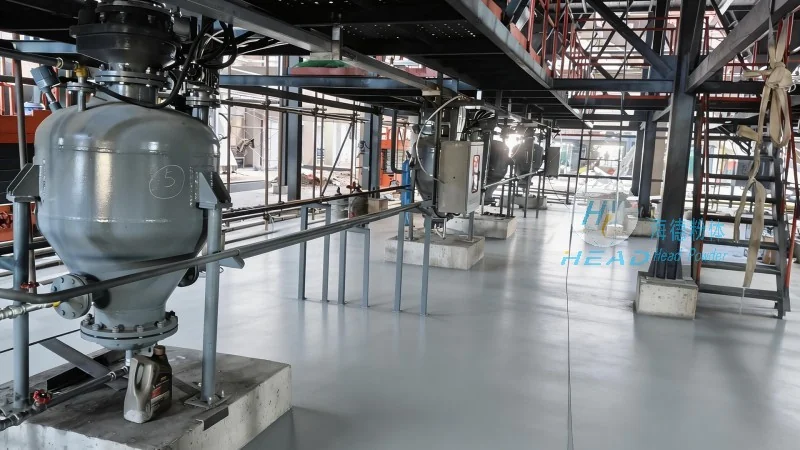
Operation Process of Rice Bran Powder Conveying
The operation process of rice bran powder conveying typically begins with the loading of rice bran into the feed hopper. The material is then fed into the conveying system, where it is transported through the chosen equipment. For screw conveyors, the rotating screw pushes the powder forward, while pneumatic systems use air pressure to move the material in a pipeline. During the conveying process, the system monitors key parameters such as flow rate, pressure, and temperature to maintain optimal performance. Any deviations are immediately detected and corrected by the control system, ensuring continuous and stable operation. The discharge unit then delivers the rice bran to the intended destination, such as a storage silo or processing unit.
Working Principle of Rice Bran Powder Conveying
The working principle of rice bran powder conveying is based on the fundamental physics of material movement, leveraging forces like gravity, pressure, and mechanical action. In gravity-based systems, the powder flows downward due to gravitational force, while in mechanical systems, the conveying equipment applies a continuous force to move the material. Pneumatic systems, for example, rely on the pressure difference between the inlet and outlet of the pipeline to propel the powder. The key to efficient conveying lies in maintaining a consistent flow rate and preventing blockages or clogging, which can occur due to the fine particle size and tendency of rice bran to agglomerate. To mitigate these issues, the system incorporates features like vibration feeders, air classifiers, and anti-static measures to ensure smooth operation.
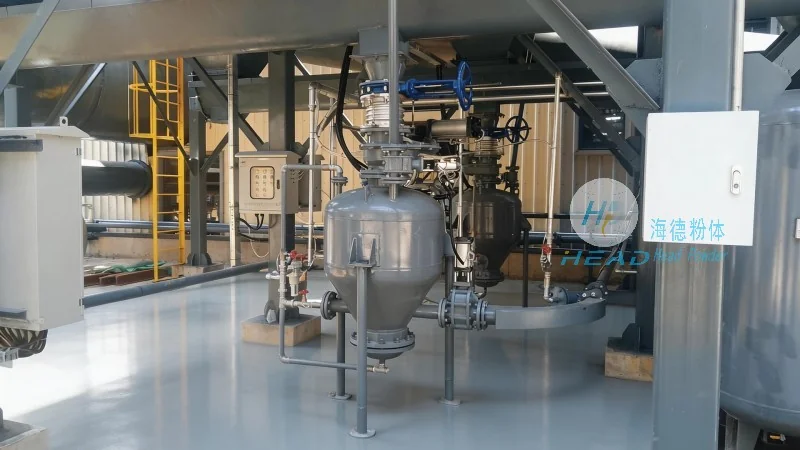
Company Information and Expertise
Shandong HeadPowder Engineering Co., Ltd. is a leading provider of powder handling solutions, with a strong focus on the agricultural and food processing industries. Our team of engineers and technicians brings extensive experience in designing and implementing customized conveying systems for rice bran and other fine powders. With a commitment to quality and innovation, we ensure that our systems meet the highest standards of efficiency, reliability, and safety. Our headquarters is located in Shandong, China, where we maintain state-of-the-art facilities for research, development, and manufacturing. We pride ourselves on delivering tailored solutions that address the unique needs of our clients, helping them optimize their production processes and enhance overall operational performance.




