Tungsten carbide, a hard and durable material widely used in industrial applications, requires specialized handling and transportation systems to ensure efficiency and safety. The principles of tungsten carbide material handling revolve around understanding the material's physical properties and designing systems that can manage its unique characteristics. Key factors include the material's density, abrasiveness, and potential for generating dust or debris during transport. Effective material handling solutions must address these challenges while maintaining the integrity of the tungsten carbide products. As a leading provider of engineering solutions, Shandong HeadPowder Engineering Co., Ltd. specializes in developing tailored material handling systems for industries that rely on tungsten carbide.
Core Principles of Tungsten Carbide Material Transport
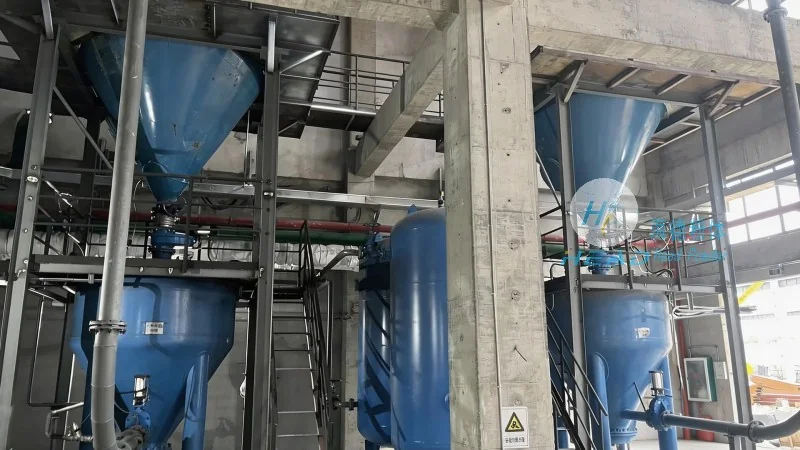
The fundamental principles of tungsten carbide material handling involve selecting appropriate equipment and processes that minimize wear and tear on both the material and the handling machinery. This includes the use of high-quality, wear-resistant components such as conveyor belts, buckets, and hoppers made from materials like stainless steel or specialized alloys. The design of the transport system also considers the flow dynamics of the material, ensuring smooth and continuous movement without blockages or segregation. Additionally, safety protocols are critical, as tungsten carbide particles can be hazardous if inhaled or if they cause mechanical injuries. Proper ventilation and dust control measures are integral to any material handling operation involving tungsten carbide.
Key Components in Tungsten Carbide Material Handling
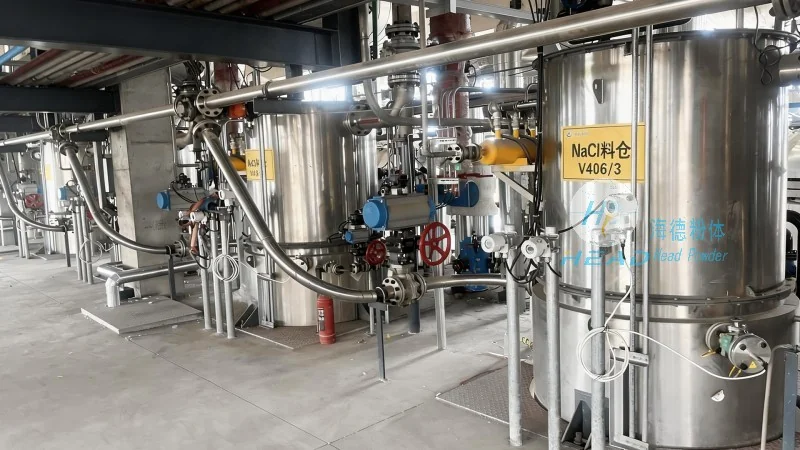
Several key components are essential for the efficient operation of tungsten carbide material handling systems. These include bulk material conveyors, which can be belt-driven or screw-driven, depending on the specific application. For vertical transport, bucket elevators or vertical screw conveyors are commonly used to move material from lower to higher levels. Hoppers and chutes are also vital for directing the flow of material into processing equipment or storage areas. The selection of these components is based on factors such as the volume of material to be handled, the distance of transport, and the required speed of operation. Each component must be designed to withstand the abrasive nature of tungsten carbide, ensuring long-term reliability and minimal maintenance.
Application Scenarios and Operational Environments
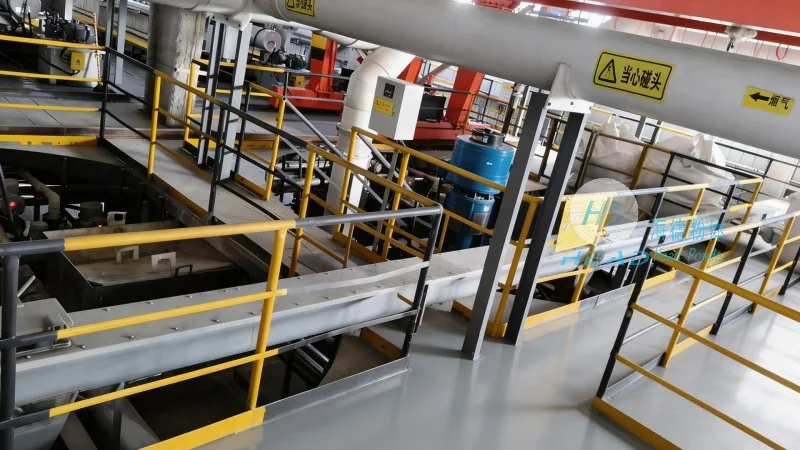
Tungsten carbide material handling systems are employed in a variety of industrial settings, each with distinct operational requirements. In mining and mineral processing facilities, these systems are used to transport raw tungsten ore and processed carbide powders. The harsh conditions of these environments demand robust equipment capable of withstanding heavy loads and abrasive conditions. In manufacturing plants, tungsten carbide is used in cutting tools, wear parts, and other components, and the material handling systems must ensure that these finished products are moved safely and efficiently from production lines to storage or packaging areas. Additionally, in research and development facilities, specialized handling equipment is used to process and transport fine tungsten carbide powders for laboratory testing and prototyping. Each application scenario requires tailored solutions that address the specific challenges of the environment and the material being handled.
Case Studies and Real-World Examples
Real-world applications of tungsten carbide material handling systems provide insights into their effectiveness and adaptability. For instance, a large-scale tungsten mining operation in China utilizes a combination of belt conveyors and bucket elevators to transport ore from open-pit mines to processing plants. The system has been optimized to handle the high volume of material while minimizing downtime due to equipment wear. In a manufacturing facility producing tungsten carbide cutting tools, an automated conveyor system is used to move finished tools from the production line to quality control and packaging stations. This system not only improves efficiency but also reduces the risk of manual handling injuries. These examples illustrate how tailored material handling solutions can enhance productivity and safety in industrial operations involving tungsten carbide.
Conclusion and Future Trends
In conclusion, the principles and application scenarios of tungsten carbide material handling are critical to the success of industrial operations that rely on this valuable material. By understanding the unique properties of tungsten carbide and implementing specialized handling systems, companies can ensure efficient, safe, and cost-effective material transport. As technology advances, future trends may include the integration of automation and advanced materials in material handling equipment, further enhancing the performance and reliability of tungsten carbide handling systems. The continued development of such solutions will be essential for meeting the growing demand for tungsten carbide products in various industries.




