HeadPowder, a leading manufacturer in the field of pneumatic conveying systems, specializes in the efficient handling of bulk materials such as buckwheat hulls. This article provides a detailed exploration of the operation process and working principle of buckwheat hull pneumatic conveying, highlighting the technical aspects and practical applications of this advanced material transport technology.
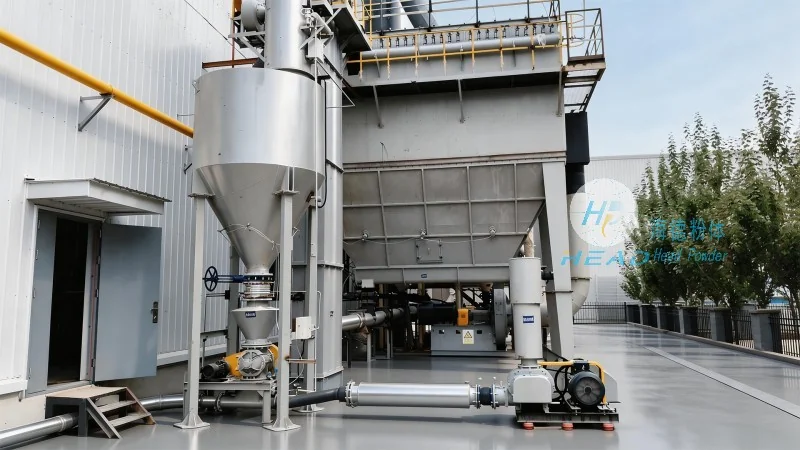
Understanding the Core Components of a Pneumatic Conveying System for Buckwheat Hulls
The pneumatic conveying system for buckwheat hulls typically consists of several key components that work in tandem to ensure smooth material transport. These components include a hopper for material storage, a rotary valve or feeder to control the flow of buckwheat hulls, a conveying pipeline, a pressure vessel or receiver to collect the conveyed material, and a blower or compressor that generates the necessary air flow. Each component plays a critical role in maintaining the efficiency and reliability of the system.
The Operation Process of Buckwheat Hull Pneumatic Conveying
The operation process of buckwheat hull pneumatic conveying involves several sequential steps that ensure the material is transported from the source to the destination without interruption. The process begins with the loading of buckwheat hulls into the hopper. The rotary valve or feeder then regulates the flow of the material into the conveying pipeline. Simultaneously, the blower or compressor generates a high-pressure air stream that is introduced into the pipeline. As the air flows through the pipeline, it carries the buckwheat hulls along with it, creating a mixture of air and material particles. The mixture travels through the pipeline to the pressure vessel or receiver, where the air is separated from the material. The separated material is then discharged from the receiver, while the air is either vented to the atmosphere or recirculated back into the system for energy efficiency.
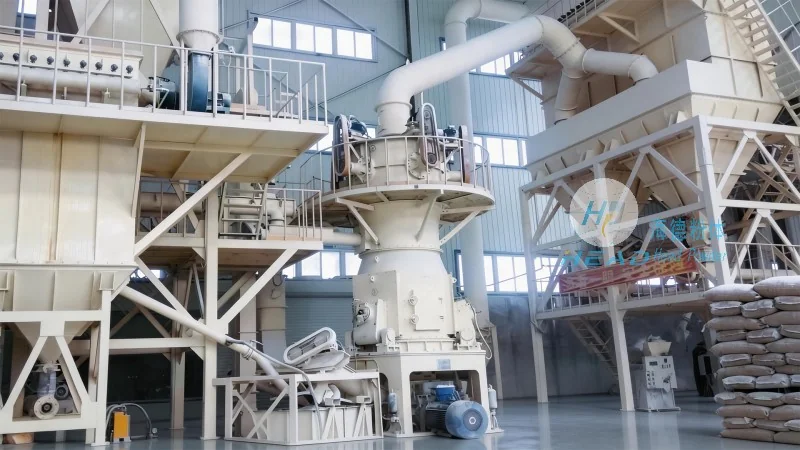
Working Principle of Pneumatic Conveying for Buckwheat Hulls
The working principle of buckwheat hull pneumatic conveying is based on the fundamental principle of fluid dynamics, where air is used as the medium to transport solid particles. The system operates under either positive pressure or negative pressure (or a combination of both), depending on the specific design and application requirements. In positive pressure systems, the blower or compressor supplies air under pressure into the conveying pipeline, pushing the material forward. In negative pressure systems, a vacuum is created at the receiver end, drawing the material and air mixture through the pipeline. The choice between positive and negative pressure systems depends on factors such as the distance of transport, the size and density of the material, and the overall system layout.
Key Advantages of Pneumatic Conveying for Buckwheat Hull Handling
Implementing a pneumatic conveying system for buckwheat hulls offers several significant advantages over traditional mechanical conveying methods. These advantages include reduced material handling costs, improved safety by eliminating the need for manual handling, enhanced hygiene and cleanliness in food processing applications, and increased system flexibility and scalability. Additionally, pneumatic conveying systems can handle a wide range of material characteristics, including varying particle sizes, moisture content, and bulk density, making them suitable for diverse buckwheat hull processing operations.
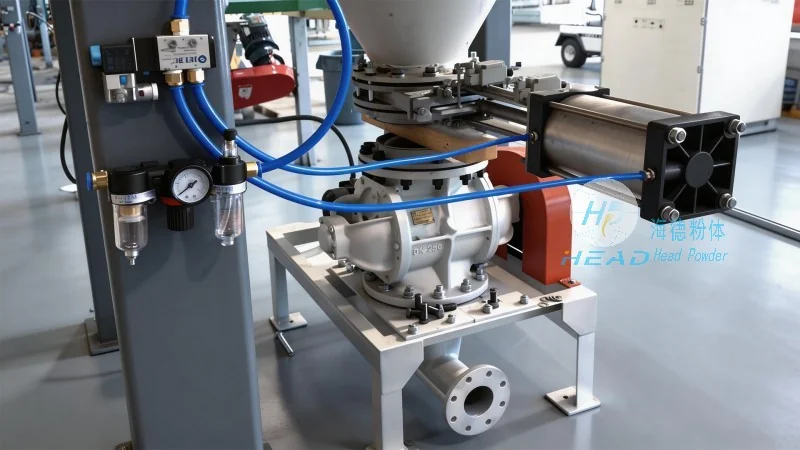
Technical Considerations and Best Practices for Buckwheat Hull Pneumatic Conveying
When designing and operating a pneumatic conveying system for buckwheat hulls, several technical considerations must be taken into account to ensure optimal performance and longevity. These considerations include selecting the appropriate blower or compressor with sufficient capacity to handle the material flow rate and pressure requirements, choosing the right pipeline diameter and material to minimize friction losses and prevent material buildup, and implementing proper filtration and cleaning systems to maintain air quality and prevent system blockages. Regular maintenance and monitoring of the system components, such as the blower, feeder, and pipeline, are also essential to prevent operational issues and ensure consistent performance.
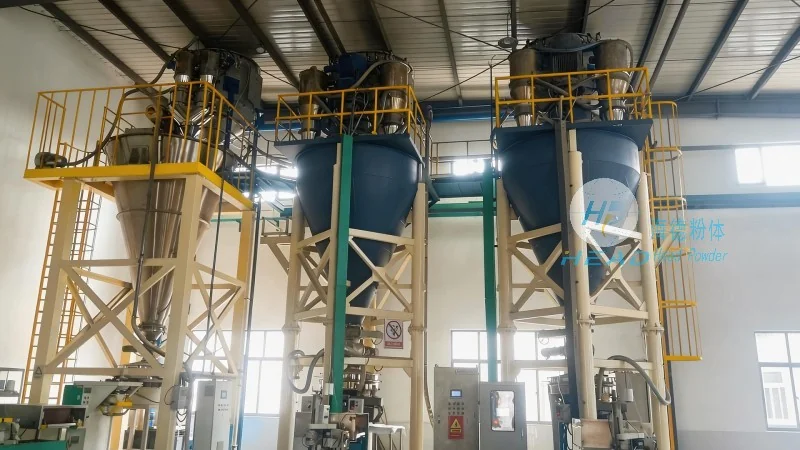
Applications of Buckwheat Hull Pneumatic Conveying in Industrial Settings
Buckwheat hull pneumatic conveying systems are widely used in various industrial applications, particularly in the food processing and agricultural sectors. In food processing, these systems are employed to transport buckwheat hulls from storage facilities to processing lines, such as milling or grinding operations, where they are used as a raw material for products like buckwheat flour or hull-based supplements. In agricultural processing, the systems help in the efficient transfer of buckwheat hulls from harvesting sites to storage or processing facilities, reducing the need for manual labor and improving overall operational efficiency.
Conclusion: The Efficiency and Reliability of Buckwheat Hull Pneumatic Conveying
HeadPowder's expertise in pneumatic conveying technology ensures that buckwheat hulls are handled with precision and efficiency. By understanding the operation process and working principle of these systems, industries can optimize their material transport operations, reduce costs, and enhance productivity. The advanced design and robust construction of HeadPowder's pneumatic conveying systems make them a reliable choice for handling buckwheat hulls, supporting the needs of modern agricultural and food processing industries. With a commitment to quality and innovation, HeadPowder continues to provide cutting-edge solutions for efficient material handling, including buckwheat hull pneumatic conveying systems.




