Understanding the principles and operational characteristics of sodium carbonate material handling is crucial for industries that rely on this essential chemical. Sodium carbonate, commonly known as soda ash, is widely used in various sectors including glass manufacturing, chemical production, and water treatment. The efficient transport and handling of this material directly impacts production efficiency and safety. This article explores the fundamental principles behind sodium carbonate material handling and highlights key working scene characteristics that define its application in industrial settings.
Key Principles of Sodium Carbonate Material Handling
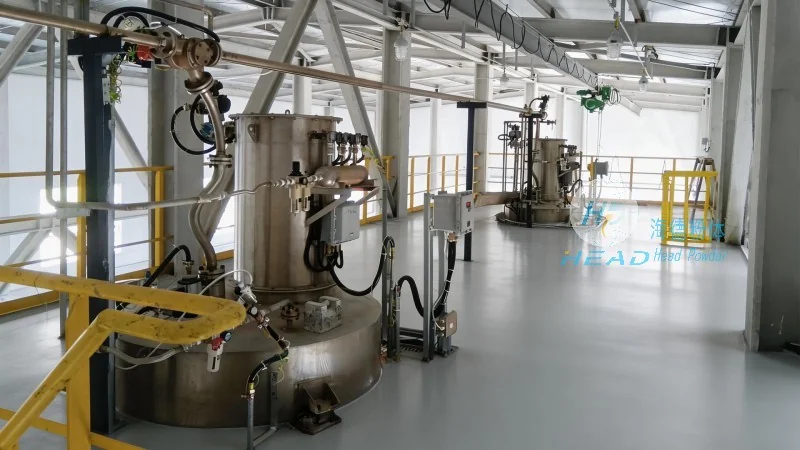
The core principles of sodium carbonate material handling revolve around ensuring safe, efficient, and consistent transport from storage to processing units. One of the primary principles is the prevention of material degradation or contamination during transit. Sodium carbonate is hygroscopic, meaning it can absorb moisture from the air, which can alter its properties and reduce effectiveness. Therefore, material handling systems must incorporate moisture-resistant components and enclosed transport mechanisms to maintain product integrity. Additionally, the principles emphasize the use of appropriate equipment that can handle the material's physical properties, such as its granular or powder form, without causing excessive dust generation or clogging. This includes selecting suitable conveyor systems, storage vessels, and feeding mechanisms that minimize particle breakage and ensure smooth flow.
Working Scene Characteristics of Sodium Carbonate Material Handling
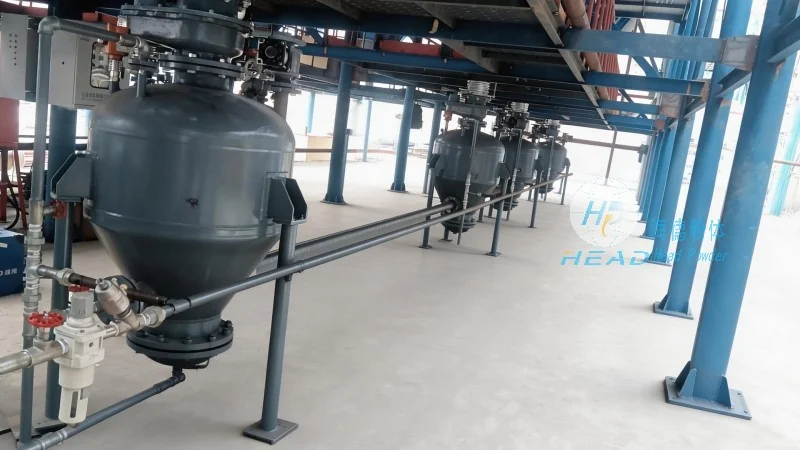
The working scene characteristics of sodium carbonate material handling vary based on the specific industrial application and scale of operation. In large-scale manufacturing facilities, such as glass plants or chemical complexes, the material is typically handled in bulk quantities, requiring robust and high-capacity transport systems. These systems often involve pneumatic conveying or belt conveyors that can move large volumes of material over long distances with minimal labor. The working environment in these settings is characterized by high throughput, continuous operation, and the need for automated control systems to maintain consistent material flow. For example, in glass production, sodium carbonate is a key raw material used in the melting process, and its delivery must be synchronized with other ingredients to ensure optimal glass quality. The working scene also includes considerations for dust control, as sodium carbonate powder can create airborne particles that pose health risks and affect equipment performance. Proper ventilation and dust collection systems are therefore integral to the material handling process.
Equipment and Technology in Sodium Carbonate Material Handling
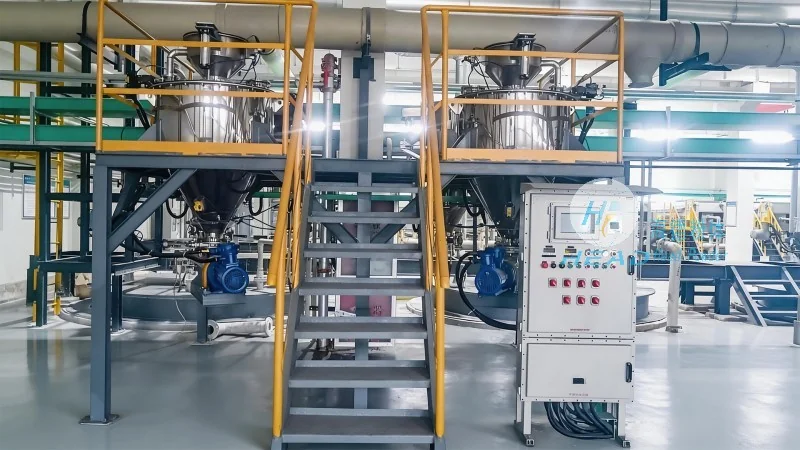
Advanced equipment and technology play a vital role in optimizing sodium carbonate material handling. Modern systems often incorporate sensors and automation to monitor material levels, flow rates, and equipment performance in real-time. This allows for immediate adjustments to maintain optimal operation and prevent downtime. For instance, level sensors in storage silos can trigger automatic feeding systems to replenish material as it is used, ensuring a continuous supply. Additionally, the use of enclosed and sealed conveyor systems reduces the risk of dust exposure and environmental contamination. These systems may include features like airtight hoppers, sealed belt conveyors, and dust collection units that capture and filter airborne particles before releasing them into the environment. The selection of appropriate materials for equipment components is also critical, as sodium carbonate can be abrasive and corrosive in certain conditions. Stainless steel or corrosion-resistant alloys are commonly used for conveyor parts and storage vessels to extend equipment lifespan and maintain product purity.
Operational Considerations and Safety Measures
Operational considerations and safety measures are paramount in sodium carbonate material handling to protect personnel and equipment. Due to the material's dust properties, proper personal protective equipment (PPE) such as respirators and dust masks is mandatory for workers involved in handling or processing. Additionally, the design of handling systems must include adequate ventilation and dust suppression measures to maintain a safe working environment. Regular maintenance of equipment is essential to prevent mechanical failures that could lead to material spills or equipment breakdowns. This includes inspecting conveyor belts, bearings, and feeding mechanisms for wear and tear, and replacing components as needed. The working scene also involves adherence to safety protocols for handling bulk materials, such as proper lockout/tagout procedures when servicing equipment and ensuring clear pathways for material flow to prevent obstructions. By implementing these measures, industries can ensure the safe and efficient operation of sodium carbonate material handling systems.
Conclusion and Industry Application
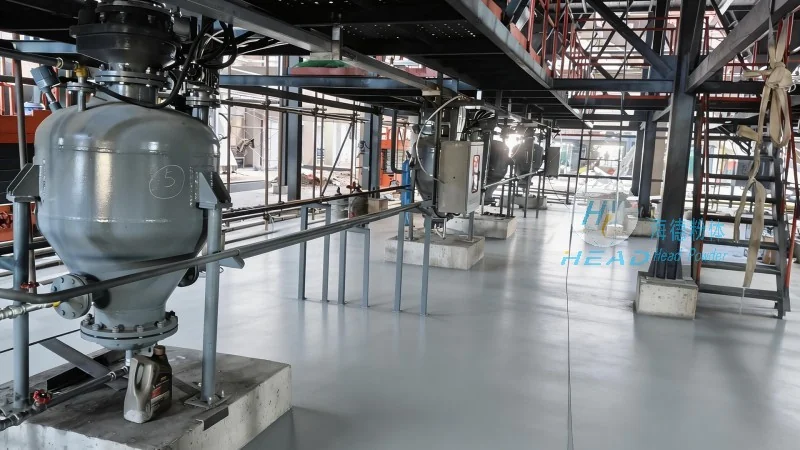
In conclusion, the principles and working scene characteristics of sodium carbonate material handling are essential for optimizing industrial processes and ensuring product quality. The efficient transport and handling of this material require a combination of appropriate equipment, technology, and operational practices. Industries such as glass manufacturing, chemical production, and water treatment benefit from tailored material handling systems that address their specific needs. As demand for sodium carbonate continues to grow, the importance of reliable and safe material handling solutions becomes increasingly critical. Companies like Shandong HeadPowder Engineering Co., Ltd., based in China, specialize in designing and implementing customized material handling solutions for sodium carbonate and other bulk materials, leveraging their expertise to meet the diverse requirements of modern industrial applications.




