Tank truck pneumatic conveying is a critical technology in bulk material handling, enabling efficient and safe transportation of powders and granules. This method utilizes compressed air to move materials from the source to the destination, offering advantages such as reduced contamination, lower maintenance costs, and improved operational flexibility. The following sections will delve into the detailed operation process and working principles of this system, providing a comprehensive understanding for industry professionals.
Working Principle of Tank Truck Pneumatic Conveying
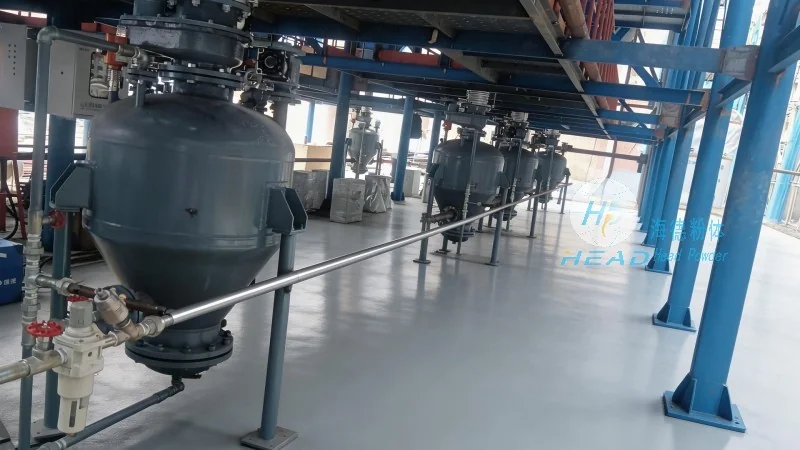
The core of tank truck pneumatic conveying lies in the use of air pressure to create a flow of material. The system typically consists of a tank truck equipped with a pneumatic conveying unit, a hopper for material storage, and a series of pipes and valves for directing the flow. When the system is activated, compressed air is introduced into the tank truck's material chamber. This air creates a negative pressure or positive pressure environment, depending on the system design, which draws the material from the hopper into the conveying line. The material is then carried through the pipes by the moving air stream, reaching the discharge point at the destination. The process is controlled by a series of sensors and control valves that regulate the air flow and material movement, ensuring smooth and consistent operation.
Operation Process of Tank Truck Pneumatic Conveying
The operation process of tank truck pneumatic conveying involves several key steps, each designed to ensure efficient material transfer. First, the tank truck is loaded with the bulk material at the source location. The material is then transferred into the truck's hopper, where it is stored until the conveying process begins. Next, the pneumatic conveying system is activated, and compressed air is supplied to the truck's material chamber. The air pressure forces the material to move through the conveying pipes, which may include vertical or horizontal sections, depending on the layout of the system. At the destination, the material is discharged into a receiving hopper or storage silo. Throughout the process, the system monitors parameters such as air pressure, material flow rate, and temperature to maintain optimal performance. Any adjustments to the system are made in real-time to address variations in material properties or operational conditions.
Key Components and Their Functions
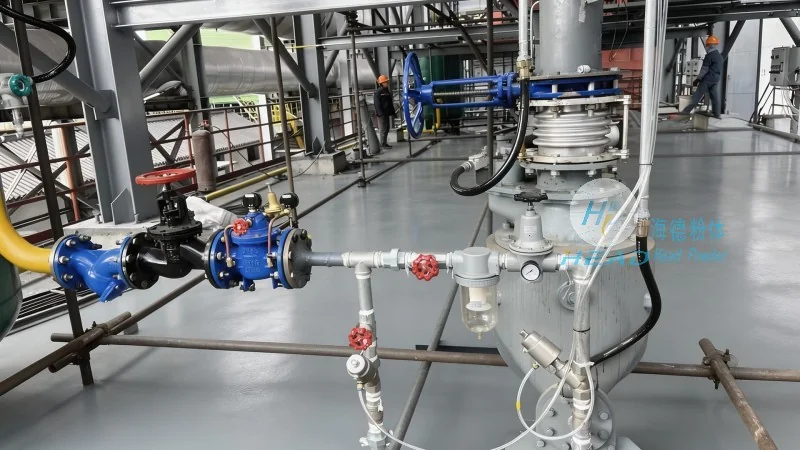
Several key components are integral to the tank truck pneumatic conveying system. The tank truck itself serves as the primary container for the material and houses the pneumatic conveying unit. The hopper, located at the top of the truck, provides a controlled entry point for the material, preventing spillage and ensuring uniform feeding. The conveying pipes, made of durable materials such as stainless steel or plastic, are designed to withstand the pressure and abrasion from the material and air. Control valves, including air intake valves and material discharge valves, regulate the flow of air and material, allowing for precise control over the conveying process. Sensors, such as pressure sensors and flow meters, monitor critical parameters and provide feedback to the control system, enabling automatic adjustments. The control system, often a programmable logic controller (PLC), coordinates the operation of all components, ensuring the system runs smoothly and efficiently.
Advantages of Tank Truck Pneumatic Conveying
Tank truck pneumatic conveying offers numerous advantages over traditional material handling methods. One of the primary benefits is the reduction in material contamination, as the system is enclosed and sealed, preventing exposure to external elements. This is particularly important for food, pharmaceutical, and chemical industries where product purity is critical. Additionally, the system reduces labor costs by automating the material transfer process, minimizing the need for manual handling. The compact design of tank trucks allows for easier maneuverability in tight spaces, improving operational flexibility. Furthermore, the system can handle a wide range of materials, including powders, granules, and even fine particles, making it versatile for various applications. The low maintenance requirements of the system also contribute to cost savings over time, as fewer mechanical parts are involved compared to traditional systems.
Applications and Industries
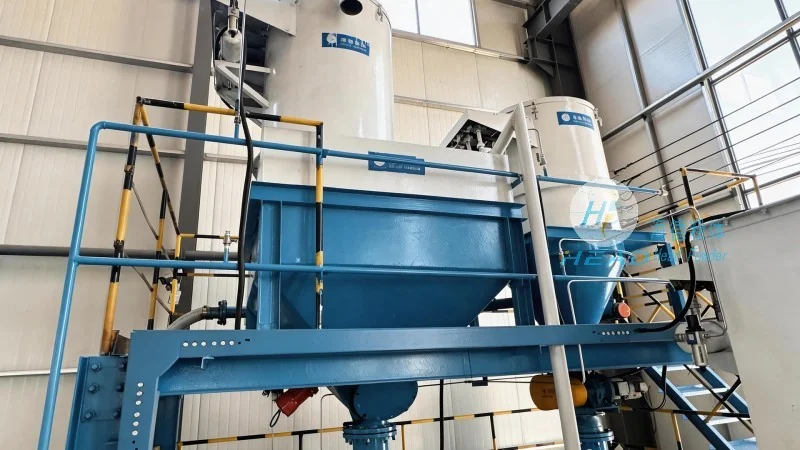
Tank truck pneumatic conveying is widely used in various industries that require bulk material handling. The food and beverage industry utilizes this technology for transporting ingredients such as flour, sugar, and spices, ensuring consistent quality and preventing contamination. The pharmaceutical industry relies on tank truck pneumatic conveying for the safe and efficient transfer of active pharmaceutical ingredients (APIs) and excipients, maintaining strict regulatory compliance. The chemical industry uses the system for handling powders and granules, including fertilizers, pigments, and specialty chemicals. Additionally, the agricultural sector employs tank truck pneumatic conveying for transporting grains, seeds, and other agricultural products. The versatility of the system makes it suitable for a wide range of applications, from small-scale operations to large industrial facilities.
Maintenance and Troubleshooting
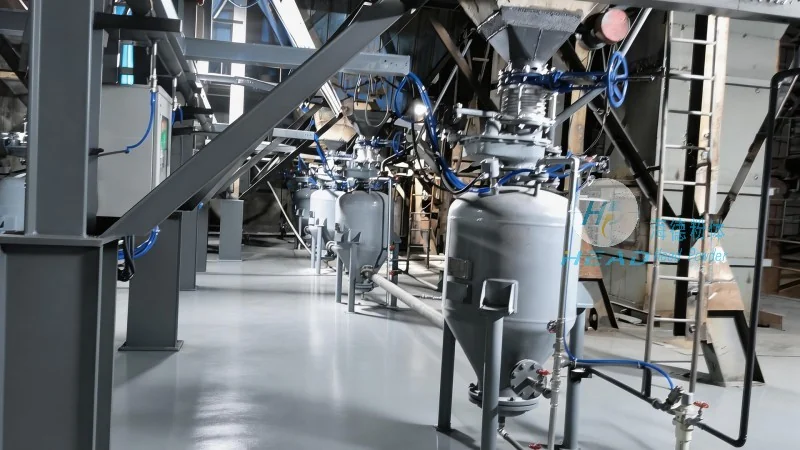
Proper maintenance is essential to ensure the reliable operation of the tank truck pneumatic conveying system. Regular inspections of the conveying pipes and components are necessary to detect any signs of wear or damage. The air compressor and filters should be checked and maintained regularly to ensure consistent air pressure and quality. The hopper and material chamber should be cleaned periodically to prevent material buildup and blockages. In case of system malfunctions, troubleshooting steps should be taken to identify and resolve the issue. Common problems include air leaks, material blockages, and pressure fluctuations. By addressing these issues promptly, the system can be restored to optimal performance, minimizing downtime and ensuring continuous operation.
Conclusion
Tank truck pneumatic conveying is a sophisticated and efficient method for bulk material handling, offering numerous benefits over traditional systems. The working principle and operation process of this technology are designed to provide reliable and consistent material transfer, while the key components and control systems ensure smooth operation. The advantages of reduced contamination, lower labor costs, and operational flexibility make it a preferred choice for various industries. With proper maintenance and troubleshooting, the system can deliver long-term performance and reliability. As a leading provider in the field, Shandong HeadPowder Engineering Co., Ltd. specializes in designing and manufacturing high-quality tank truck pneumatic conveying systems, catering to the diverse needs of the industry. Based in China, the company leverages its expertise and experience to deliver innovative solutions that enhance material handling efficiency and safety.




