Wood fiber pneumatic conveying systems are specialized equipment designed to transport wood fibers and related materials efficiently through an air-based system. These systems are integral to various industrial processes, particularly in the wood processing and manufacturing sectors. Understanding the underlying principles and operational characteristics of such systems is crucial for optimizing material handling and ensuring operational efficiency.
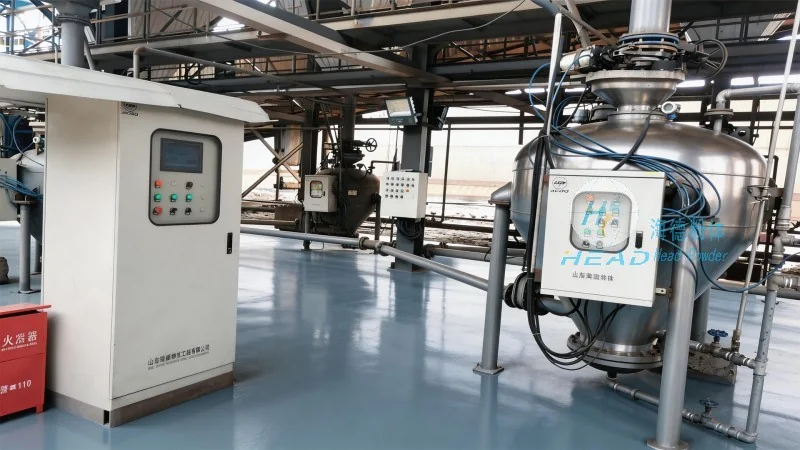
Company Overview: Shandong HeadPowder Engineering Co., Ltd.
HeadPowder, formally known as Shandong HeadPowder Engineering Co., Ltd., is a leading manufacturer and supplier of pneumatic conveying solutions. With its headquarters located in Shandong, China, the company specializes in developing advanced equipment tailored to the unique demands of wood fiber processing industries. HeadPowder's commitment to innovation and quality has positioned it as a trusted partner for businesses seeking reliable and efficient material handling systems.
Principle of Wood Fiber Pneumatic Conveying Systems
The core principle of wood fiber pneumatic conveying systems revolves around the use of air pressure to move bulk materials. In these systems, a fan or blower generates a flow of air within a pipeline. The wood fibers are then introduced into the pipeline, where they are carried by the air current. This method eliminates the need for mechanical components like belts or buckets, reducing maintenance requirements and operational costs. The system typically operates under positive pressure, where air is forced through the pipeline to transport the material, or under negative pressure, where air is drawn out to create a vacuum and pull the material.
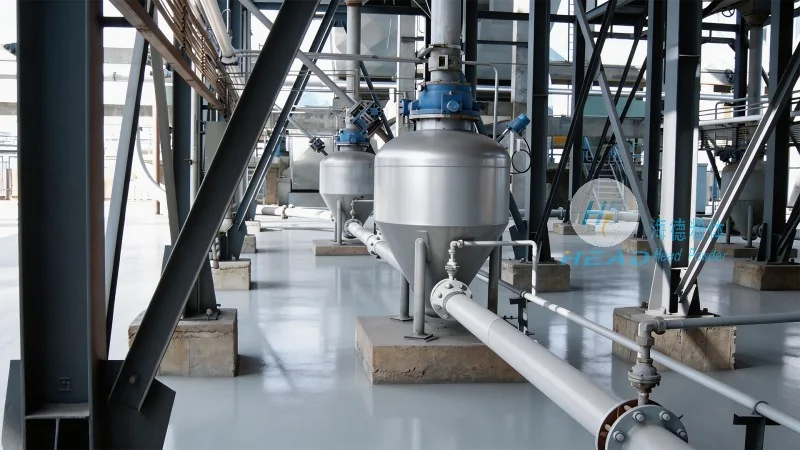
Working Scene Characteristics of Wood Fiber Pneumatic Conveying Systems
The operational characteristics of wood fiber pneumatic conveying systems are tailored to the specific requirements of wood processing environments. These systems are designed to handle a wide range of wood fiber types, including sawdust, shavings, and other fine wood particles. The key characteristics include high efficiency in material transport, minimal material degradation due to gentle handling, and the ability to cover long distances with minimal energy consumption. Additionally, these systems are often integrated with other processing equipment, such as drying ovens or pelletizers, to form a seamless production line. The flexibility of pneumatic conveying allows for easy integration into existing facilities, reducing the need for extensive modifications to the production layout.
Applications and Benefits in Industrial Settings
Wood fiber pneumatic conveying systems find extensive applications in various industrial settings. In the wood processing industry, they are used to transport raw materials from storage areas to processing machines, such as sawmills and planers. In manufacturing, these systems are employed in the production of wood-based panels, where wood fibers are conveyed to formulating and pressing equipment. The benefits of using pneumatic conveying include improved safety by reducing manual handling of bulk materials, enhanced hygiene by keeping processing areas clean, and increased productivity through automated material transport. Furthermore, the systems are designed to handle abrasive materials without significant wear and tear, ensuring long-term operational reliability.
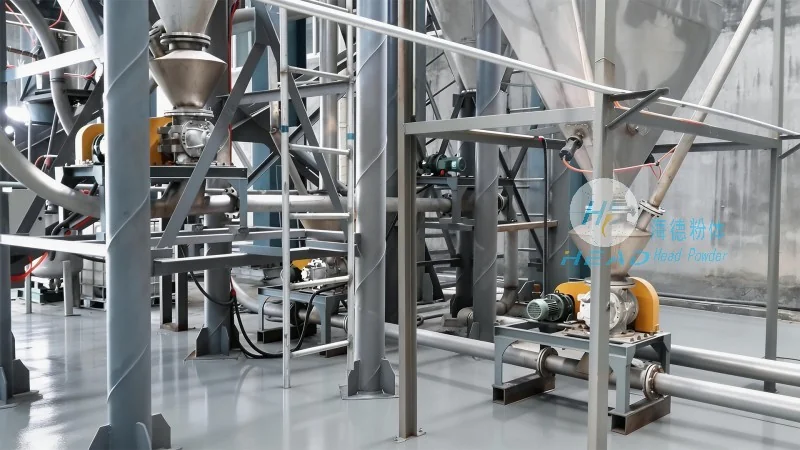
Technical Considerations for Optimal Performance
Several technical factors contribute to the optimal performance of wood fiber pneumatic conveying systems. The selection of the appropriate air velocity is critical, as it determines the system's capacity and the distance over which materials can be transported. Higher air velocities increase the conveying capacity but may lead to higher energy consumption and potential material degradation. Conversely, lower velocities reduce energy use but may require larger pipelines to maintain efficient transport. The system's design also considers the particle size and density of the wood fibers, as these properties affect the air flow and pressure requirements. Proper sizing of the fan or blower, along with the pipeline diameter and length, ensures that the system operates within its optimal parameters. Regular maintenance, including cleaning of filters and checking for air leaks, is essential to maintain system efficiency and prevent downtime.
Conclusion and Future Outlook
Wood fiber pneumatic conveying systems represent a sophisticated solution for the efficient handling of wood fibers in industrial applications. With their ability to combine high efficiency with minimal mechanical wear, these systems offer significant advantages over traditional material handling methods. As the wood processing industry continues to evolve, the demand for advanced pneumatic conveying solutions is expected to grow. Companies like Shandong HeadPowder Engineering Co., Ltd. are at the forefront of developing innovative solutions that meet the changing needs of the industry, ensuring that wood fiber processing remains a reliable and sustainable process.




