When designing a pneumatic conveying system for silica fume, several critical factors must be considered to ensure efficiency, reliability, and cost-effectiveness. Silica fume, also known as microsilica, is a fine powder with high surface area and reactivity, making its handling and transportation unique compared to other bulk materials. The design process involves evaluating material properties, system configurations, and operational parameters to optimize performance.
Key Design Factors for Silica Fume Pneumatic Conveying
The first step in system design is to analyze the physical and chemical characteristics of silica fume. This includes assessing particle size distribution, moisture content, and bulk density, as these properties directly impact the conveying velocity and pressure requirements. For instance, finer particles may require higher air velocities to prevent clogging, while higher moisture content can affect the material's flowability and increase the risk of blockages. Understanding these properties allows engineers to select appropriate equipment such as rotary valves, airlocks, and conveying lines.
System Configuration and Components
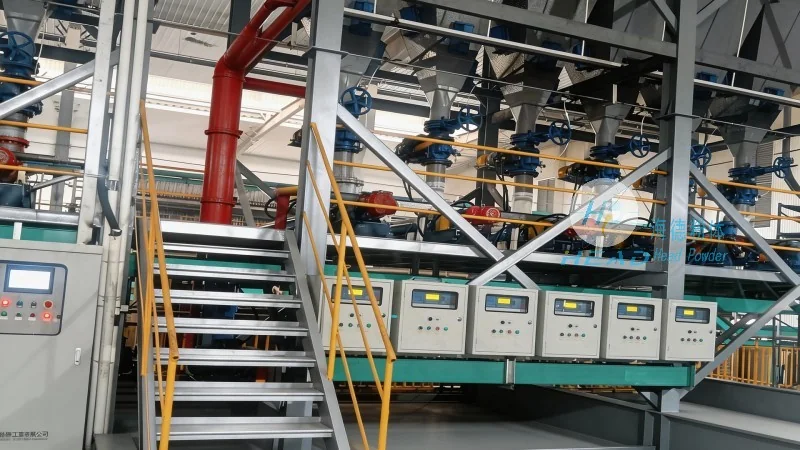
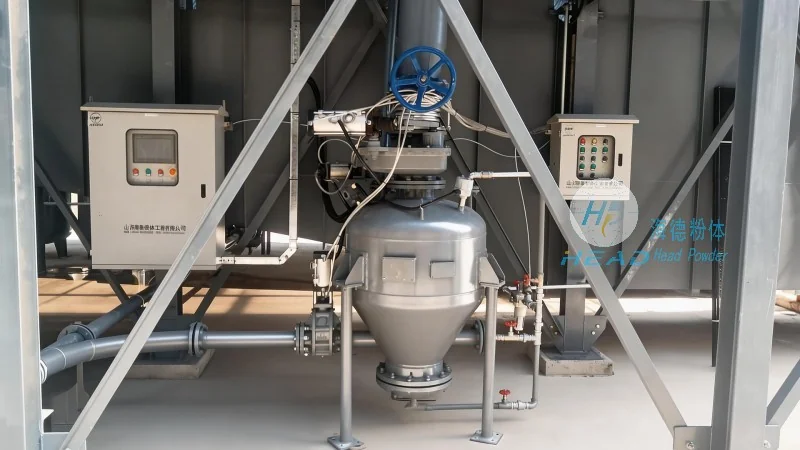
A typical pneumatic conveying system for silica fume consists of several key components, each playing a vital role in the overall operation. The system begins with a storage silo or hopper, where the material is stored before being fed into the conveying line. A rotary valve or feeder is used to control the flow rate of silica fume into the system, ensuring a consistent and controlled discharge. The conveying line itself is usually made of stainless steel or other corrosion-resistant materials to handle the abrasive nature of silica fume. The air supply is provided by a blower or compressor, which generates the necessary pressure to move the material through the line. At the receiving end, a dust collector or cyclone separator is used to separate the silica fume from the air, preventing dust emissions and ensuring a clean environment.
Material Handling and Flow Control
Effective flow control is essential for preventing issues such as clogging and uneven material distribution in the conveying system. For silica fume, which can be prone to bridging and segregation, the use of agitators or vibrators in the storage silo can help maintain uniform flow. Additionally, the design of the feeder and rotary valve must be optimized to handle the fine powder without causing excessive wear or material loss. The selection of appropriate air velocities is critical; too low a velocity may lead to material settling, while too high a velocity can cause excessive pressure drops and energy consumption. Engineers often use computational fluid dynamics (CFD) simulations to model the flow behavior and determine the optimal air velocity and pressure for the specific application.
Energy Efficiency and Maintenance
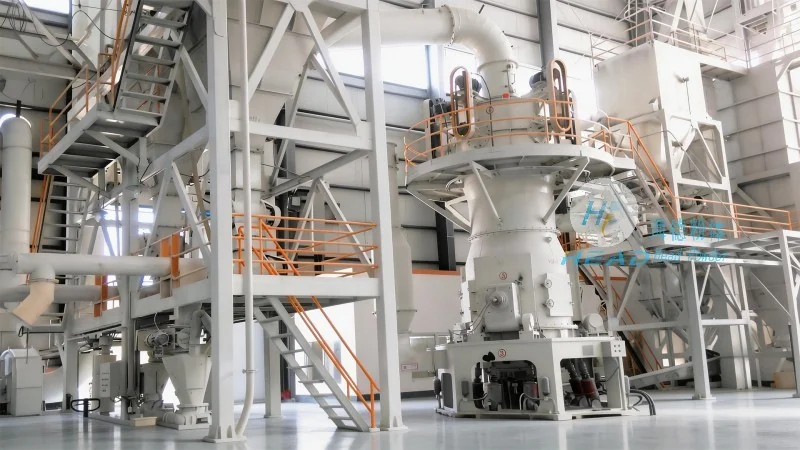
Energy efficiency is a significant consideration in the design of pneumatic conveying systems, as silica fume handling can be energy-intensive. The choice of blower type (positive displacement or centrifugal) and the system's pressure drop are key factors affecting energy consumption. Positive displacement blowers are often preferred for high-pressure, low-volume applications, as they provide consistent pressure and can handle the abrasive nature of silica fume better. Regular maintenance is also crucial to ensure the system operates efficiently and reliably. This includes checking for wear on components like rotary valves, conveying lines, and blower impellers, as well as monitoring air pressure and flow rates to detect any potential issues early.
Environmental and Safety Considerations
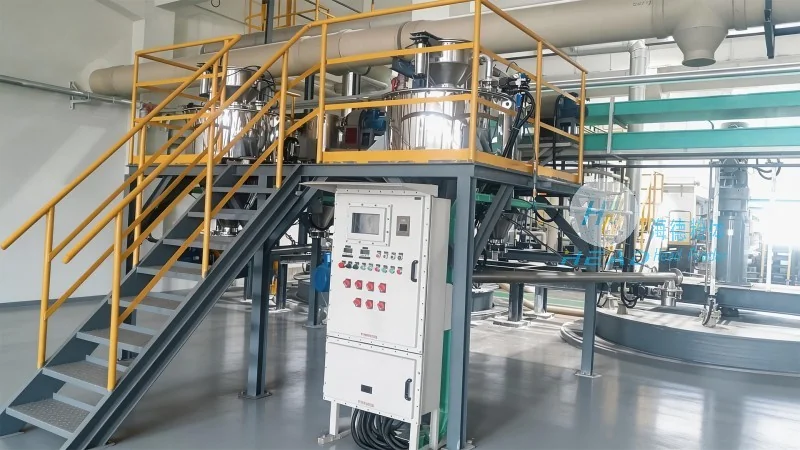
Handling silica fume requires attention to environmental and safety regulations. The system must be designed to minimize dust emissions, which can be harmful to both the environment and workers. Dust collectors and cyclone separators are essential components to capture and filter the silica fume from the air, ensuring compliance with local air quality standards. Additionally, the system should be equipped with safety features such as pressure relief valves and emergency shutdown systems to prevent accidents. Proper ventilation and personal protective equipment (PPE) for workers are also necessary to maintain a safe working environment.
Conclusion
Designing a pneumatic conveying system for silica fume requires a comprehensive approach that considers material properties, system components, operational parameters, and environmental regulations. By carefully evaluating these factors and optimizing the system design, engineers can achieve efficient and reliable transportation of silica fume, reducing operational costs and improving overall performance. The expertise of companies like Shandong HeadPowder Engineering Co., Ltd. is invaluable in this process, as they provide tailored solutions based on specific project requirements and material characteristics.




