When designing a pneumatic conveying system for gypsum particles, several critical factors must be carefully evaluated to ensure efficient, reliable, and cost-effective operation. The system's performance is heavily influenced by the characteristics of the gypsum material, the intended application, and the overall process requirements. This article outlines key design considerations that professionals in the field should address when developing such systems.
Material Characteristics and System Selection
The first step in designing a gypsum particle pneumatic conveying system is to thoroughly understand the physical and chemical properties of the gypsum. Gypsum is a calcium sulfate dihydrate (CaSO₄·2H₂O) that can vary in particle size, moisture content, and density depending on the source and processing methods. These characteristics directly impact the choice of conveying technology. For example, fine gypsum powders may require high-pressure or dense-phase conveying to prevent particle segregation and ensure uniform flow. In contrast, larger, coarser particles might be suitable for low-pressure or dilute-phase systems. The moisture content is particularly important as excessive moisture can lead to clumping, reduced flowability, and increased wear on system components. Proper moisture control, either through drying before conveying or by selecting materials resistant to moisture, is essential for maintaining system efficiency.
System Configuration and Pressure Considerations
The configuration of the pneumatic conveying system—whether it's a positive pressure, negative pressure, or a combination—plays a pivotal role in the design. Positive pressure systems, where air is blown into the conveying line, are commonly used for gypsum due to their ability to handle fine powders and maintain consistent flow rates. These systems typically operate at pressures ranging from 5 to 15 bar, depending on the distance and height the material needs to be conveyed. The choice of pressure affects not only the energy consumption but also the wear on components like pumps, valves, and elbows. Negative pressure systems, on the other hand, are less common for gypsum but may be used in applications where dust control is critical or when conveying material from multiple sources into a single collection point. The system's layout, including the number of transfer points, bends, and vertical lifts, must be optimized to minimize pressure drop and energy loss. Proper sizing of the air ducts and the conveying velocity is crucial; too low a velocity can cause particle settling, while too high a velocity increases energy costs and wear.
Equipment Selection and Component Design
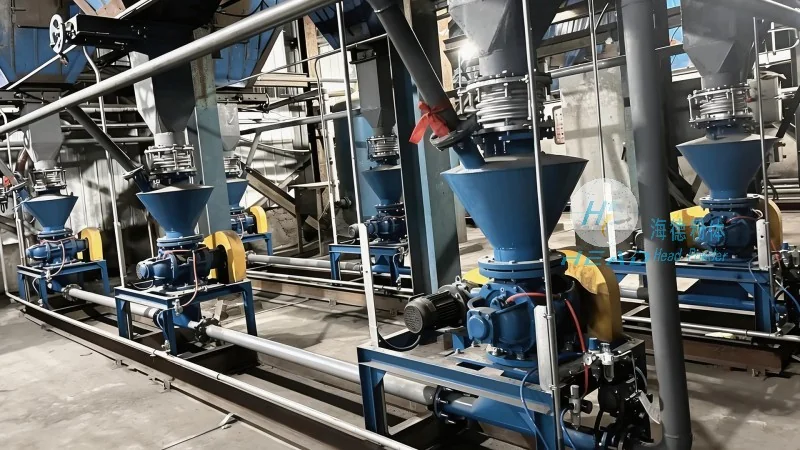
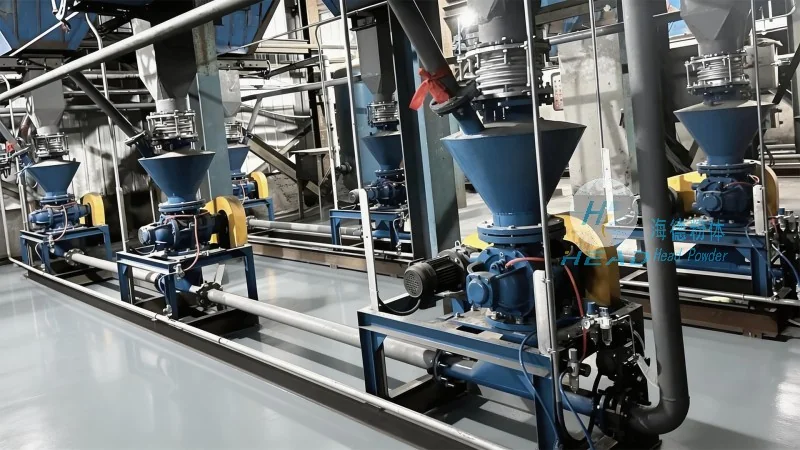
Key equipment in a gypsum pneumatic conveying system includes the blower or compressor, material feeders, conveying lines, and separation or collection devices. The blower must be capable of delivering the required air volume and pressure at the specified flow rate. For gypsum, a centrifugal blower is often preferred due to its ability to handle large volumes of air at moderate pressures. The selection of the blower's size and type is critical to match the system's demands and avoid over or under-sizing, which can lead to inefficiencies or equipment failure. Material feeders, such as rotary valves or screw feeders, must be designed to handle the specific flow characteristics of gypsum. These feeders should minimize air leakage and ensure a consistent feed rate to prevent surges or blockages in the system. The conveying lines are typically made of materials like stainless steel or PVC to resist corrosion from the gypsum and moisture. The design of the line, including the use of smooth bends and minimal fittings, is essential to reduce pressure drop and prevent particle abrasion. Separation and collection equipment, such as cyclones or bag filters, are necessary to remove the gypsum from the air stream and prevent dust emissions. The design of these components must consider the particle size and density of the gypsum to ensure effective separation and minimize re-entrainment of particles back into the air stream.
System Integration and Process Optimization
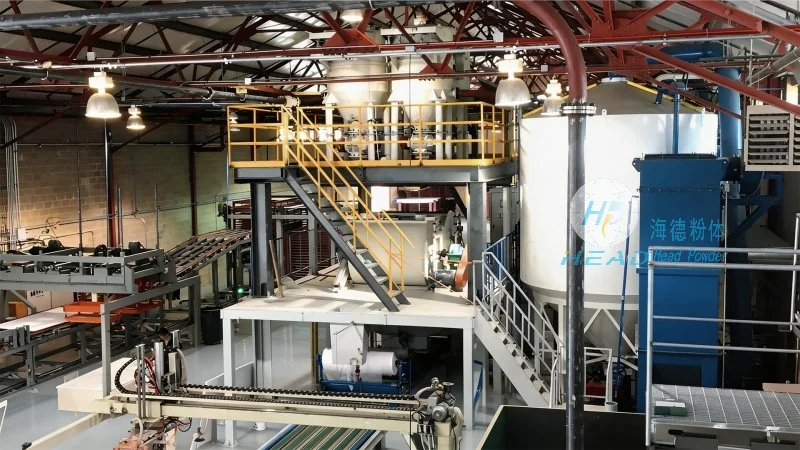
Integrating the pneumatic conveying system with the overall production process is another critical design consideration. The system must be compatible with existing equipment and processes, ensuring seamless material transfer from storage to processing or packaging areas. This integration involves coordinating the timing of material feed, conveying, and downstream operations to maximize throughput and minimize downtime. Process optimization techniques, such as variable speed drives for the blower and feeder, can help adjust the system's performance to match varying production demands. Additionally, monitoring systems, including pressure sensors, flow meters, and temperature gauges, are essential for real-time control and troubleshooting. These sensors provide data on system performance, allowing operators to identify and address issues promptly, such as pressure drops or abnormal flow rates. Regular maintenance and cleaning of system components are also critical to maintain efficiency and prevent downtime. The design should include provisions for easy access to components for maintenance, such as removable sections of the conveying line or accessible feeders.
Environmental and Safety Considerations
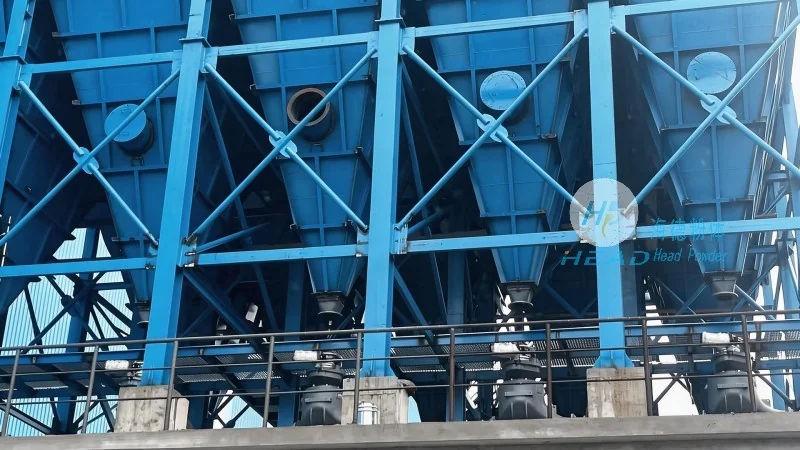
Environmental and safety considerations are paramount when designing a gypsum pneumatic conveying system. Gypsum is a non-toxic material, but the system must still comply with local regulations regarding dust emissions and air quality. Proper dust control measures, such as using sealed feeders and enclosing the conveying line, are necessary to prevent dust from escaping into the environment. The system should also be designed to minimize noise levels, as excessive noise can be a nuisance for operators and may require additional soundproofing measures. Safety features, such as interlocks to prevent operation when the system is open or during maintenance, are essential to protect personnel from injury. The use of explosion-proof components in areas where there may be a risk of dust accumulation is also important, especially if the system is used in industrial settings with other combustible materials.
Case Study: Successful Implementation by Shandong HeadPowder Engineering Co., Ltd.
Shandong HeadPowder Engineering Co., Ltd., a leading provider of pneumatic conveying solutions, has successfully designed and implemented gypsum particle pneumatic conveying systems for various clients. One notable project involved supplying a large gypsum processing plant with a high-capacity conveying system to transport fine gypsum powders from storage silos to a processing facility. The system, designed by HeadPowder, utilized a positive pressure configuration with a centrifugal blower and rotary valve feeders. The system was optimized for the specific particle size and moisture content of the gypsum, ensuring efficient and reliable operation over long distances. The client reported significant improvements in production throughput and reduced maintenance costs compared to traditional conveying methods. Another project involved a system for a gypsum board manufacturing plant, where the system was integrated with the production line to convey gypsum from a raw material storage area to the board forming machines. The system was designed to handle large volumes of material while maintaining consistent flow rates, which helped improve the overall efficiency of the manufacturing process. These case studies demonstrate the expertise of Shandong HeadPowder Engineering Co., Ltd. in designing and implementing effective gypsum particle pneumatic conveying systems that meet the specific needs of their clients.




