When designing a monocrystalline silicon pneumatic conveying system, several critical factors must be considered to ensure optimal performance, efficiency, and reliability. The system's design directly impacts the handling of silicon wafers or powders, which are essential in semiconductor manufacturing. This article outlines key considerations for engineers and industry professionals to address during the system development phase, with insights from Shandong HeadPowder Engineering Co., Ltd., a leading provider of specialized engineering solutions for the semiconductor industry.
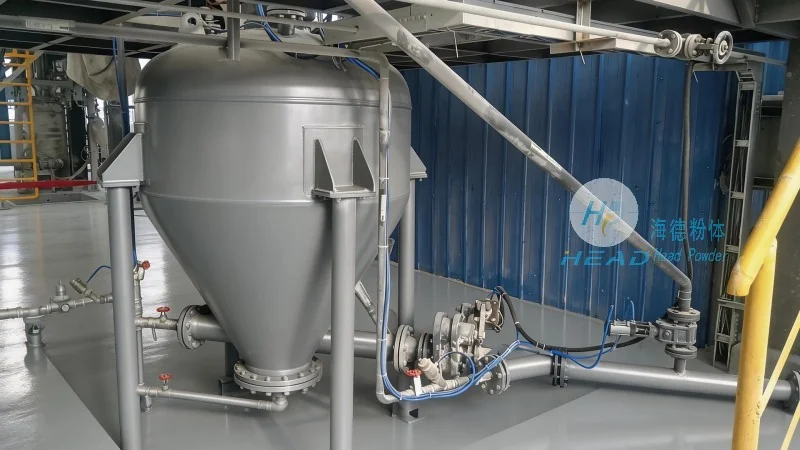
System Layout and Material Selection
The layout of the pneumatic conveying system is foundational to its success. A well-planned layout minimizes pressure drops, reduces energy consumption, and prevents material degradation. For monocrystalline silicon, which is highly sensitive to contamination and abrasion, selecting appropriate materials for components such as pipes, valves, and hoppers is paramount. Stainless steel or specialized corrosion-resistant alloys are often preferred to prevent chemical reactions or surface damage from the silicon particles. The choice of material also affects the system's durability and maintenance requirements, ensuring long-term operational stability. Additionally, the system should be designed with smooth, rounded internal surfaces to reduce friction and prevent particle buildup, which is critical for maintaining consistent flow rates and preventing blockages.
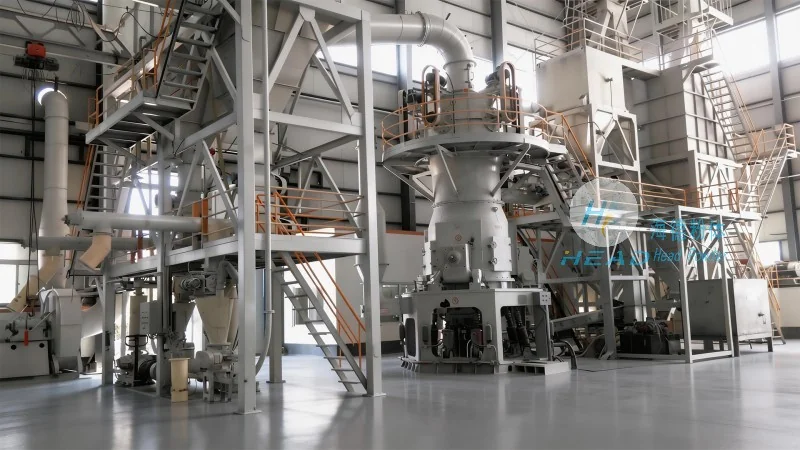
Pressure and Flow Rate Optimization
Optimizing pressure and flow rate is crucial for efficient material transport. The conveying pressure must be sufficient to overcome friction losses in the system while maintaining a stable flow rate. For monocrystalline silicon, which can be abrasive, higher pressure may be required to prevent blockages or material degradation. However, excessive pressure can lead to increased energy costs and potential equipment wear. Engineers must balance these factors by conducting thorough flow simulations and pressure drop analyses. The system's design should incorporate adjustable valves and pressure regulators to adapt to varying production demands, ensuring consistent performance under different operational conditions. For instance, during high-demand periods, the system can increase pressure to maintain flow, while reducing it during low-demand periods to conserve energy.
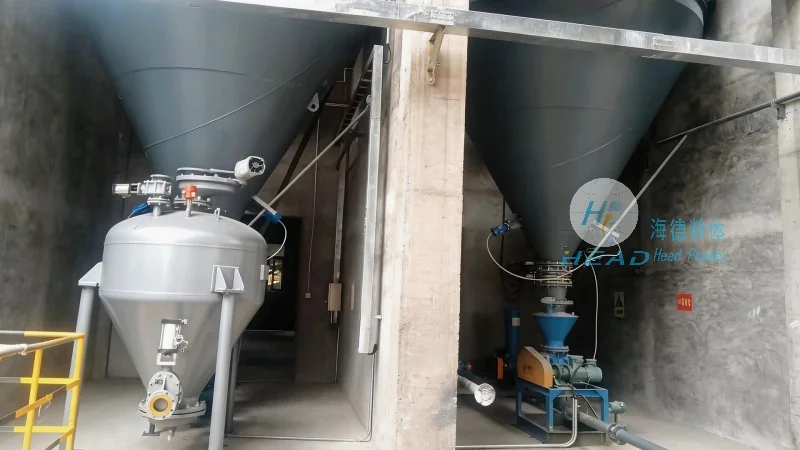
Prevention of Material Degradation and Contamination
Monocrystalline silicon is highly susceptible to contamination and physical damage, which can compromise product quality and yield. The pneumatic conveying system must be designed with measures to minimize these risks. For instance, using smooth, non-abrasive surfaces for pipes and hoppers reduces wear on the silicon particles. Additionally, incorporating filtration systems at key points, such as the inlet and outlet, helps remove dust or foreign particles that could contaminate the material. The system should also include air filtration and drying components to maintain a clean, dry environment, as moisture can cause oxidation or other chemical reactions that degrade the silicon. Regular cleaning and maintenance of the filtration systems are essential to ensure they remain effective and do not become a source of contamination themselves.
Safety and Maintenance Considerations
Ensuring safety and ease of maintenance is vital for any industrial system. The design should include safety features like pressure relief valves, emergency shut-off mechanisms, and proper ventilation to prevent accidents. For monocrystalline silicon, which may be hazardous if inhaled or if it causes skin irritation, proper containment and handling protocols are essential. Regular maintenance is also critical to prevent system failures. The system should be designed with accessible components, allowing for easy inspection, cleaning, and replacement of parts. This reduces downtime and ensures consistent performance over time. For example, hoppers and pipes should be equipped with quick-release fittings for easy disassembly and cleaning, and all moving parts should be properly lubricated to minimize wear and tear.
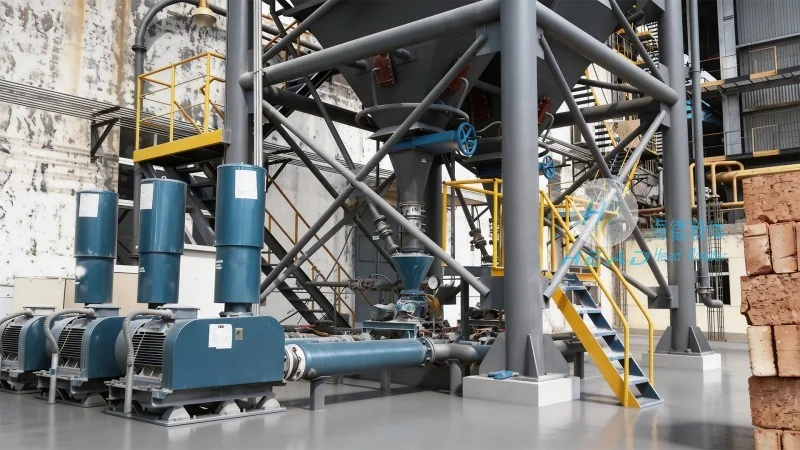
Integration with Production Processes
The pneumatic conveying system must seamlessly integrate with existing production lines to avoid disruptions. This involves coordinating with other equipment, such as furnaces, wafer cutters, or storage units. The system's design should consider the timing and flow rates required by downstream processes, ensuring that material is delivered when needed. For example, in semiconductor manufacturing, the system may need to synchronize with the wafer fabrication schedule to maintain production efficiency. Proper integration also reduces the risk of bottlenecks or delays, enhancing overall operational efficiency. The system should include sensors and control systems to monitor flow rates and pressure in real-time, allowing operators to adjust parameters as needed to maintain optimal performance.




