Shandong HeadPowder Engineering Co., Ltd., commonly known as HeadPowder, is a professional manufacturer specializing in the design and production of pneumatic conveying systems. With a focus on soybean handling, the company provides tailored solutions that meet the specific demands of the agricultural and food processing industries. HeadPowder's facilities are located in Shandong, China, where the company leverages advanced engineering expertise to deliver reliable and efficient equipment for soybean transportation. The following content outlines key design considerations for soybean pneumatic conveying systems, highlighting the technical aspects and practical applications that ensure optimal performance.
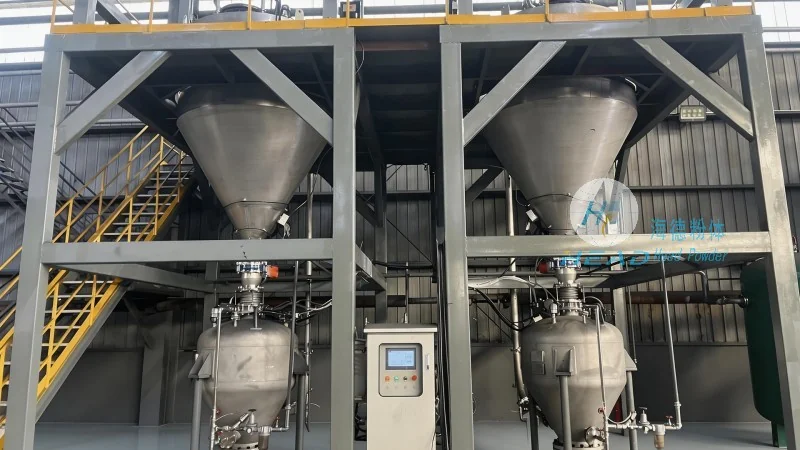
Key Design Considerations for Soybean Pneumatic Conveying Systems
When designing a soybean pneumatic conveying system, several critical factors must be considered to ensure efficient and reliable operation. The first consideration is the material characteristics of soybeans, which include their size, density, and moisture content. These properties directly impact the system's air flow requirements and the selection of appropriate equipment components. For instance, soybeans are typically larger and denser than other grains, requiring higher air velocity and pressure to maintain consistent flow rates. The system design must account for these variations to prevent blockages or uneven material distribution.
Another crucial aspect is the system's capacity and throughput requirements. The conveying system must be sized to handle the expected volume of soybeans, whether for short-distance or long-distance transport. HeadPowder engineers evaluate the processing plant's production schedule and storage capacity to determine the optimal system size. This includes selecting the right type of air compressor, such as positive displacement or rotary lobe models, which are commonly used in soybean handling applications. The compressor's capacity and pressure must align with the system's air demand to avoid energy inefficiencies or insufficient material transport.
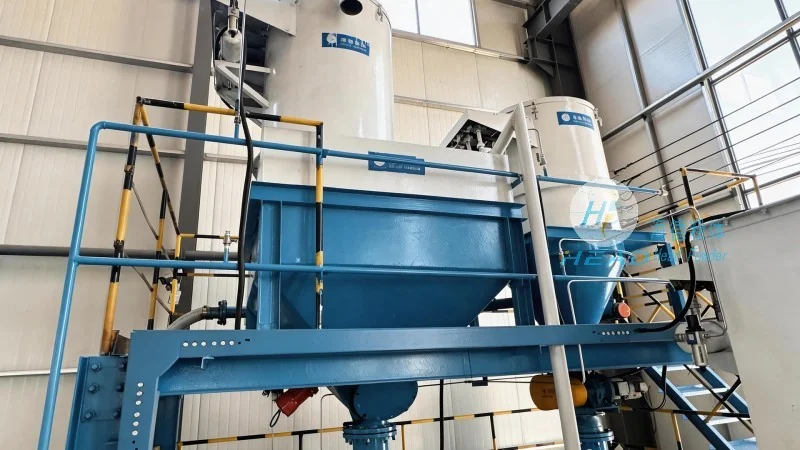
Component Selection and System Layout
The selection of components, including the hopper, feeder, and pipeline, plays a vital role in the system's performance. The hopper design must be tailored to the soybean's bulk density and flow characteristics. A properly designed hopper ensures uniform material feeding and prevents bridging or arching, which can lead to system downtime. The feeder, often a rotary valve or a star feeder, regulates the material flow into the pipeline, maintaining consistent air-to-material ratios. This ratio is critical for preventing material degradation and ensuring smooth transport. The pipeline layout, including the use of vertical and horizontal sections, must be optimized to minimize pressure losses and energy consumption. HeadPowder's engineers use computational fluid dynamics (CFD) to simulate airflow and material transport, ensuring the most efficient system design.
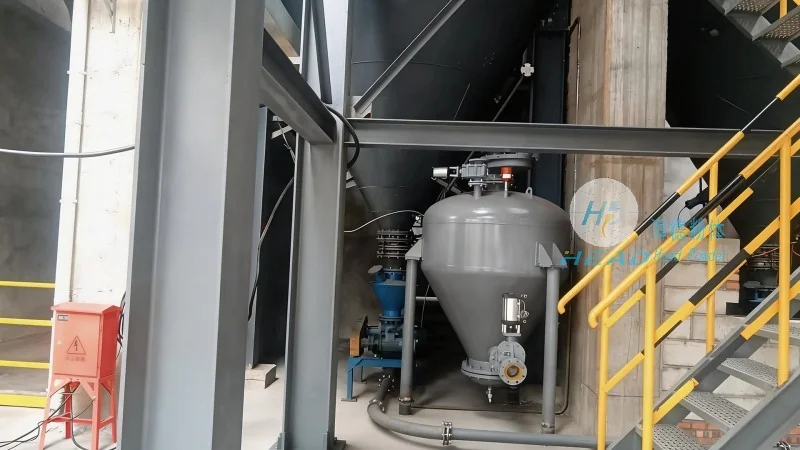
Performance Optimization and Control Systems
To enhance the system's performance, advanced control systems are integrated into the design. These systems monitor key parameters such as air pressure, flow rate, and material level, providing real-time feedback to adjust operation. For soybean pneumatic conveying, the control system may include sensors to detect blockages or changes in material properties, triggering automatic adjustments to maintain optimal conditions. Additionally, energy management features are incorporated to reduce operational costs. By optimizing the air-to-material ratio and minimizing pressure losses, the system achieves higher efficiency and lower energy consumption. HeadPowder's control systems are designed to be user-friendly, allowing operators to easily monitor and adjust the system parameters as needed.
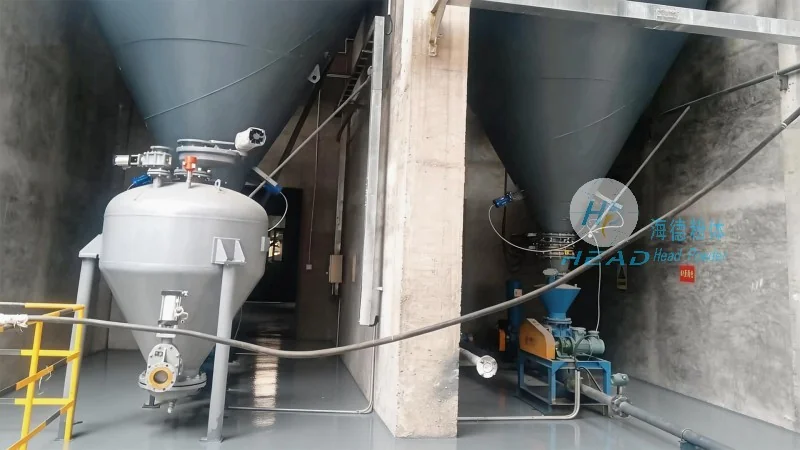
Installation and Maintenance Guidelines
Proper installation and regular maintenance are essential for the long-term reliability of the soybean pneumatic conveying system. During installation, the system must be aligned correctly to ensure smooth material flow and prevent wear on components. HeadPowder provides detailed installation instructions and technical support to ensure proper setup. Routine maintenance includes checking the air compressor, cleaning the hopper and pipeline, and inspecting the feeder for wear. Regular maintenance helps prevent system failures and extends the equipment's lifespan. The company also offers spare parts and technical support to assist clients with maintenance tasks, ensuring minimal downtime and maximum system availability.
Conclusion
Designing an effective soybean pneumatic conveying system requires a comprehensive understanding of material properties, system requirements, and engineering principles. Shandong HeadPowder Engineering Co., Ltd. leverages its expertise in pneumatic conveying technology to provide customized solutions that meet the specific needs of soybean processing facilities. By considering factors such as material characteristics, capacity, component selection, and control systems, the company ensures that its systems deliver reliable, efficient, and cost-effective performance. With facilities in Shandong, China, HeadPowder continues to serve the agricultural and food processing industries with high-quality pneumatic conveying equipment, supporting the efficient handling of soybeans from storage to processing.




