HeadPowder, a leading manufacturer in the field of industrial material handling, specializes in providing high-performance pneumatic conveying systems. Based in Shandong, China, the company has established itself as a trusted partner for businesses seeking reliable and efficient solutions for transporting polyvinylidene fluoride (PVDF) and other specialized materials. This article explores the fundamental principles behind PVDF pneumatic conveying equipment and highlights the key characteristics of its operational environments.
PVDF Pneumatic Conveying Equipment: Core Principles
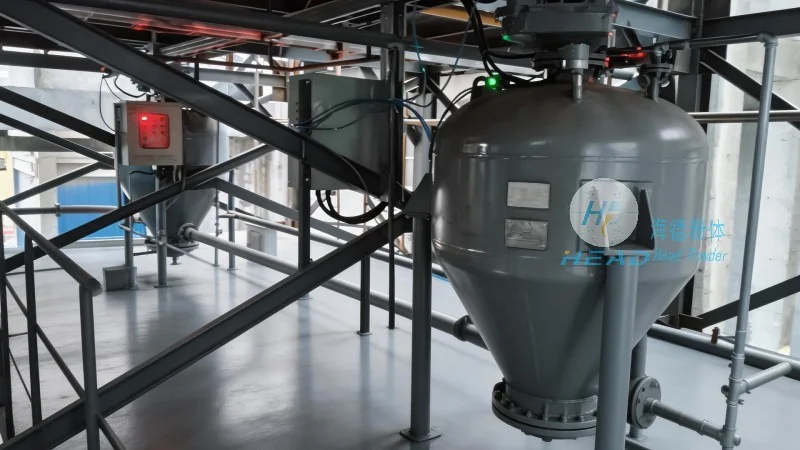
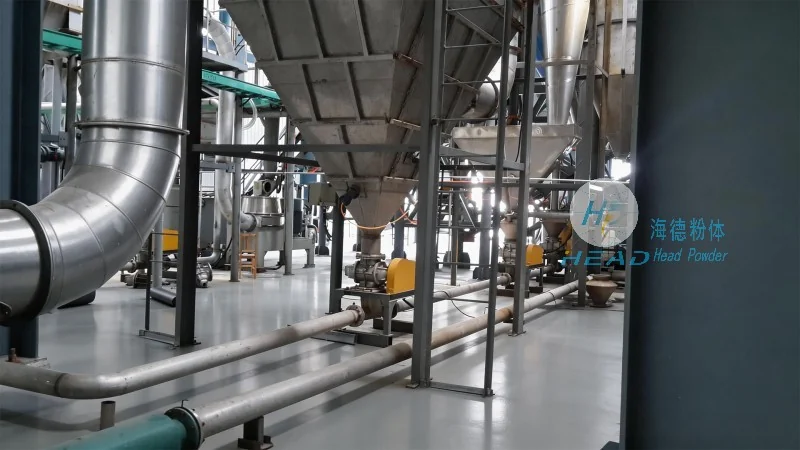
PVDF, known for its exceptional chemical resistance, thermal stability, and mechanical strength, is widely used in industries such as chemical processing, pharmaceuticals, and food production. The pneumatic conveying system designed for PVDF materials leverages the principles of air flow to transport powders or bulk solids through a pipeline. The process typically involves creating a pressure differential between the inlet and outlet of the system, which propels the material forward. Key components include a feed hopper, a venturi or eductor, and a receiver tank. The feed hopper ensures a consistent flow of PVDF powder into the system, while the venturi or eductor generates the necessary airflow to move the material. The receiver tank collects the conveyed material, allowing for easy discharge and storage. This method eliminates the need for mechanical components like screws or belts, reducing maintenance requirements and minimizing the risk of material contamination.
Working Scene Characteristics of PVDF Pneumatic Conveying Equipment
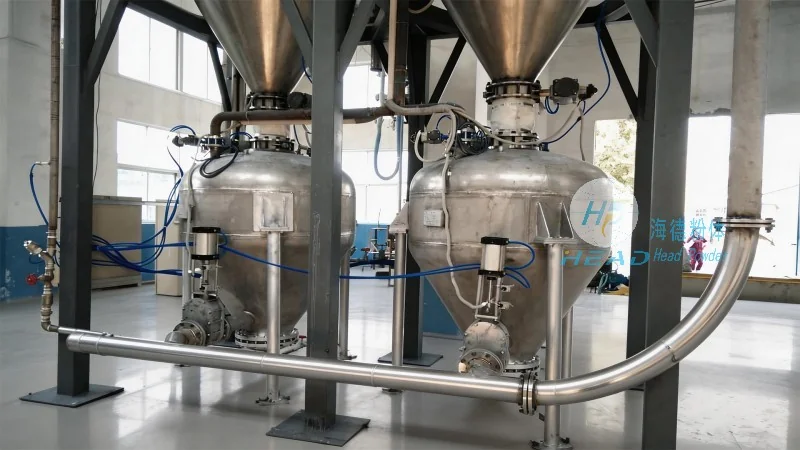
The operational environment of PVDF pneumatic conveying equipment is tailored to meet the stringent requirements of industries handling sensitive or hazardous materials. One of the primary characteristics is its ability to handle materials with high moisture content or those prone to caking, as the air flow prevents agglomeration and ensures smooth transport. In chemical plants, for instance, the equipment is often used to transfer PVDF powders from storage silos to processing units, maintaining a clean and controlled process. The system's design allows for easy integration with existing production lines, minimizing downtime during installation and operation. Additionally, the equipment is engineered to withstand the corrosive nature of PVDF and other chemicals, ensuring long-term durability and reliability. In pharmaceutical applications, the system's hygienic design features, such as smooth surfaces and easy-to-clean components, are critical for maintaining compliance with regulatory standards. The working scene also includes applications in food processing, where the equipment's ability to handle food-grade PVDF materials without contamination is essential. Overall, the working environment is characterized by precision, efficiency, and adherence to industry-specific safety and quality standards.
Application Scenarios and Operational Efficiency
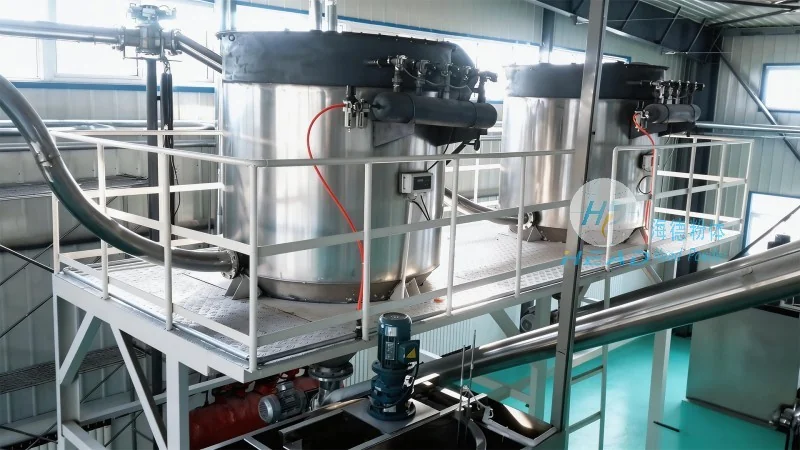
The versatility of PVDF pneumatic conveying equipment makes it suitable for a wide range of applications across various industries. In the chemical sector, it is commonly used for transporting reactive or toxic PVDF powders, where the enclosed system prevents exposure to personnel and the environment. The system's ability to operate under negative pressure or positive pressure, depending on the application, provides flexibility in handling different material properties. For example, in the production of PVDF-based coatings or resins, the equipment efficiently moves raw materials from mixing tanks to reactors, optimizing production throughput. In pharmaceutical manufacturing, the equipment is employed to transfer active pharmaceutical ingredients (APIs) or excipients, ensuring that the material is handled in a sterile and controlled manner. The working scene in these applications emphasizes the importance of maintaining a consistent flow rate and pressure, as fluctuations can affect product quality and process efficiency. Furthermore, the equipment's low maintenance requirements and energy efficiency contribute to overall operational cost savings, making it a cost-effective solution for long-term material handling needs. The integration of advanced control systems allows for real-time monitoring of the conveying process, enabling operators to adjust parameters as needed to maintain optimal performance.




