Understanding the operational principles and application scenarios of dry sludge pneumatic conveying equipment is crucial for optimizing waste management processes in industrial and municipal settings. This equipment, designed to handle dry sludge efficiently, plays a vital role in modern waste treatment systems by providing a reliable method for transporting sludge without the need for water or other traditional conveyance methods.
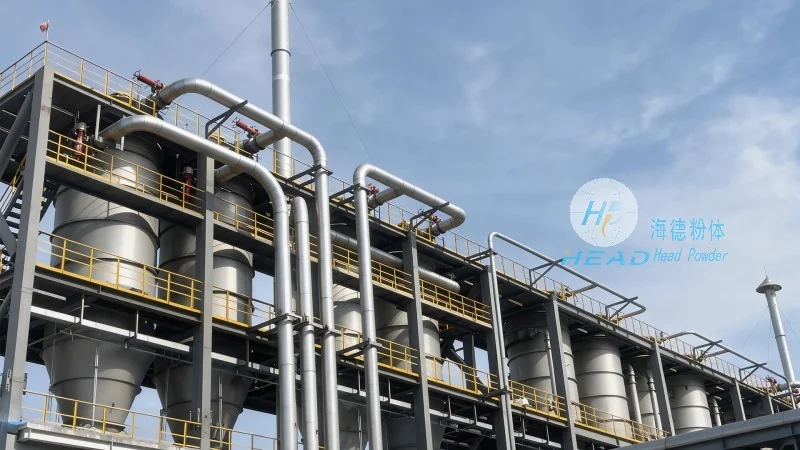
Working Principle of Dry Sludge Pneumatic Conveying Equipment
The core mechanism of dry sludge pneumatic conveying equipment involves the use of compressed air to transport dry sludge particles through a pipeline system. The process typically begins with the feeding of dry sludge into a hopper or feeder, where it is then introduced into a pipeline. Compressed air, generated by a blower or compressor, is introduced into the pipeline, creating a flow that propels the dry sludge particles forward. This method relies on the principle of fluidization, where the air flow suspends the sludge particles, allowing them to move through the pipeline with minimal friction and resistance. The equipment is engineered to maintain consistent air pressure and flow rates, ensuring efficient and continuous transportation of the dry sludge.
Key Components and Their Functions
Dry sludge pneumatic conveying systems consist of several critical components that work in tandem to achieve effective sludge transport. These components include the sludge feeder, which ensures a steady supply of dry sludge into the system; the air compressor or blower, which generates the necessary compressed air to create the conveying flow; the pipeline network, which serves as the conduit for transporting the sludge; and the control system, which regulates air pressure, flow rates, and operational parameters. Each component is designed to handle the specific characteristics of dry sludge, such as its particle size, moisture content, and density, to ensure optimal performance and minimal system downtime.
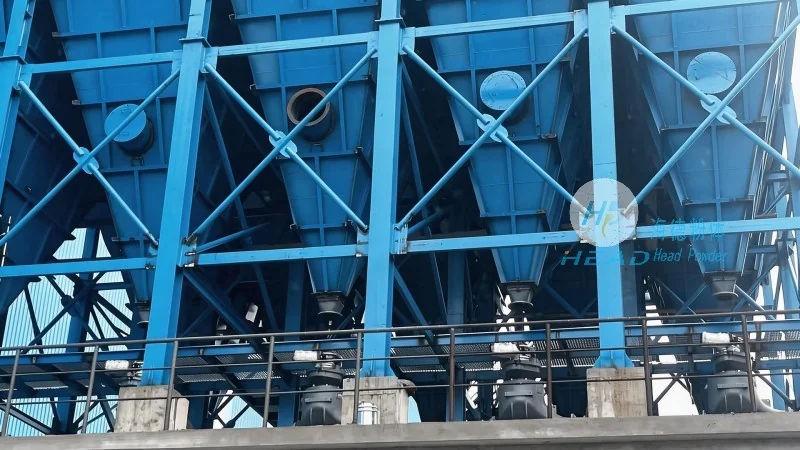
Working Scene Characteristics and Applications
Dry sludge pneumatic conveying equipment is widely used in various industrial and municipal applications where the efficient handling of dry sludge is essential. Common working scenes include wastewater treatment plants, where it is used to transport dry sludge from dewatering units to storage or disposal facilities; industrial facilities that generate dry sludge as a byproduct of their operations, such as food processing or chemical manufacturing; and municipal solid waste management systems, where it helps in the transport of dry organic waste for further processing or disposal. The equipment is particularly advantageous in scenarios where traditional conveyance methods, such as truck transport or gravity flow, are impractical or inefficient due to the nature of the sludge or the operational constraints of the site.
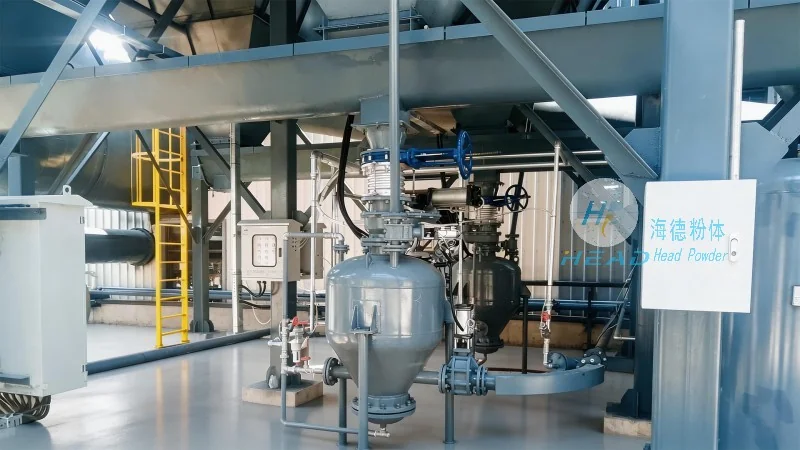
Advantages and Benefits of Dry Sludge Pneumatic Conveying
Implementing dry sludge pneumatic conveying equipment offers several significant advantages over conventional sludge transport methods. One of the primary benefits is the elimination of water usage, which reduces the overall volume of sludge to be handled and minimizes the need for additional water treatment processes. This not only conserves water resources but also simplifies the overall waste management workflow. Additionally, the equipment provides a hygienic and enclosed transport system, preventing the spread of odors, dust, and pathogens associated with traditional sludge handling methods. The compact design of the equipment allows for easy integration into existing facilities, reducing installation time and costs. Furthermore, the system offers high efficiency in terms of energy consumption and operational reliability, with minimal maintenance requirements and the ability to operate continuously without interruption.
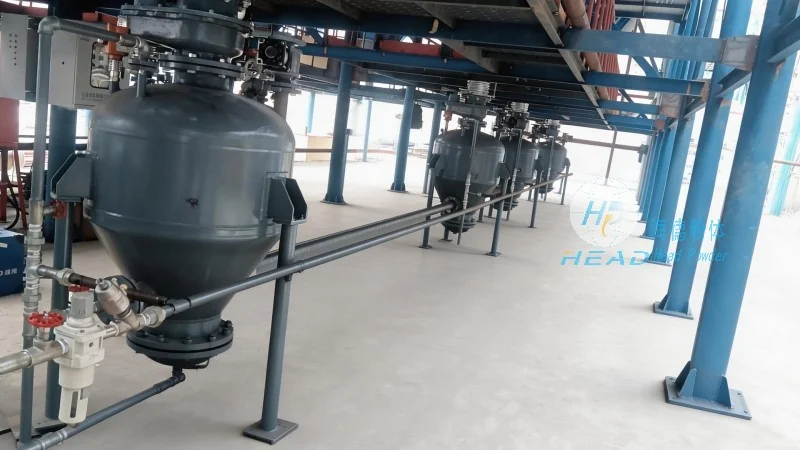
Operational Considerations and Maintenance
When operating dry sludge pneumatic conveying equipment, several factors must be considered to ensure optimal performance and longevity. Proper maintenance is crucial, including regular inspection of the air compressor, pipeline system, and feeder mechanisms to identify and address any potential issues before they escalate. The air pressure and flow rates must be monitored and adjusted as needed to maintain consistent sludge transport. Additionally, the particle size and moisture content of the dry sludge should be controlled to prevent blockages or reduced conveying efficiency. By adhering to these operational considerations, users can maximize the efficiency and lifespan of the equipment, ensuring reliable and cost-effective sludge transport in their working environments.
About Shandong HeadPowder Engineering Co., Ltd.
Shandong HeadPowder Engineering Co., Ltd., commonly known as headpowder, is a leading manufacturer and supplier of dry sludge pneumatic conveying equipment and related waste management solutions. With a focus on innovation and quality, the company has established itself as a trusted partner in the waste treatment industry, providing customized equipment solutions tailored to the specific needs of its clients. Headpowder's products are designed to meet the highest standards of performance, reliability, and safety, ensuring that clients can achieve efficient and sustainable sludge management in their operations. The company's headquarters is located in Shandong, China, where it continues to develop and refine its technology to meet the evolving demands of the waste management sector.




