HeadPowder, a leading provider in the field of material handling solutions, specializes in the design, manufacturing, and installation of advanced feed powder pneumatic conveying systems. This article delves into the fundamental principles behind these systems and highlights the key working scene characteristics that make them indispensable in modern feed processing operations.
Understanding the Core Principles of Feed Powder Pneumatic Conveying Systems
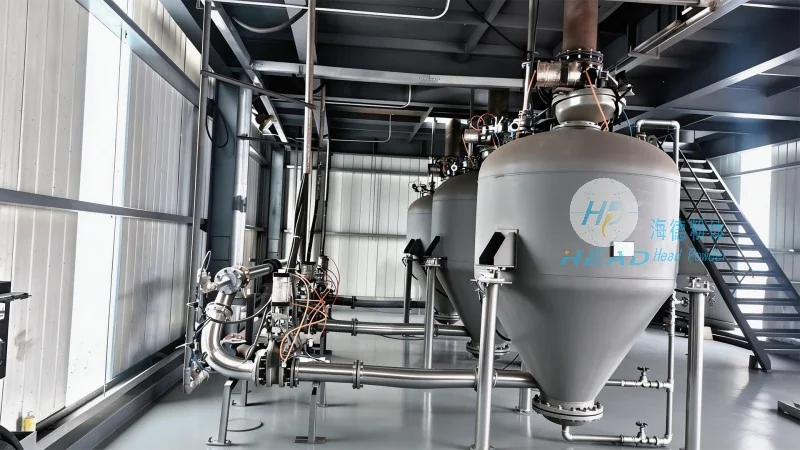
The primary principle of a feed powder pneumatic conveying system is the use of compressed air or gas to transport bulk materials, such as feed powders, from one location to another. Unlike traditional mechanical conveying methods, which rely on gravity or mechanical components like belts or screws, pneumatic systems utilize the force of air to move materials through a pipeline network. This method offers several advantages, including the ability to handle fine, dusty, or abrasive powders without the risk of material degradation or equipment wear. The system typically consists of a feeding device, a conveying line, a control unit, and a discharge point. The feeding device, often a rotary valve or a star feeder, introduces the feed powder into the pipeline at a controlled rate. Compressed air is then introduced, creating a flow that propels the powder particles through the line. The control unit regulates the air pressure and flow rate to ensure efficient and safe operation. The discharge point, which may include a filter or a cyclone separator, collects the conveyed material and removes any entrained air.
Key Working Scene Characteristics of Feed Powder Pneumatic Conveying Systems
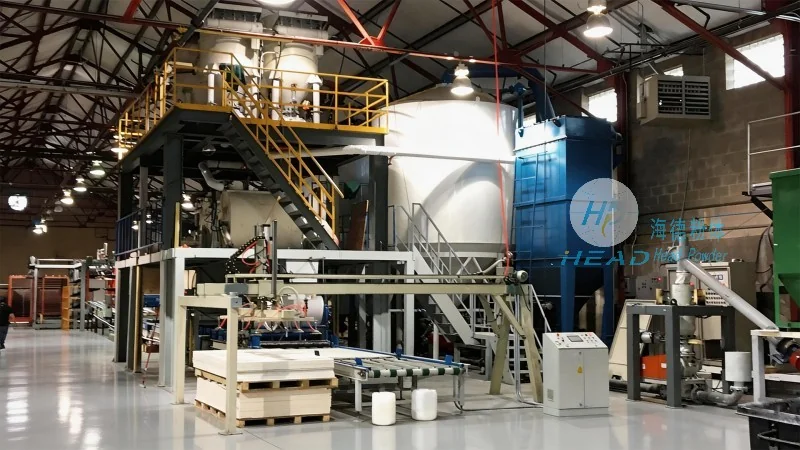
Feed powder pneumatic conveying systems are widely employed in various working scenes within the feed industry. Their characteristics are tailored to meet the specific demands of each application, ensuring optimal performance and reliability. One of the most common working scenes is in feed mills and processing plants, where these systems are used to transport raw materials, such as grains and powders, from storage silos to processing equipment. The ability to handle large volumes of material with minimal downtime makes them ideal for continuous production lines. Another significant working scene is in animal feed manufacturing facilities, where the systems are used to convey finished feed products to packaging lines or storage silos. The hygienic design of these systems, with smooth surfaces and easy-to-clean components, is crucial in maintaining food safety standards. Additionally, in agricultural settings, pneumatic conveying systems are used to transport feed from processing plants to farms or storage facilities, ensuring efficient distribution and reducing manual handling risks. The flexibility of these systems allows them to be integrated into existing infrastructure, adapting to different layout configurations and production scales.
Advantages and Considerations in Different Working Scenarios
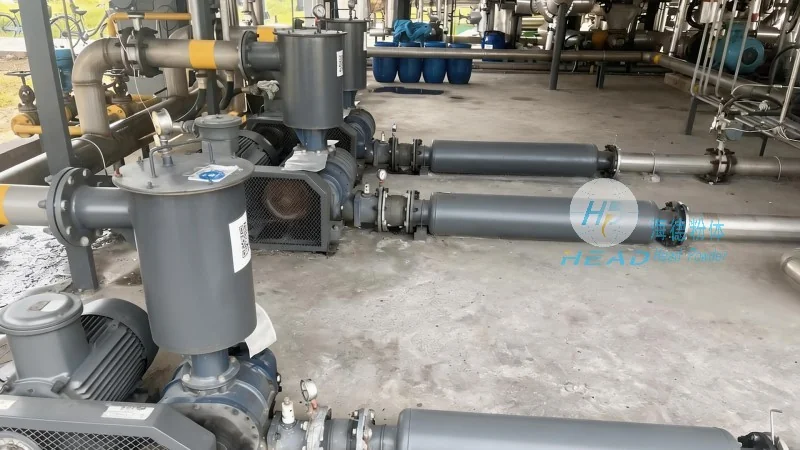
When evaluating feed powder pneumatic conveying systems for specific working scenes, several factors must be considered to ensure optimal performance. The system's design must account for the characteristics of the feed powder, including particle size, moisture content, and flowability. For example, systems handling very fine powders may require higher air velocities to prevent clogging, while those with larger particles may use lower velocities to reduce energy consumption. The working scene's layout and space constraints also play a critical role in system selection. In confined spaces, such as small feed mills, compact and flexible systems are preferred, whereas larger facilities may accommodate more extensive pipeline networks. Maintenance and operational costs are also important considerations. Pneumatic systems generally have lower maintenance requirements compared to mechanical systems, as they have fewer moving parts and are less prone to wear. However, the cost of compressed air and energy consumption must be factored into the overall operational budget. In summary, the working scene characteristics of feed powder pneumatic conveying systems are closely tied to the specific needs of the application, making them a versatile and reliable solution for various feed processing operations.




