Silica micropowder, a fine particulate material widely used in various industrial applications, presents unique challenges and opportunities when it comes to material handling. The pneumatic conveying of such powders is a critical process that ensures efficient, safe, and reliable transportation. This article explores the fundamental principles behind silica micropowder pneumatic conveying and highlights the key characteristics of different working scenes where this technology is applied.
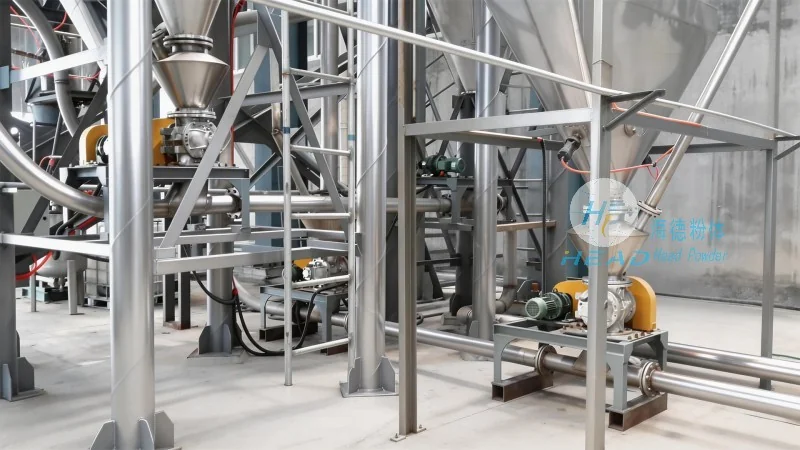
The Core Principle of Pneumatic Conveying for Silica Micropowders
Pneumatic conveying relies on the use of a gas stream, typically air, to transport solid particles through a pipeline. For silica micropowders, which are often characterized by their fine particle size and potential for dust generation, the design of the conveying system must address several critical factors. The primary principle involves creating a sufficient pressure differential or velocity in the air stream to lift and move the powder particles. This is achieved through a combination of positive pressure (pressure pneumatic conveying) or negative pressure (vacuum pneumatic conveying) systems, depending on the specific application requirements and the distance over which the material needs to be transported.
In the case of silica micropowders, the particle size distribution, density, and flowability are key parameters that influence the choice of conveying method. Fine powders, like silica micropowders, are prone to agglomeration and can create blockages if not handled properly. Therefore, the conveying system must incorporate features such as proper air-to-solid ratios, appropriate pipeline diameters, and effective separation and collection mechanisms to maintain system efficiency and prevent material loss or system failure.
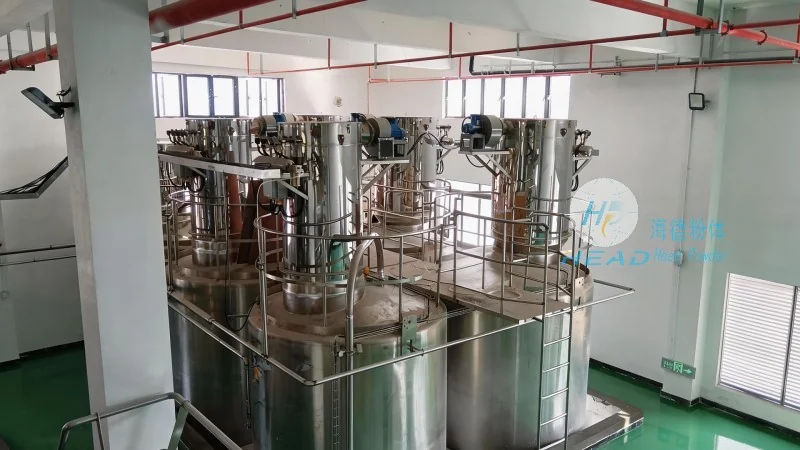
Key Working Scene Characteristics of Silica Micropowder Pneumatic Conveying
The application of pneumatic conveying for silica micropowders varies across different industrial sectors, each presenting distinct operational characteristics. Understanding these characteristics is essential for selecting the most suitable conveying system and ensuring optimal performance.
1. Manufacturing and Processing Plants In manufacturing facilities, silica micropowders are often used as raw materials in the production of coatings, adhesives, and other composite materials. The working scene in such plants typically involves high-volume, continuous operation. The conveying system must be capable of handling large quantities of powder while maintaining consistent flow rates and minimizing product contamination. The design may include multiple transfer points, surge hoppers, and filtration systems to manage the material flow and ensure a stable process.
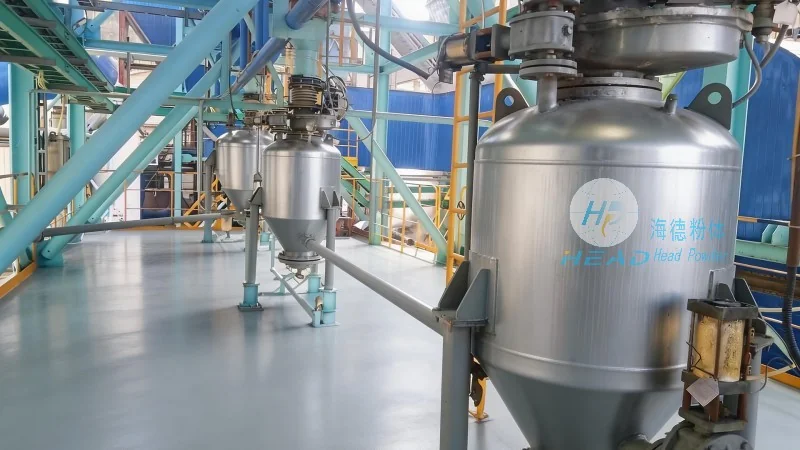
2. Construction and Building Materials Industry Silica micropowders are also utilized in the production of concrete additives, insulation materials, and other building components. The working scene here often involves the transportation of bulk quantities of powder from storage silos to processing equipment. The conveying system may need to operate under varying ambient conditions, such as temperature fluctuations or humidity changes, which can affect the powder's properties and the system's performance. The system design must account for these environmental factors to maintain reliability and efficiency.
3. Pharmaceutical and Food Processing Although less common for silica micropowders due to their industrial nature, some applications in the pharmaceutical and food sectors may require the use of high-purity silica powders. The working scene in these industries demands stringent cleanliness and safety standards. The pneumatic conveying system must incorporate dust collection and filtration systems that meet regulatory requirements, ensuring that the powder is handled in a sterile and contamination-free environment. The system design may also include explosion-proof features and material compatibility considerations to meet the specific needs of these sectors.




