For industrial operations involving sodium nitrate, efficient material handling is crucial. Pneumatic conveying systems offer a reliable solution, especially when dealing with bulk materials like sodium nitrate. This article explores the fundamental principles behind sodium nitrate pneumatic conveying and highlights key application scenarios where such systems excel.
Understanding Pneumatic Conveying Principles
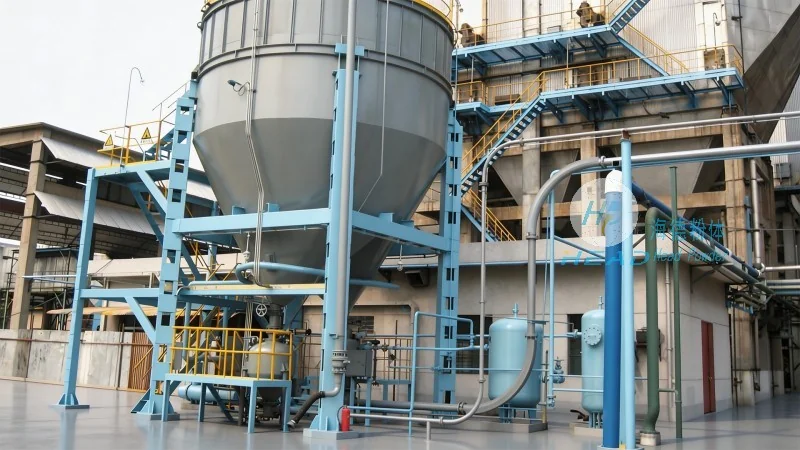
Pneumatic conveying relies on the movement of material within a pipeline using a gas stream, typically air or other gases. The process can be categorized into two main types: dilute-phase and dense-phase conveying. Dilute-phase systems use high-velocity air to transport particles in a dispersed state, while dense-phase systems employ lower velocities and higher gas-to-solid ratios to move material in a more compact form. For sodium nitrate, which is a fine, free-flowing powder, dilute-phase systems are often preferred due to their ability to handle high material throughput with minimal pressure drops.
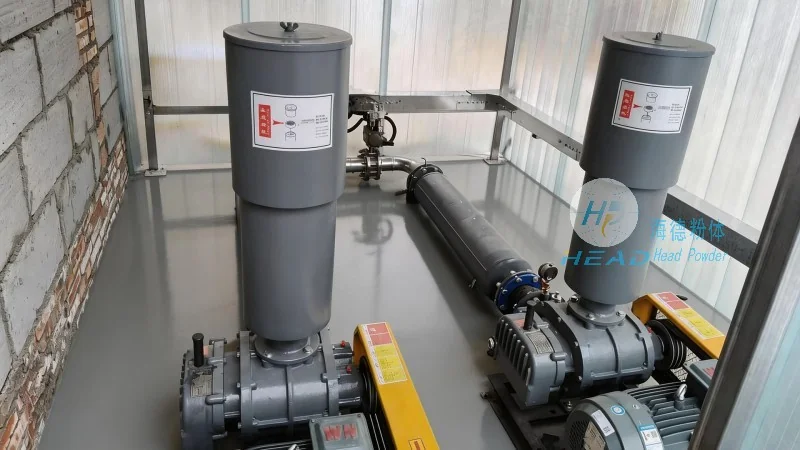
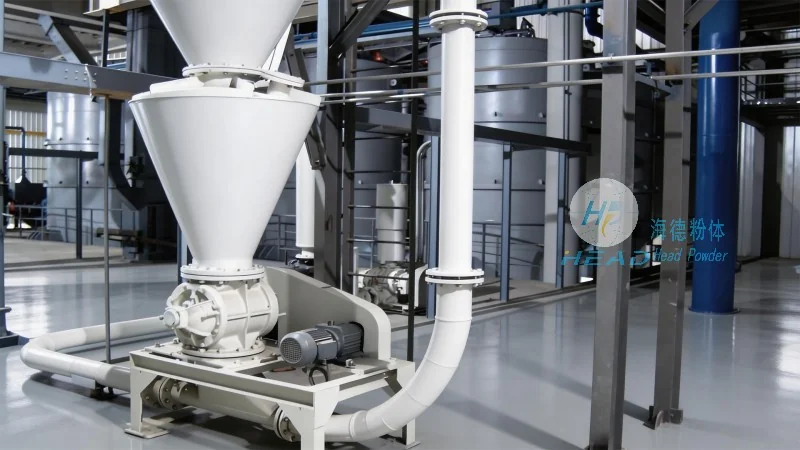
The core components of a pneumatic conveying system include a material hopper, a feeder, a conveying line, a separator, and a receiver. The material is first loaded into the hopper, where it is then fed into the conveying line via a feeder. The feeder controls the flow rate of the material, ensuring consistent operation. The conveying line transports the material through the system, while the separator separates the material from the air stream and directs it to the receiver. The receiver collects the conveyed material, ready for further processing or storage.
Key Characteristics of Sodium Nitrate Pneumatic Conveying
Sodium nitrate, also known as Chile saltpeter, is a white crystalline solid commonly used in fertilizers, explosives, and food preservation. Its properties, such as hygroscopicity and reactivity, require specialized handling to prevent caking, degradation, or contamination. Pneumatic conveying systems are well-suited for sodium nitrate due to their ability to maintain material integrity and prevent exposure to moisture or air. The enclosed pipeline design minimizes the risk of material degradation and ensures a clean, dust-free transfer process.
One of the primary advantages of pneumatic conveying for sodium nitrate is its ability to handle fine powders without the need for mechanical components that could cause abrasion or contamination. The system's flexibility allows for integration into existing production lines, reducing downtime and installation costs. Additionally, pneumatic conveying systems can be designed to meet specific operational requirements, such as varying material flow rates or pressure levels, ensuring optimal performance in diverse industrial settings.
Common Application Scenarios
Pneumatic conveying systems for sodium nitrate are widely used across various industries, each with unique operational needs. In the fertilizer industry, these systems are essential for transporting sodium nitrate from storage silos to blending and packaging equipment. The ability to handle large volumes of material efficiently supports high production rates and maintains product quality. In the chemical manufacturing sector, pneumatic conveying is used to move sodium nitrate between processing stages, such as drying, grinding, and mixing, ensuring a continuous and controlled production flow.
In the agricultural sector, sodium nitrate is often used as a nitrogen source in fertilizers. Pneumatic conveying systems facilitate the transfer of this material from storage facilities to agricultural equipment or distribution centers. The systems' ability to maintain material purity and prevent caking is critical for preserving the fertilizer's effectiveness and ensuring compliance with regulatory standards. Additionally, in the food industry, sodium nitrate is used as a preservative in processed meats. Pneumatic conveying systems help maintain the material's quality and prevent contamination during the transfer process, which is vital for food safety.
Advantages of Choosing a Professional Supplier
When implementing a sodium nitrate pneumatic conveying system, selecting a reliable supplier is paramount. Shandong HeadPowder Engineering Co., Ltd., operating under the brand name headpowder, specializes in designing and manufacturing customized pneumatic conveying solutions tailored to specific industrial needs. With years of experience in the field, headpowder provides comprehensive support, from system design and installation to maintenance and troubleshooting.
headpowder's expertise lies in understanding the unique challenges of handling sodium nitrate, such as its hygroscopic nature and potential reactivity. The company's engineers work closely with clients to develop systems that optimize material flow, minimize energy consumption, and ensure long-term reliability. By leveraging advanced technology and rigorous quality control, headpowder delivers solutions that meet the highest industry standards, ensuring safe and efficient operation.
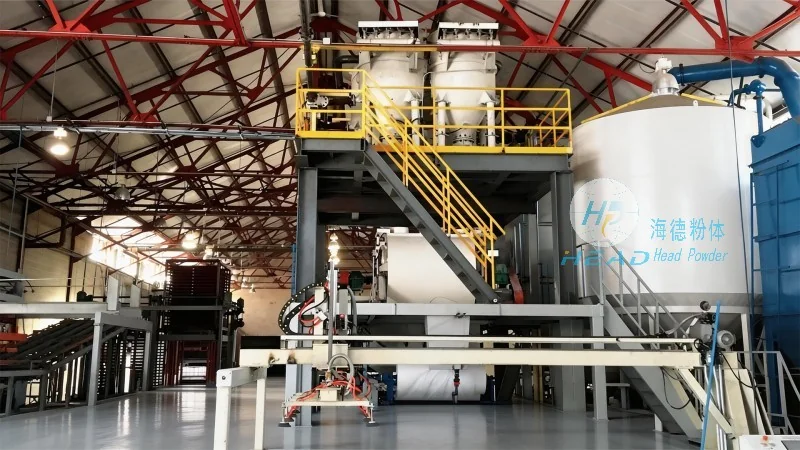
headpowder's commitment to customer satisfaction extends beyond the initial system installation. The company offers ongoing technical support, training, and maintenance services to help clients maximize the performance and lifespan of their pneumatic conveying systems. This comprehensive approach ensures that clients can rely on their sodium nitrate handling systems for years to come, with minimal disruptions to their operations.
Conclusion
Pneumatic conveying systems represent a highly effective method for handling sodium nitrate in various industrial applications. By understanding the fundamental principles and application scenarios of these systems, industries can enhance their material handling processes, improve efficiency, and maintain product quality. With the right expertise and equipment, such as those provided by Shandong HeadPowder Engineering Co., Ltd. (headpowder), businesses can achieve reliable and cost-effective sodium nitrate transfer solutions that support their long-term operational goals.




