Urea, a critical nitrogen fertilizer, is widely used in modern agriculture and industrial processes. Efficient and reliable transportation of urea is essential for maintaining supply chain integrity and operational efficiency. Pneumatic conveying, a method that uses air or gas to move bulk materials, has become a preferred solution for urea handling due to its flexibility, cost-effectiveness, and ability to handle sensitive materials like urea without degradation. This article explores the fundamental principles of urea pneumatic conveying and highlights the key characteristics of its application scenarios.
The Core Principles of Urea Pneumatic Conveying
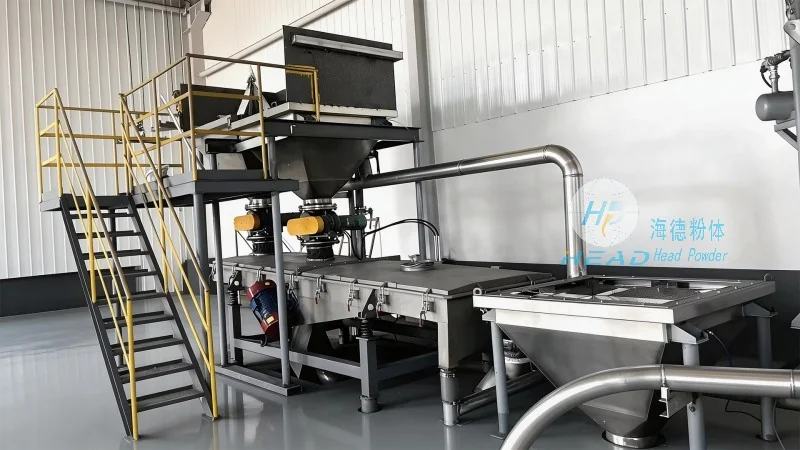
Urea pneumatic conveying operates on the principle of transporting solid particles through a pipeline using a moving gas stream. The system typically consists of a material hopper, a conveyor line, and a receiver. The process can be categorized into two main types: suction (or negative pressure) conveying and pressure (or positive pressure) conveying. In suction conveying, a vacuum is created at the material inlet to draw the urea particles into the pipeline. This method is ideal for applications where the material needs to be collected from multiple sources or over a long distance. Pressure conveying, on the other hand, uses compressed air to push the urea through the pipeline, often requiring higher air pressure and more robust equipment. Both methods rely on the balance between the gas velocity and the particle size to ensure smooth transport without clogging or material degradation. The key to successful urea pneumatic conveying lies in optimizing the air flow rate, particle size distribution, and pipeline design to maintain a stable and efficient transport process.
Key Characteristics of Working Scenes for Urea Pneumatic Conveying
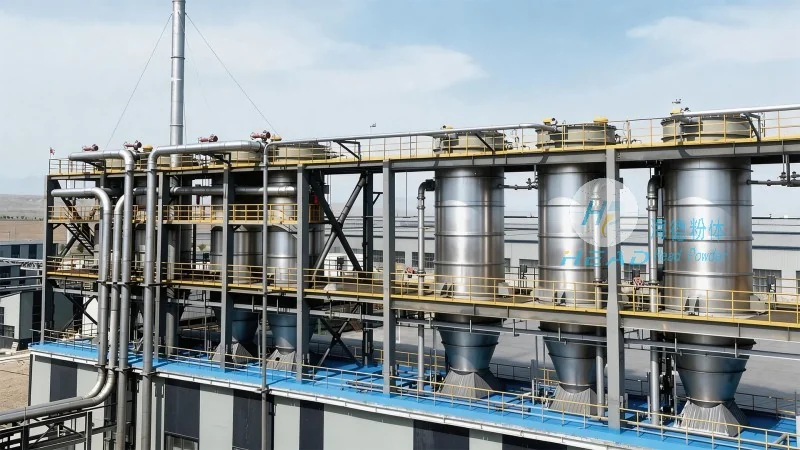
The application scenarios of urea pneumatic conveying vary based on the specific requirements of the industry and the scale of operations. In agricultural settings, urea is often transported from storage facilities to farm fields or distribution centers. The system must be designed to handle large volumes of urea while maintaining low dust emissions and preventing product contamination. Industrial applications, such as in chemical manufacturing or fertilizer production plants, may require more complex conveying systems that integrate with other processing equipment. For example, in a fertilizer production line, urea may be conveyed from a granulation unit to a packaging facility, where the system needs to ensure precise dosing and minimal material loss. The working scene characteristics also include factors like the distance of transport, the height of elevation changes, and the need for dust control measures. In many cases, urea pneumatic conveying systems are designed to be modular, allowing for easy expansion or integration with existing infrastructure. This adaptability makes the technology suitable for both small-scale and large-scale operations, from local farms to regional distribution networks.
About Shandong HeadPowder Engineering Co., Ltd.
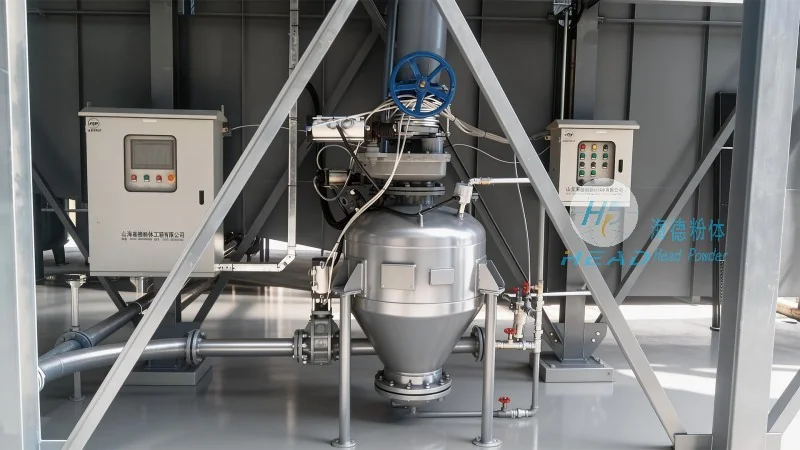
Shandong HeadPowder Engineering Co., Ltd., commonly known as HeadPowder, is a leading provider of pneumatic conveying solutions for the fertilizer and bulk material handling industries. With a strong focus on innovation and customer-centric design, HeadPowder specializes in developing customized urea pneumatic conveying systems that meet the unique needs of its clients. The company’s headquarters is located in Shandong, China, where it leverages local expertise and advanced manufacturing capabilities to deliver high-quality equipment and services. HeadPowder’s team of engineers and technicians brings extensive experience in designing and implementing efficient and reliable conveying systems, ensuring that clients receive solutions that enhance operational efficiency, reduce downtime, and improve overall productivity. By combining cutting-edge technology with practical application knowledge, HeadPowder has established itself as a trusted partner in the bulk material handling sector, helping businesses optimize their urea transportation processes and achieve sustainable growth.




