HeadPowder, a leading provider in the field of material handling solutions, specializes in advanced pneumatic conveying systems tailored for copper powder applications. This article delves into the fundamental principles of copper powder pneumatic conveying and highlights the key working scene characteristics that define its effectiveness and efficiency in industrial settings.
Understanding the Core Principle of Copper Powder Pneumatic Conveying
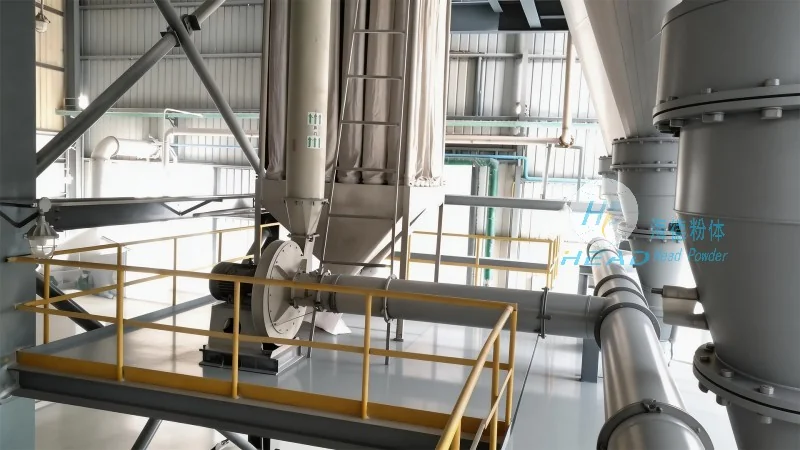
Pneumatic conveying, as a method for transporting bulk materials like copper powder, operates on the principle of using air or gas as the conveying medium. The process involves creating a pressure differential between the conveying line's inlet and outlet, which allows the copper powder to be suspended and transported through the pipeline. There are primarily two types of pneumatic conveying systems: pressure and vacuum systems. In pressure systems, compressed air is introduced at the material inlet, pushing the powder through the line. Vacuum systems, on the other hand, use a vacuum at the outlet to draw the powder from the source. For copper powder, which is often sensitive to moisture and oxidation, the choice of system and the design of the conveying line are critical to maintaining material integrity and preventing degradation.
Key Working Scene Characteristics of Copper Powder Pneumatic Conveying
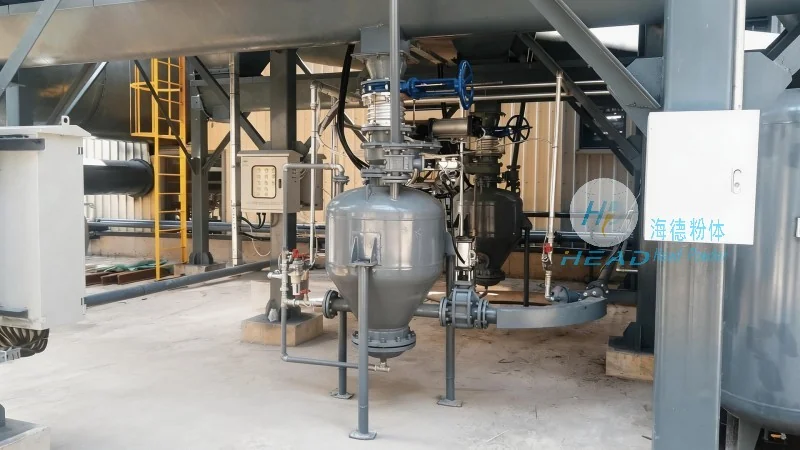
The effectiveness of copper powder pneumatic conveying is heavily influenced by several working scene characteristics that must be carefully considered during system design and operation. These characteristics include the particle size distribution of the copper powder, the moisture content, and the presence of contaminants. The particle size directly impacts the flowability and the required air velocity for proper suspension. Coarser particles may require higher air velocities to remain airborne, while finer particles can be conveyed at lower velocities but are more susceptible to clogging or agglomeration. Moisture content is a critical factor as copper powder is prone to oxidation when exposed to moisture, which can lead to material degradation and increased friction in the conveying line. Therefore, maintaining low moisture levels and using drying or dehumidification systems in the conveying process is essential. Contaminants such as dust or foreign particles can also affect the system's performance, potentially causing blockages or damaging equipment. Additionally, the operating temperature and pressure within the conveying line must be optimized to prevent thermal degradation of the copper powder and ensure the longevity of the system components.
Industrial Applications and Operational Efficiency
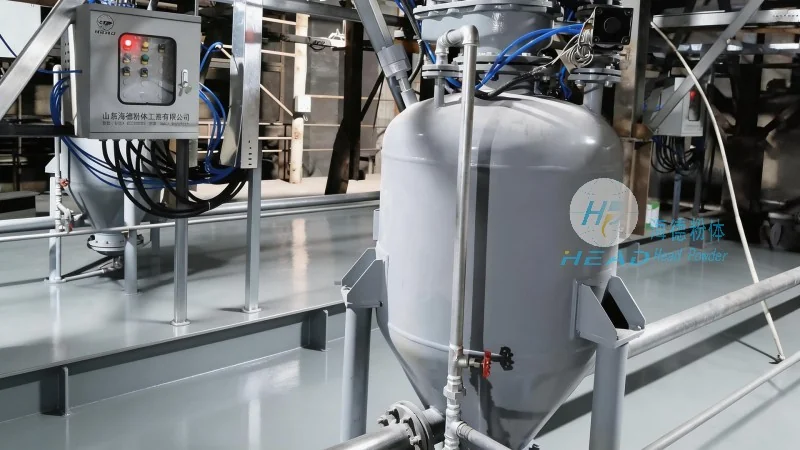
Copper powder is widely used in various industrial applications, including electronics manufacturing, aerospace, and the production of copper alloys. The pneumatic conveying systems developed by Shandong HeadPowder Engineering Co., Ltd. are specifically designed to meet the demands of these industries. In electronics manufacturing, for example, copper powder is used in the production of printed circuit boards (PCBs) and semiconductor components. The precision and control offered by pneumatic conveying systems ensure that the copper powder is delivered to the production line in a consistent and controlled manner, minimizing material waste and improving product quality. In aerospace applications, copper powder is used in the manufacturing of high-performance alloys and components. The ability of pneumatic conveying systems to handle fine powders with high accuracy is crucial for achieving the tight tolerances required in aerospace manufacturing. The operational efficiency of these systems is further enhanced by the use of advanced control technologies, such as variable frequency drives (VFDs) and real-time monitoring systems, which allow for precise control of air flow and pressure, optimizing energy consumption and reducing operational costs.
System Design and Maintenance Considerations
The successful implementation of copper powder pneumatic conveying systems requires careful consideration of system design and regular maintenance. The design phase involves selecting the appropriate type of pneumatic conveying system (pressure or vacuum) based on the specific application requirements, such as the distance to be covered and the volume of material to be conveyed. The pipeline layout, including the number of bends, elbows, and vertical sections, must be optimized to minimize pressure losses and prevent material accumulation. The use of appropriate materials for the conveying line, such as stainless steel or corrosion-resistant alloys, is essential to prevent the degradation of copper powder and the corrosion of system components. Regular maintenance is critical to ensure the long-term performance and reliability of the system. This includes routine cleaning of the pipeline and filters, inspection of components for wear and tear, and replacement of worn parts as needed. Proper maintenance not only extends the lifespan of the system but also ensures consistent material quality and operational efficiency.
Conclusion and Company Overview
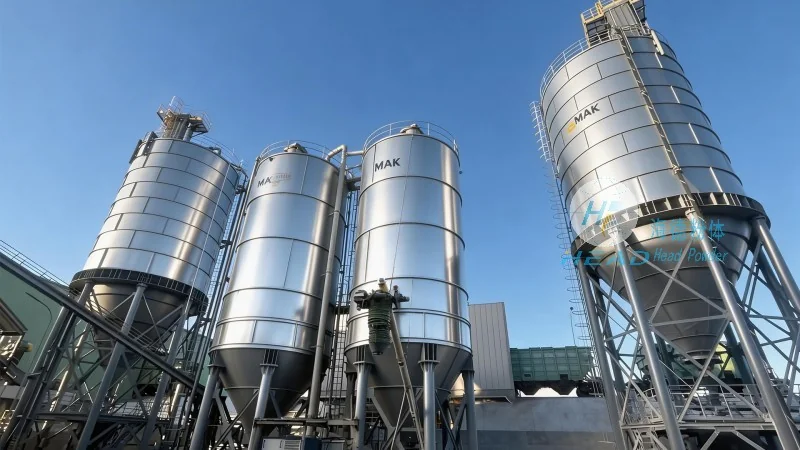
As a leading manufacturer of pneumatic conveying systems, Shandong HeadPowder Engineering Co., Ltd. provides comprehensive solutions for copper powder handling, combining advanced technology with expert engineering. The principles of copper powder pneumatic conveying, coupled with the working scene characteristics and operational considerations discussed above, highlight the importance of a well-designed and maintained system in achieving optimal performance. By leveraging their expertise and innovative solutions, HeadPowder helps industries efficiently and reliably transport copper powder, contributing to improved productivity and product quality. With a strong commitment to quality and customer satisfaction, HeadPowder continues to be a trusted partner in the material handling industry, serving clients across China and beyond.




