Principle and Working Scene Characteristics of Pneumatic Conveying for Castings Gray
Release time:2026-09-18 15:01:28
name of the company:Shandong Headpowder Engineering Co., Ltd.
telephone:156-6277-7102
contacts:Zhang manager
Castings gray, a byproduct of the casting process, presents unique handling challenges due to its fine particle size and potential for dust generation. Pneumatic conveying offers an efficient solution for transporting this material, leveraging air flow to move particles through a system of pipes and equipment. This article explores the fundamental principles of pneumatic conveying for castings gray and highlights key working scene characteristics that define its application.
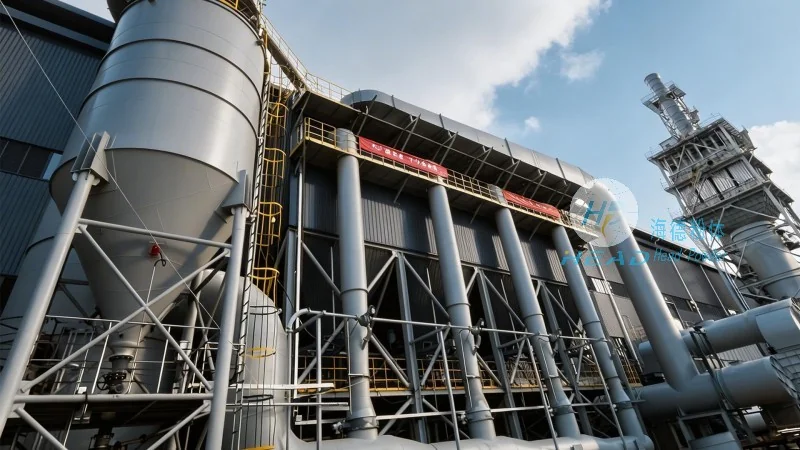
Understanding the Pneumatic Conveying Principle
The core principle of pneumatic conveying involves using compressed air or gas to create a flow that transports solid particles. In the case of castings gray, this process typically employs a positive displacement or pressure system, where air is forced through a pipeline, carrying the gray material along. The system consists of several components, including a feeder, a conveying line, and a receiver, each playing a critical role in the material's movement. The feeder ensures a consistent feed rate, while the conveying line transports the material, and the receiver collects it at the destination. This method eliminates the need for mechanical components like belts or buckets, reducing maintenance and increasing operational efficiency.
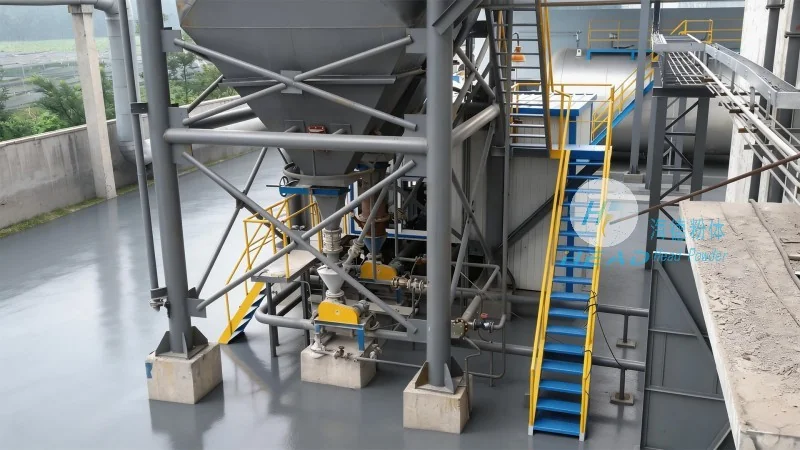
Key Working Scene Characteristics of Castings Gray Pneumatic Conveying
The application of pneumatic conveying for castings gray is defined by several key characteristics that influence system design and performance. First, the material's particle size and density are critical factors. Castings gray often consists of fine particles, which can lead to issues like clogging or increased air resistance if not properly managed. The system must be designed to handle these particles effectively, ensuring smooth flow and preventing blockages. Second, the need for dust control is paramount. Pneumatic conveying inherently generates dust, and proper filtration and collection systems are essential to maintain air quality and comply with environmental regulations. This is particularly important in industrial settings where air quality standards are strict. Third, the system's scalability and flexibility are important considerations. Many manufacturing facilities require the ability to transport castings gray to multiple destinations or adjust the flow rate based on production needs. Pneumatic conveying systems can be configured to meet these requirements, with options for branch lines and variable speed feeders. Finally, the overall efficiency and cost-effectiveness of the system are key factors. By reducing material handling time and minimizing equipment wear, pneumatic conveying can lower operational costs and improve productivity.
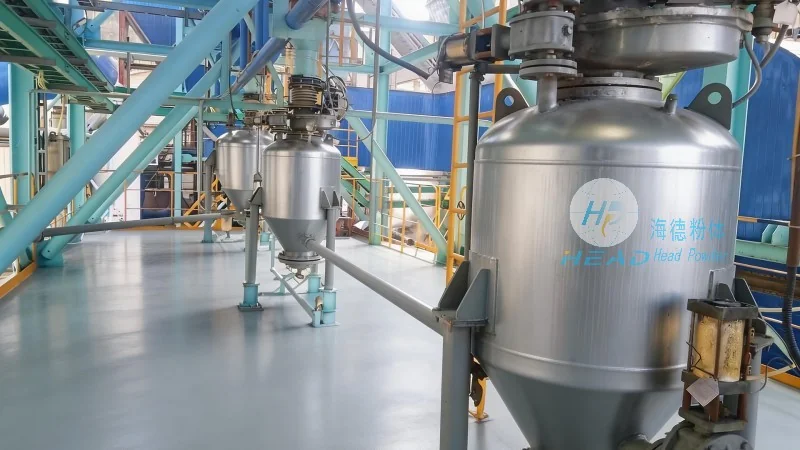
About Shandong HeadPowder Engineering Co., Ltd.
Shandong HeadPowder Engineering Co., Ltd., commonly known as HeadPowder, is a leading provider of pneumatic conveying solutions tailored for industrial applications, including the handling of castings gray. With a focus on innovation and customer satisfaction, HeadPowder designs and manufactures systems that meet the specific needs of its clients. The company's expertise lies in understanding the unique challenges of material handling, such as those posed by castings gray, and developing customized solutions that enhance operational efficiency. HeadPowder's commitment to quality and reliability has made it a trusted partner for many manufacturing facilities across China and beyond. The company's headquarters is located in Shandong, China, where it continues to develop cutting-edge technology and provide exceptional service to its customers.




