Ammonia fertilizer serves as a critical nitrogen source in contemporary agricultural practices, necessitating efficient and reliable handling systems for optimal distribution and application. The pneumatic conveying system designed for ammonia fertilizer is a sophisticated technology that facilitates the transport of bulk ammonia fertilizer from storage silos to processing or application points. This system leverages the principles of fluidization and gas-solid two-phase flow to achieve seamless material transfer, thereby enhancing operational efficiency and safety.
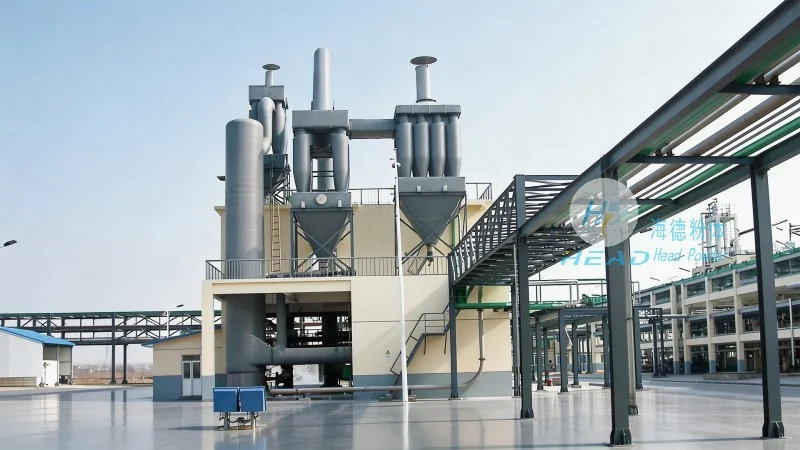
Company Introduction
Headpowder, a leading engineering firm headquartered in Shandong, China, specializes in the design, manufacturing, and installation of advanced pneumatic conveying systems. With years of industry experience, Headpowder has established itself as a trusted partner for agricultural and industrial clients seeking high-performance fertilizer handling solutions. The company's commitment to innovation and quality ensures that its systems meet the stringent requirements of modern fertilizer production and distribution.
Working Principle of Pneumatic Conveying System
The core of the ammonia fertilizer pneumatic conveying system revolves around the utilization of air as the conveying medium. The system operates by establishing a pressure differential between the inlet and outlet of the conveying line. Air is introduced into the system at a controlled pressure, typically ranging from low to high pressure based on the distance and material characteristics. This pressurized air then lifts and transports the ammonia fertilizer particles through the pipeline. The process involves several key components, including a feeder, a compressor, a conveying line, and a receiver, each playing a critical role in the overall operation.
Key Components and Their Functions
1. Feeder: The feeder is responsible for accurately metering the ammonia fertilizer from the storage silo into the conveying line. It ensures a consistent flow rate, preventing blockages and maintaining system stability. Different types of feeders, such as rotary valves or screw feeders, are employed based on the specific requirements of the fertilizer and the system design.
2. Compressor: The compressor generates the necessary air pressure to move the fertilizer particles. It can be a positive displacement type or a centrifugal type, selected based on the system's capacity and pressure needs. The compressor's performance directly impacts the conveying efficiency and distance.
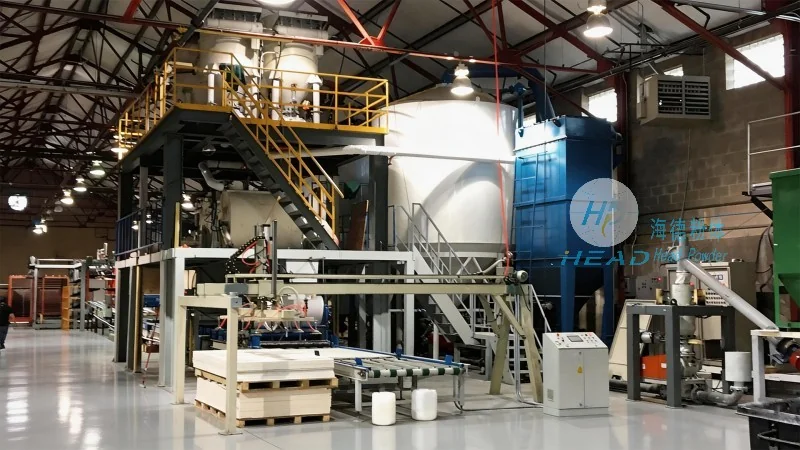
3. Conveying Line: The pipeline, usually constructed from stainless steel or other corrosion-resistant materials, is designed to withstand the chemical properties of ammonia fertilizer and the pressure from the air. The line's diameter and length are optimized to minimize pressure drop and energy consumption during transport.
4. Receiver: The receiver collects the conveyed ammonia fertilizer at the destination point. It is equipped with a dust collection system to ensure environmental compliance and operational safety. The receiver's design allows for easy unloading and integration with downstream processes.
Operation Process of the System
The operation of the ammonia fertilizer pneumatic conveying system follows a systematic sequence to ensure smooth and continuous material transfer. The process begins with the preparation phase, where the storage silo is checked for proper level and the feeder is calibrated. Next, the compressor is started, and the air pressure is adjusted to the required level. The feeder then begins to discharge the ammonia fertilizer into the conveying line, where it is carried by the pressurized air.
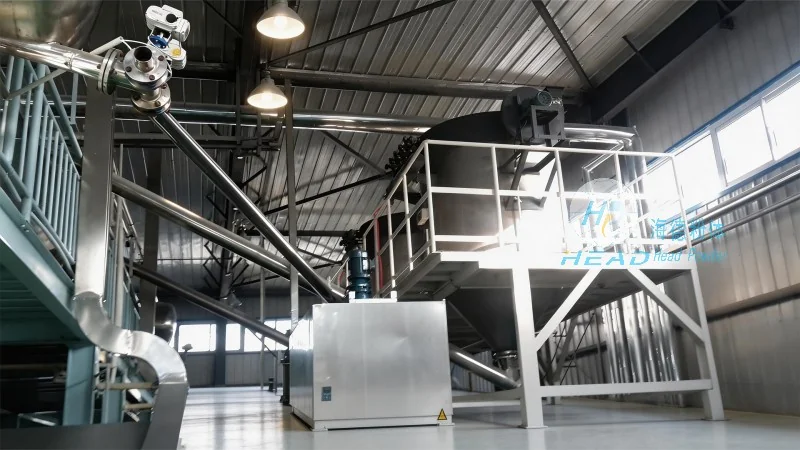
During the conveying phase, the system monitors key parameters such as pressure, flow rate, and temperature to maintain optimal performance. Any deviations are automatically adjusted by the control system to prevent system failures or material degradation. The receiving process involves the depressurization of the line and the controlled discharge of the fertilizer into the receiver. Finally, the system is shut down, and the receiver is emptied or prepared for the next batch.
Advantages of Pneumatic Conveying for Ammonia Fertilizer
The pneumatic conveying system offers several advantages over traditional methods like belt conveyors or trucks. Firstly, it provides a fully enclosed and dust-free environment, reducing environmental impact and improving workplace safety. Secondly, the system is highly efficient, with lower energy consumption and minimal material loss compared to other methods. Additionally, the system can handle a wide range of fertilizer types and particle sizes, making it versatile for various applications. The automated control system also enhances operational reliability and reduces labor costs.
Applications and Industries
Ammonia fertilizer pneumatic conveying systems are widely used in the agricultural sector, particularly in large-scale fertilizer production and distribution centers. They are also employed in industrial settings where ammonia is used as a raw material in chemical processes. The system's ability to transport bulk materials over long distances makes it ideal for integrating with existing production lines and supply chains. Headpowder's systems have been successfully implemented in various regions, demonstrating their adaptability and effectiveness in different operational environments.
Conclusion
In conclusion, the ammonia fertilizer pneumatic conveying system is a vital technology for modern agriculture and industry. Its efficient operation, combined with the expertise of companies like Shandong HeadPowder Engineering Co., Ltd., ensures that ammonia fertilizer is handled safely and effectively. By understanding the working principles and operation process of this system, stakeholders can make informed decisions about implementing or upgrading their fertilizer handling infrastructure. The continued development of such systems will contribute to the sustainability and productivity of the agricultural sector worldwide.




