HeadPowder, a leading engineering firm based in Shandong, China, specializes in the design and implementation of advanced pneumatic conveying systems for mineral sands and powders. This article delves into the fundamental working principles and key characteristics of such systems, providing a comprehensive overview for industry professionals and potential clients.
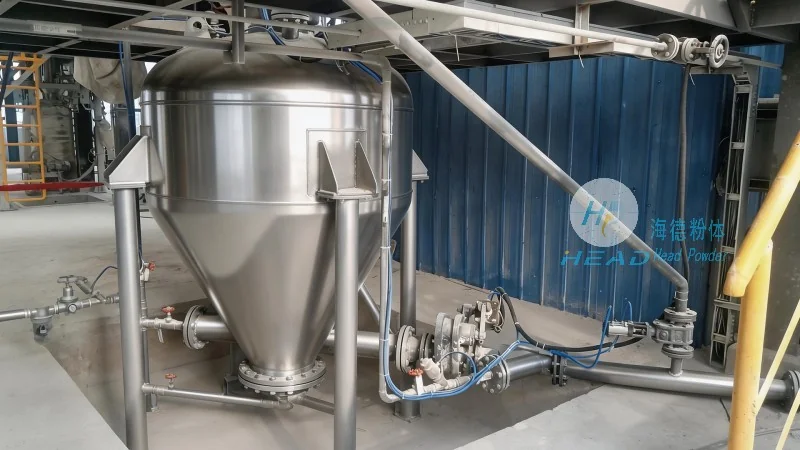
Understanding Pneumatic Conveying Systems for Mineral Sands
Pneumatic conveying is a method of transporting bulk materials, including mineral sands and powders, through a pipeline using a gas stream, typically air or other gases. The process involves several critical components and operational mechanisms that ensure efficient and reliable material transport. At HeadPowder, our expertise lies in optimizing these systems to meet the specific demands of mineral processing applications.
The Core Working Principle of Pneumatic Conveying
The fundamental principle of pneumatic conveying for mineral sands and powders is the use of a pressurized or vacuum air stream to move particles through a pipeline. There are two primary types of pneumatic conveying systems: dilute-phase and dense-phase. Dilute-phase systems operate at higher velocities, allowing particles to be suspended in the air stream, while dense-phase systems use lower velocities to transport materials in a more compact form, reducing the risk of particle degradation and system wear.
In a typical dilute-phase system, material is introduced into a high-velocity air stream at the inlet, where it is suspended and carried through the pipeline to the discharge point. The air then passes through a separator, where the material is separated from the air and collected. Dense-phase systems, on the other hand, use a lower air velocity and often a venturi or other pressure drop device to create a slug of material that moves through the pipeline. This method is particularly effective for transporting abrasive or sensitive materials, as it minimizes particle impact and friction.
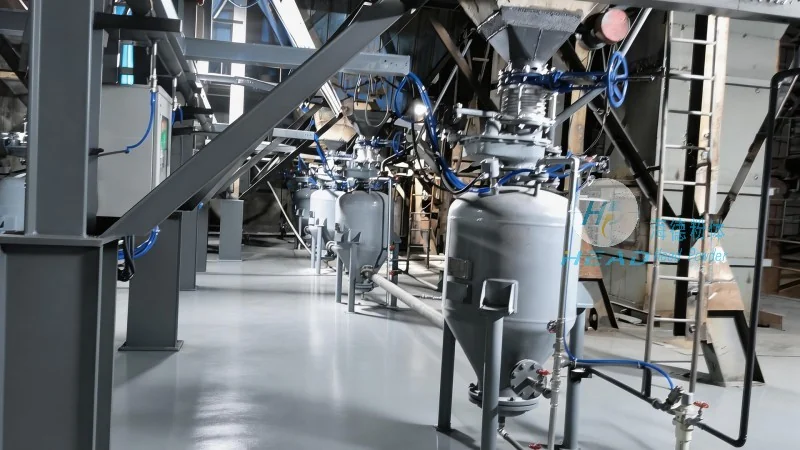
Key Characteristics of Pneumatic Conveying Systems
Several distinct characteristics define the performance and suitability of pneumatic conveying systems for mineral sands and powders. These include system efficiency, material handling capacity, and operational flexibility. HeadPowder's engineering solutions are tailored to enhance these characteristics, ensuring optimal performance in various industrial settings.
Efficiency and Material Handling Capacity
Efficiency in pneumatic conveying systems is measured by the ability to transport materials with minimal energy consumption and maximum throughput. The design of the system, including the air velocity, pipeline diameter, and material feed rate, directly impacts overall efficiency. At HeadPowder, we utilize advanced computational fluid dynamics (CFD) and material flow analysis to optimize system design, ensuring that the conveying system operates at peak efficiency while handling the required volume of mineral sands and powders.
Material handling capacity refers to the maximum amount of material that can be transported through the system under given conditions. This is influenced by factors such as the particle size distribution, density, and flowability of the mineral sand or powder. Dense-phase systems are often preferred for high-capacity applications, as they can transport larger volumes of material with lower air consumption compared to dilute-phase systems. HeadPowder's systems are engineered to handle a wide range of material types and volumes, from small-scale laboratory applications to large-scale industrial operations.
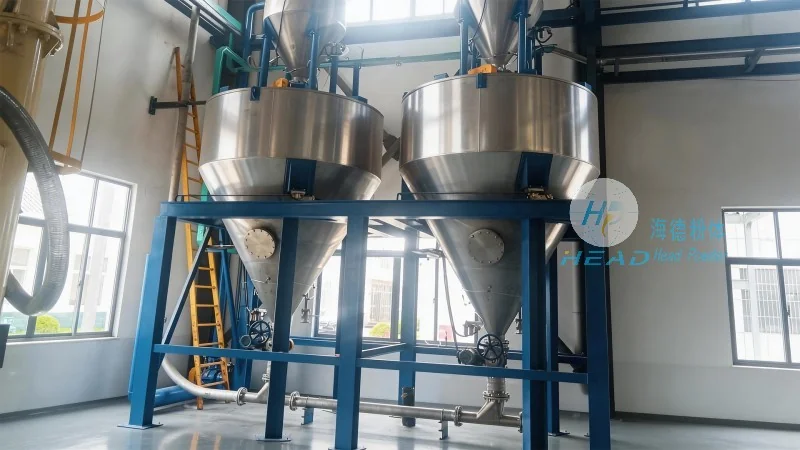
Operational Flexibility and System Reliability
Operational flexibility is a critical characteristic of pneumatic conveying systems, as it allows for adjustments in material flow rates, pipeline routing, and system configuration to accommodate changing production needs. HeadPowder's systems are designed with modular components, enabling easy integration and modification without extensive downtime. This flexibility is particularly valuable in mineral processing plants, where production schedules and material types may vary.
System reliability is another key characteristic, as downtime can significantly impact operational costs and productivity. Pneumatic conveying systems, when properly designed and maintained, offer high reliability due to the absence of moving parts in the conveying line (excluding the feed and discharge equipment). However, factors such as material abrasiveness, moisture content, and system pressure can affect long-term reliability. HeadPowder employs robust materials and advanced control systems to enhance system durability and minimize maintenance requirements.
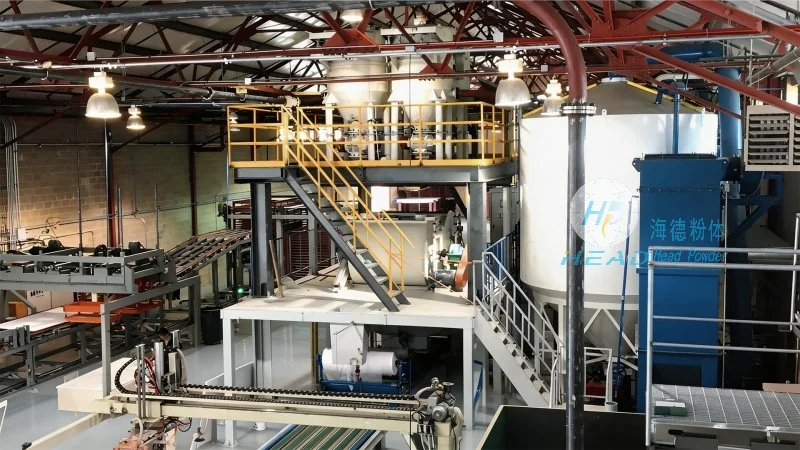
Application-Specific Considerations for Mineral Sands and Powders
When applying pneumatic conveying systems to mineral sands and powders, several factors must be considered to ensure optimal performance. These include the physical properties of the material, such as particle size, density, and moisture content, as well as the specific processing requirements of the application. For example, abrasive mineral sands may require special wear-resistant materials for the pipeline and components to prevent premature wear and failure.
Moisture content is another important consideration, as high moisture levels can lead to material caking or blockages in the pipeline. HeadPowder's systems incorporate features such as drying or moisture control mechanisms to address this issue, ensuring consistent material flow and preventing system downtime. Additionally, the presence of dust or fine particles may necessitate dust collection and filtration systems to comply with environmental regulations and maintain workplace safety.
Conclusion and Company Expertise
Pneumatic conveying systems represent a highly effective and versatile method for transporting mineral sands and powders, offering advantages such as minimal material degradation, flexible system design, and efficient material handling. HeadPowder, with its headquarters in Shandong, China, brings decades of experience and technical expertise to the design and implementation of these systems. Our commitment to innovation and customer satisfaction ensures that we provide tailored solutions that meet the unique needs of our clients in the mineral processing industry.




