For industrial applications that require efficient material handling, polypropylene pneumatic conveying systems have emerged as a reliable solution. This technology involves the use of air to transport polypropylene particles from one location to another, offering advantages such as reduced contamination, lower maintenance, and the ability to handle a wide range of particle sizes and shapes. Understanding the fundamentals of this system, including its design principles, is crucial for selecting the right equipment and ensuring optimal performance in various industrial settings.
Polypropylene Pneumatic Conveying: An Overview
Polypropylene (PP) is a thermoplastic polymer widely used in manufacturing due to its durability, chemical resistance, and low cost. When processed as a powder or granules, polypropylene can be effectively transported using pneumatic conveying systems. These systems utilize compressed air to create a flow that moves the polypropylene material through pipes or ducts. The process is often categorized into two main types: pressure and vacuum systems, each with distinct characteristics and applications.
The Core Design Principles of Polypropylene Pneumatic Conveying Systems
The design of a polypropylene pneumatic conveying system is based on several key principles that ensure efficient and safe material transport. First, the system must maintain sufficient air velocity to keep the polypropylene particles suspended and prevent clogging. This is typically achieved by calculating the appropriate air flow rate and pressure, which depends on the particle size, density, and the length of the conveying line. Second, the system must incorporate appropriate equipment such as air compressors, cyclone separators, and dust collectors to manage the air and material flow effectively. The selection of these components is critical to prevent material degradation and ensure environmental compliance.
Key Components and Their Roles in Polypropylene Pneumatic Conveying Systems
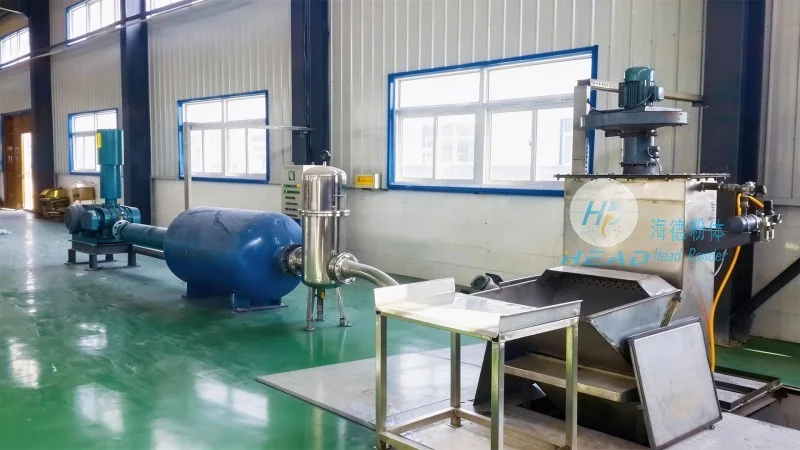
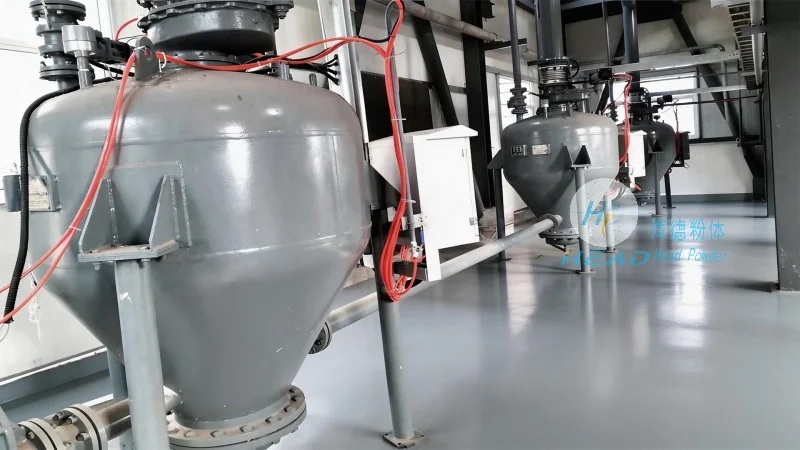
Several components work together to make a polypropylene pneumatic conveying system functional. The air compressor is the primary source of pressure, providing the necessary force to move the material. The hopper or feeder is used to introduce the polypropylene material into the system, ensuring a consistent flow. The conveying line, usually made of materials like stainless steel or polypropylene itself to prevent corrosion, transports the material from the source to the destination. Cyclone separators are installed at the receiving end to separate the polypropylene particles from the air stream, while dust collectors may be used to capture any fine particles and prevent air pollution. Finally, the system may include control valves and sensors to monitor and adjust the flow, ensuring optimal performance and safety.
Design Considerations for Optimal Performance
When designing a polypropylene pneumatic conveying system, several factors must be considered to ensure efficiency and reliability. The first consideration is the particle characteristics of the polypropylene, including size, shape, and density, as these affect the air velocity required for suspension. The length and layout of the conveying line also impact the system's design, as longer lines may require additional boosters or larger air compressors to maintain sufficient pressure. The system's material of construction is another critical factor, as polypropylene is susceptible to heat and chemicals, so components must be chosen to withstand these conditions without degradation. Additionally, the system must comply with safety regulations, including proper ventilation and explosion-proof designs, especially when handling combustible materials like polypropylene.
Applications of Polypropylene Pneumatic Conveying
Polypropylene pneumatic conveying systems are widely used in various industries, including plastics manufacturing, food processing, and pharmaceuticals. In the plastics industry, these systems are used to transport polypropylene pellets or powders from storage silos to processing machines, ensuring a continuous supply of material. In food processing, they are employed to move polypropylene-based food packaging materials or additives, maintaining hygiene and preventing contamination. The pharmaceutical industry also utilizes these systems for transporting polypropylene-based excipients or packaging materials, where cleanliness and safety are paramount. The versatility of polypropylene and the efficiency of pneumatic conveying make this technology suitable for a wide range of applications where traditional methods like belt conveyors or bucket elevators may not be as effective.
Advantages of Using Polypropylene Pneumatic Conveying
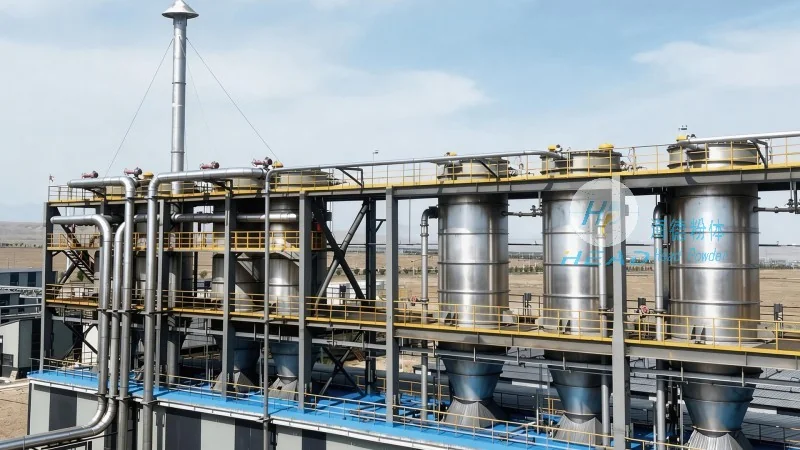
Compared to traditional material handling methods, polypropylene pneumatic conveying offers several advantages. One of the most significant benefits is the reduction in material contamination, as the system is enclosed and uses clean air to transport the material. This is particularly important in industries where product purity is critical, such as food and pharmaceuticals. Another advantage is the lower maintenance requirements, as there are fewer moving parts compared to mechanical conveyors. The system also allows for easy integration with other processing equipment, enabling seamless material flow from storage to production. Furthermore, pneumatic conveying systems can handle a wide range of particle sizes and shapes, making them suitable for diverse applications. The ability to transport materials over long distances without the need for multiple transfer points is another key advantage, as it simplifies the overall material handling process.
Challenges and Mitigation Strategies
While polypropylene pneumatic conveying systems offer many benefits, they also present some challenges that must be addressed during design and operation. One of the main challenges is clogging, which can occur if the air velocity is too low or if the polypropylene particles are too large or irregularly shaped. To mitigate this, designers often incorporate booster units or use larger air compressors to maintain sufficient pressure. Another challenge is the potential for material degradation due to heat or friction, especially in high-speed conveying systems. This can be mitigated by using appropriate materials for the conveying line and controlling the air temperature. Additionally, the system may require regular cleaning and maintenance to prevent the buildup of polypropylene residue, which can affect performance and air quality. Proper training of operators and regular system checks are essential to ensure the long-term reliability and efficiency of the system.
Conclusion: The Importance of Proper Design and Implementation
Polypropylene pneumatic conveying systems are a vital component in modern industrial material handling, offering efficient, clean, and reliable transport of polypropylene materials. The success of these systems depends on a thorough understanding of the design principles, including air velocity, system components, and material characteristics. By carefully considering these factors and selecting the appropriate equipment, industries can achieve optimal performance and meet their operational and safety requirements. As a leading provider of engineering solutions, Shandong HeadPowder Engineering Co., Ltd., based in China, specializes in designing and manufacturing custom polypropylene pneumatic conveying systems tailored to the specific needs of various industries. With years of experience and a commitment to quality, HeadPowder ensures that their systems are not only efficient but also safe and environmentally friendly, helping clients improve their production processes and reduce operational costs.




