When it comes to transporting powdered materials like stone dust or similar fine particulates, pneumatic conveying systems offer a highly efficient and effective solution. This article delves into the concept of powdered stone pneumatic conveying, exploring its fundamental principles and the key design considerations that ensure optimal performance in industrial applications.
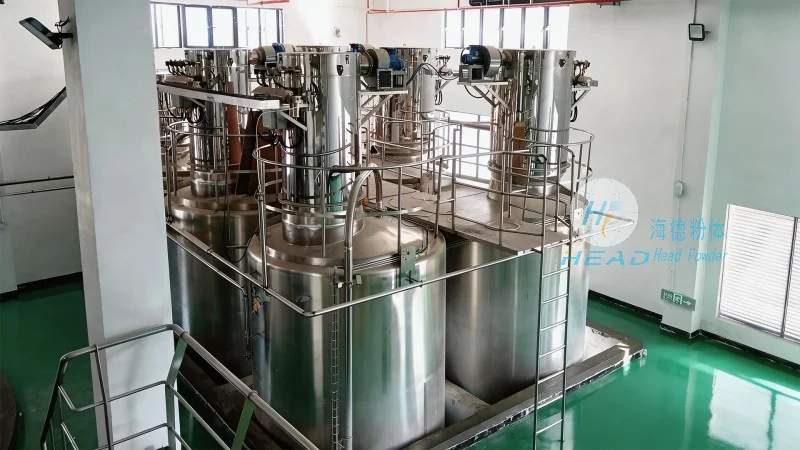
Understanding Pneumatic Conveying Systems
Pneumatic conveying, in the context of powdered stone, involves the use of air or gas to transport solid particles through a pipeline. Unlike traditional mechanical conveying methods, such as belt conveyors or screw conveyors, pneumatic systems rely on the force of compressed air to move material from one location to another. This method is particularly advantageous for handling materials that are dusty, abrasive, or prone to caking, as it minimizes material degradation and reduces the risk of contamination.
Design Principles of Powdered Stone Conveying Systems
The design of a powdered stone pneumatic conveying system is a critical aspect that directly impacts its efficiency, reliability, and operational costs. Several key principles guide the engineering process, ensuring that the system meets the specific requirements of the application. These principles include:
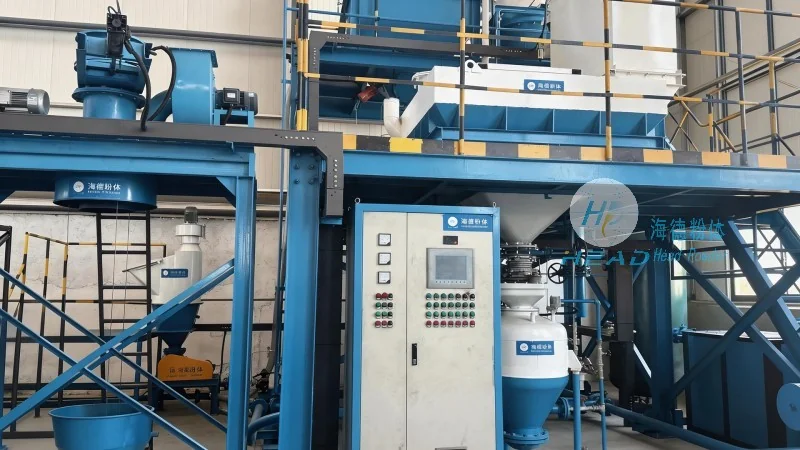
- Material Characteristics Analysis: Understanding the physical properties of the stone powder, such as particle size distribution, density, and moisture content, is essential. These characteristics influence the selection of the conveying velocity, pipeline diameter, and the type of air flow (e.g., dilute-phase or dense-phase).
- Conveying Velocity and Pressure: The velocity of the air and the pressure within the system are critical parameters. Dilute-phase conveying operates at higher velocities and lower pressures, suitable for short distances and low to medium material loads. Dense-phase conveying, on the other hand, uses lower velocities and higher pressures, ideal for longer distances and higher material loads, as it minimizes particle degradation and reduces wear on components.
- Pipeline Sizing and Layout: The diameter and length of the pipeline, along with the number of bends and vertical lifts, are carefully calculated to maintain the required air velocity and pressure. Proper layout minimizes pressure losses and ensures smooth material flow, preventing blockages and ensuring consistent performance.
- Component Selection: Key components like air blowers, filters, cyclones, and material separators are chosen based on the system's capacity and the material's properties. High-quality components are essential to withstand the abrasive nature of stone powder and ensure long-term reliability.
Key Components and Their Roles
A powdered stone pneumatic conveying system comprises several interconnected components, each playing a vital role in the overall operation. The primary components include:
- Air Blower: The heart of the system, the air blower generates the necessary pressure and airflow to move the material. Centrifugal or positive displacement blowers are commonly used, depending on the system's requirements.
- Pipeline: The pipeline, typically made of stainless steel or other corrosion-resistant materials, serves as the conduit for both the air and the material. The choice of material and diameter is critical to prevent wear and ensure efficient flow.
- Feed Hopper: The feed hopper is where the stone powder is introduced into the system. It is designed to minimize material buildup and ensure a consistent feed rate, which is crucial for maintaining system stability.
- Cyclone Separator: The cyclone separator is used to separate the material from the air stream. As the air and material enter the cyclone, the centrifugal force causes the heavier particles to be deposited into a collection bin, while the air is discharged through the top of the separator.
- Filter: The filter removes any fine particles from the exhaust air, preventing dust pollution and ensuring compliance with environmental regulations.
Application Scenarios and Benefits
Powdered stone pneumatic conveying systems are widely used in various industries, including mining, construction, and chemical processing. Some common applications include:
- Stone Processing Plants: In stone processing facilities, these systems are used to transport crushed stone or powder from crushers to storage silos or processing units.
- Construction Material Handling: They are employed in construction sites to move sand, cement, or other powdered materials between different locations, improving efficiency and reducing manual labor.
- Chemical and Pharmaceutical Industries: The systems are also used to handle fine powders in chemical and pharmaceutical applications, where maintaining material purity and preventing contamination is paramount.
The benefits of using pneumatic conveying systems for powdered stone include:
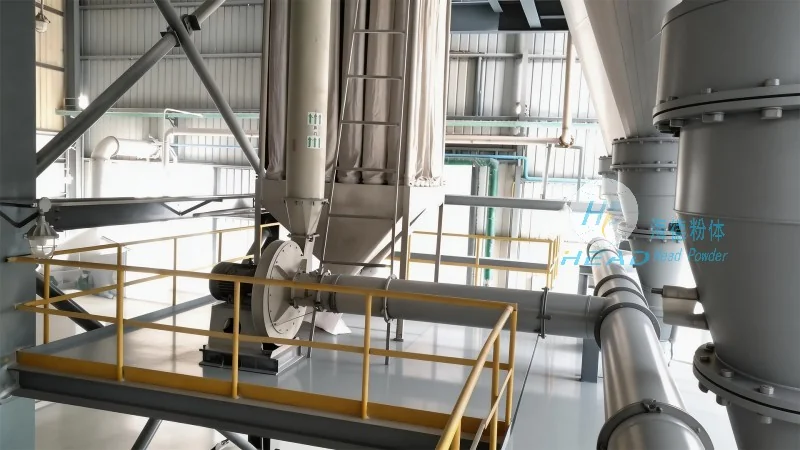
- Efficiency and Speed: Pneumatic systems can transport materials over long distances quickly and efficiently, reducing downtime and increasing productivity.
- Reduced Labor and Maintenance: Compared to traditional mechanical conveyors, pneumatic systems require less manual labor and have lower maintenance costs, as they have fewer moving parts.
- Improved Material Handling: These systems minimize material degradation, caking, and contamination, ensuring that the material remains in its original state throughout the conveying process.
- Flexibility and Adaptability: Pneumatic conveying systems can be easily adapted to different material types and application requirements, making them a versatile solution for various industrial needs.
Company Profile: Shandong HeadPowder Engineering Co., Ltd.
HeadPowder, or Shandong HeadPowder Engineering Co., Ltd., is a leading provider of pneumatic conveying solutions for powdered stone and other industrial materials. With a strong focus on innovation and quality, the company specializes in designing and manufacturing customized pneumatic conveying systems tailored to the specific needs of its clients. HeadPowder's expertise lies in understanding the unique challenges of handling stone powders and developing solutions that enhance operational efficiency and reliability.
HeadPowder is headquartered in Shandong, China, and serves clients worldwide with its advanced technology and comprehensive service offerings. The company's commitment to excellence and customer satisfaction has made it a trusted partner in the industrial sector, providing reliable and efficient pneumatic conveying systems that meet the highest standards of performance and durability.




