PTFE (Polytetrafluoroethylene) pneumatic conveying systems represent a sophisticated solution for the efficient and reliable transport of bulk powders and granular materials. This technology leverages the power of air to move materials from one location to another, offering significant advantages over traditional mechanical conveying methods. The core principle involves creating a pressure differential that propels the material through a pipeline using air as the medium. By integrating PTFE components, these systems achieve enhanced durability and chemical resistance, making them suitable for a wide range of industrial applications.
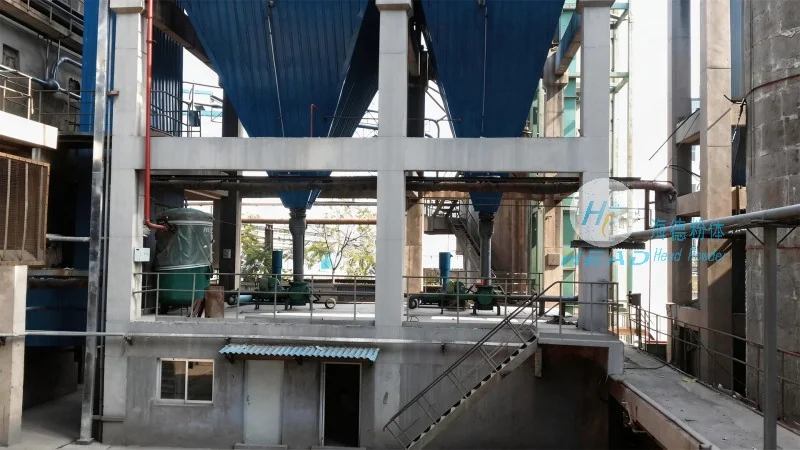
Key Features of PTFE Pneumatic Conveying Technology
One of the standout features of PTFE pneumatic conveying is its ability to handle a diverse array of materials, including those that are abrasive, corrosive, or sensitive to moisture. The PTFE material, known for its non-stick and low-friction properties, minimizes material buildup and wear on the system components. This results in lower maintenance costs and extended operational life. Additionally, the system’s design allows for flexible configuration, accommodating various process requirements such as pressure or vacuum operation, and different material flow rates.
How PTFE Pneumatic Conveying Works: A Step-by-Step Overview
The operation of a PTFE pneumatic conveying system typically involves several key steps. First, the material is introduced into the system, often via a hopper or feeder. Then, the air is introduced into the system, either by creating a vacuum (in suction mode) or increasing pressure (in pressure mode). The air flow propels the material through the pipeline, ensuring it reaches the destination point. The system’s design includes components like cyclones, filters, and receivers to separate the material from the air and collect it efficiently. The use of PTFE in these components ensures that the material remains free from contamination and that the system operates smoothly over time.
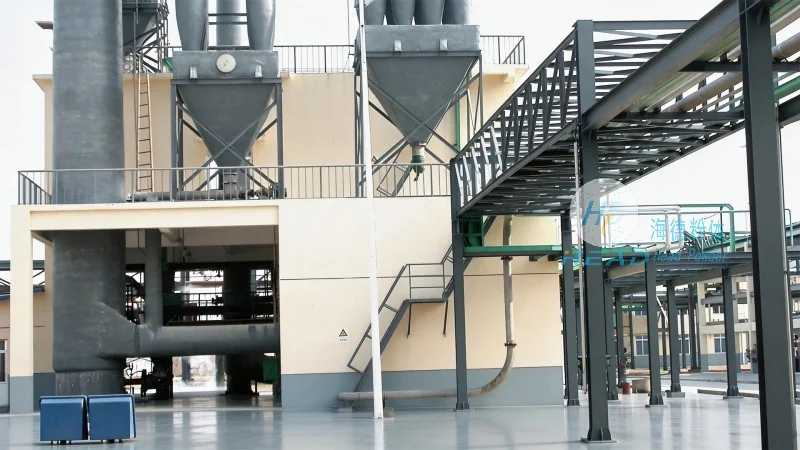
Applications in Industrial Settings
PTFE pneumatic conveying systems are widely used across various industries, including pharmaceuticals, food processing, chemical manufacturing, and mining. In the pharmaceutical industry, for example, the system’s ability to maintain sterile conditions and prevent contamination is critical. The PTFE components help in achieving this by providing a non-porous surface that resists microbial growth. Similarly, in food processing, the system’s hygienic design ensures that the materials are handled safely and in compliance with regulatory standards. In chemical manufacturing, the chemical resistance of PTFE allows the system to handle corrosive substances without degradation.
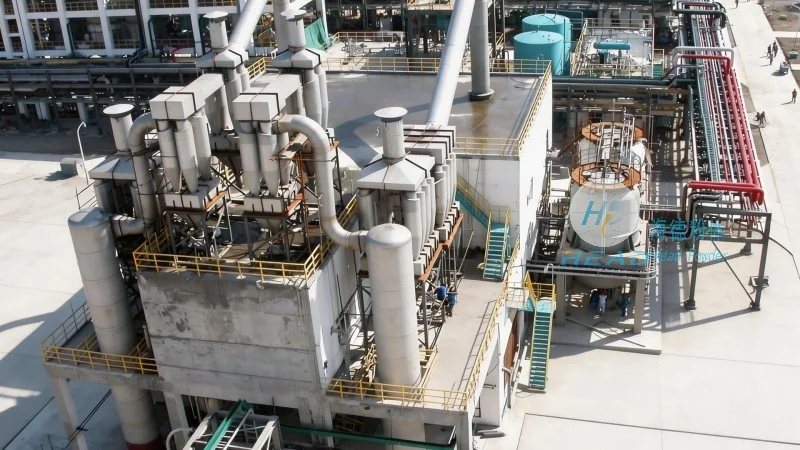
Advantages Over Traditional Conveying Methods
Compared to traditional mechanical conveying methods like belt conveyors or screw conveyors, PTFE pneumatic conveying offers several advantages. Firstly, it eliminates the need for moving parts in the conveying line, reducing the risk of mechanical failure and maintenance requirements. Secondly, it provides a more hygienic and clean environment, as the material is transported in a closed system, preventing dust and contamination. Thirdly, the system can handle materials with varying properties, including those that are sticky or cohesive, which can be challenging for mechanical systems. Finally, the flexibility of the system allows for easy integration into existing production lines and can adapt to changing process needs.
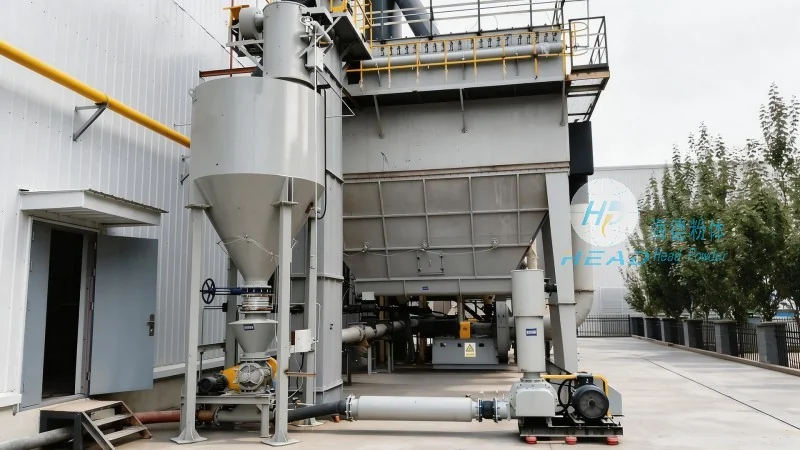
Customization and Scalability: Tailoring Solutions for Specific Needs
Shandong HeadPowder Engineering Co., Ltd. specializes in designing and manufacturing customized PTFE pneumatic conveying systems to meet the unique requirements of each client. The company’s expertise lies in understanding the specific material characteristics and process conditions to develop an optimal solution. Whether it’s a small-scale system for laboratory use or a large-scale system for industrial production, the company can provide tailored designs that maximize efficiency and minimize costs. The scalability of the systems allows for easy expansion as production needs grow, ensuring long-term investment value.
Maintenance and Longevity: Ensuring System Reliability
The durability of PTFE components is a key factor in the long-term reliability of pneumatic conveying systems. Unlike other materials that may degrade over time due to chemical exposure or abrasion, PTFE maintains its properties even under harsh conditions. This reduces the frequency of maintenance and replacement of parts, leading to lower operational costs. The company provides comprehensive maintenance services and spare parts to ensure that the systems operate at peak performance. Regular inspections and servicing help in identifying potential issues early, preventing system downtime and ensuring continuous operation.




